If you’re trying to eat better or make smarter choices at the grocery store, you might have come across Full Circle Market products. Their labels say things like “organic,” “non-GMO,” and “eco-friendly.” Sounds great, right? But there’s a small problem—where do you actually find them?
It’s not as simple as walking into any supermarket. Full Circle Market isn’t available everywhere, and unless you know which stores carry them, you might be wasting time.
So let’s break it down. I’ll walk you through who sells Full Circle Market products, how to spot them, and what to expect.
What Exactly Is Full Circle Market?
Before we get into where to buy, it helps to know what the brand is all about.
Full Circle Market focuses on natural and organic items. Think pantry staples, snacks, frozen fruits, and even cleaning supplies. A lot of people like them because their stuff tends to be affordable but still checks all the boxes for healthy living.
The brand isn’t flashy. You probably won’t see TV commercials or big social media campaigns. Instead, they focus on putting solid, clean products on the shelves of specific grocery stores. Unlike major national brands that rely heavily on product marketing to build awareness, Full Circle Market relies on the quality of its offerings and partnerships with regional grocery chains to reach customers.
Now here’s the thing: you won’t find Full Circle Market products in just any grocery store. They’re tied to a network of regional supermarkets. That’s why this guide is important—once you know the names of the stores, you’ll know where to go.
In contrast to smaller private labels, major brands like Nike show how strategic marketing plays a huge role in product visibility.
Who Sells Full Circle Market Products?
Local Grocery Chains
The brand is distributed through a company called Topco Associates, which works with independent and regional grocery chains around the U.S. That means you’ll mostly find Full Circle Market in supermarkets that belong to this network rather than nationwide retail chains. This distribution approach allows the brand to focus on quality, affordability, and organic or natural product options without the need for big marketing campaigns.
Some of the stores that commonly carry Full Circle Market products include:
- Food Lion
- Giant Food
- Hy-Vee
- Price Chopper
- Shaw’s
- Hannaford
- Coborn’s
- Weis Markets
It’s important to note that not every location will carry the full range of products. Some stores might only stock pantry staples like grains, canned goods, and snacks, while others may also offer frozen foods, plant-based milks, or natural cleaning products. The stock often depends on the size of the store, customer demand, and local distribution agreements.
Tips for Shopping In-Store:
- Call ahead: The easiest way to save time is to call the store before you go. Ask if they carry Full Circle Market and which sections the products are in.
- Check the aisles carefully: Full Circle Market items are usually found in the organic or natural foods section, not necessarily on endcaps or main displays.
- Be flexible: Different stores may carry different product categories. You might find snacks in one location and frozen vegetables in another.
Online Grocery Shopping
If you prefer shopping from home, Full Circle Market products are available through a variety of grocery delivery apps and online platforms. This option is especially convenient if you don’t live near a regional store that carries the brand.
Some platforms where you can find Full Circle Market products include:
- Instacart: Many regional grocery chains partner with Instacart, so you can browse available products and see which stores near you carry them.
- Amazon (very limited): Amazon offers a small selection of Full Circle Market items, but availability may vary.
- Shipt: Shipt also partners with select grocery stores, allowing you to order online and have products delivered to your door.
- Grocery store websites: Some local chains have their own online ordering systems for delivery or curbside pickup. Typing “Full Circle Market” in the search bar can help you quickly find products available at your nearest location.
Tips for Online Shopping:
- Enter your zip code: Product availability often depends on your location, so make sure you provide your zip code to see accurate results.
- Check multiple stores: If one store doesn’t have the products you want, another nearby store on the same platform might.
- Compare prices and delivery fees: Some apps may charge extra for delivery or have minimum order requirements, so check before finalizing your order.
Shopping online can be a great way to access the brand without leaving home, but keep in mind that stock levels can fluctuate, and not all products may be available at all times. Combining online and in-store searches is often the best approach to get the full variety of Full Circle Market products.
What You’ll Usually Find
Not every store location carries the same selection, but there’s a good chance you’ll come across a variety of Full Circle Market products. The brand focuses on providing everyday essentials that are both affordable and healthier alternatives to conventional options.
Some of the most common items include:
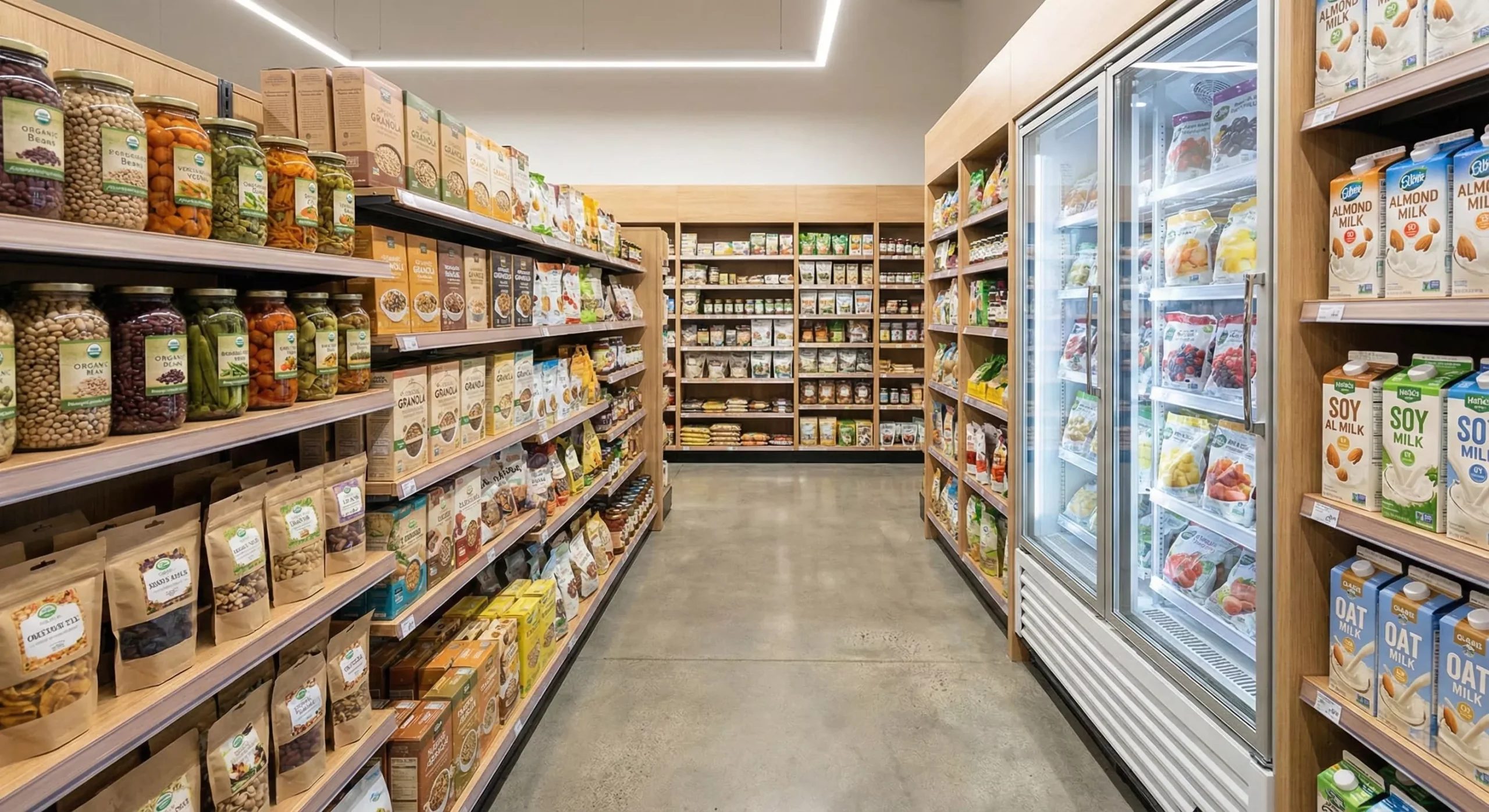
- Organic canned beans and vegetables: Perfect for quick meals, soups, or side dishes, these staples are usually free from preservatives and artificial additives.
- Boxed pasta and whole grains: You can find brown rice, quinoa, whole wheat pasta, and other pantry staples that make it easier to cook wholesome meals at home.
- Snacks like granola bars or chips: Ideal for on-the-go snacking or lunchboxes, these products often use simple, natural ingredients without artificial flavors or colors.
- Frozen fruits and vegetables: A convenient way to get your daily servings of fruits and veggies, these items are usually flash-frozen to preserve nutrients.
- Plant-based milks: Options like almond, oat, or soy milk provide dairy alternatives that are often fortified with vitamins and minerals.
- Natural soaps and cleaning sprays: For those looking to maintain a healthier home environment, these products are eco-friendly, biodegradable, and made without harsh chemicals.
All of these items typically come with clean labels, which means they avoid artificial colors, flavors, and other unnecessary ingredients. Many products also use minimal preservatives, giving you healthier options without breaking the bank.
It’s important to note that Full Circle Market isn’t a flashy or premium brand. You won’t usually see it highlighted in store displays or on endcaps. Instead, the products are often tucked away in the organic, natural, or health-food aisles, so you’ll need to scan the shelves carefully to spot them.
Tips for Finding Products:
- Check the organic section: This is where most of the Full Circle Market items are stocked.
- Look for house-brand shelving: Since Full Circle Market is a private label for certain grocery chains, it may be grouped with other store-branded products.
- Ask store staff: If you’re having trouble finding an item, store employees usually know which aisle carries Full Circle Market products.
By knowing what to expect and where to look, it becomes much easier to find Full Circle Market products and take advantage of their affordable, cleaner alternatives to conventional grocery items.
Why You Won’t Find It Everywhere
Here’s the thing about Full Circle Market: it’s a private label. That means it’s kind of like a house brand specifically created for certain grocery chains, rather than a national brand sold everywhere. Because of this, availability is limited to stores within the networks that partner with the brand.
That’s also why big stores like Target, Kroger, or Whole Foods don’t carry it. They already have their own private-label organic brands, and Full Circle Market simply isn’t part of their supply chain. So if you walk into one of these stores looking for Full Circle Market, you’re going to walk out empty-handed.
Pro Tips for Finding It
Even though it’s not available everywhere, there are strategies to track down Full Circle Market products efficiently:
- Use the grocery store’s search tool: Many chains, like Hy-Vee or Food Lion, have search bars on their websites. Typing in “Full Circle Market” can show which items are available at your nearest location. Some stores even allow you to check aisle locations online.
- Ask store staff: Seriously. Employees often know the stock better than any website. If they don’t carry a product, they might suggest a similar alternative or tell you when it will be restocked.
- Be flexible with product types: Not every location will have the full range. You might find pantry items like beans and pasta but not frozen fruits or plant-based milks. Knowing what’s typically stocked can save frustration.
- Combine in-store and online searches: Some items may be easier to order online through Instacart, Shipt, or the store’s own delivery service if your local location has limited inventory.
Is It Worth Hunting Down?
Honestly? Yes. If you care about eating clean but don’t want to spend a fortune, Full Circle Market is a solid middle-ground. You’re not paying the premium prices of high-end organic brands, but you’re still getting organic or minimally processed options that are comparable in quality to more expensive alternatives.
The taste and quality are generally on par with higher-end brands, making it easy to incorporate these products into everyday meals without sacrificing flavor or nutrition. Whether it’s canned beans, whole grains, snacks, or plant-based milks, the products are designed to be practical, wholesome, and accessible.
Another bonus is the environmental aspect. Many Full Circle Market items come in packaging made from recycled materials, which makes your shopping choices more eco-conscious without extra cost or effort.
Practical Takeaways:
- A little effort in checking which stores carry the brand—or using online delivery options—can go a long way.
- Combining in-store and online shopping ensures you get the products you want, even if your local store has limited stock.
- Over time, these small choices can add up to a healthier diet, reduced exposure to artificial ingredients, and a smaller environmental footprint.
In short, Full Circle Market is worth the hunt if you want affordable, clean, and eco-friendly grocery options that fit seamlessly into your daily routine.
Final Thoughts
So, to answer the question clearly: Who sells Full Circle Market products? You’ll find them in regional grocery chains like Hy-Vee, Food Lion, and Giant, as well as through apps like Instacart and Shipt.
They’re not everywhere—but once you know where to look, they’re easy to find. And with their growing popularity, more stores might start adding their products to the shelves.
The key is knowing your local stores. If you’re lucky enough to live near one of the retailers mentioned, you’ve got access to an affordable, reliable, and better-for-you product line that fits right into daily life.
FAQ – Full Circle Market Products
1. What stores sell Full Circle Market products?
Full Circle Market is a private label available mainly in regional grocery chains that partner with Topco Associates. Common stores include: Food Lion, Giant Food, Hy-Vee, Price Chopper, Shaw’s, Hannaford, Coborn’s, and Weis Markets. Availability varies by location.
2. Can I buy Full Circle Market products online?
Yes! Some items are available through grocery delivery apps like Instacart, Shipt, and select store websites. Amazon offers a limited selection as well. Enter your zip code to check availability near you.
3. Why don’t I see Full Circle Market in big stores like Target or Kroger?
Full Circle Market is a private label for specific grocery chains, not a national brand. Big retailers typically have their own organic or house brands, so Full Circle Market isn’t stocked there.
4. What types of products does Full Circle Market offer?
You’ll usually find pantry staples (canned beans, pasta, grains), snacks (granola bars, chips), frozen fruits and vegetables, plant-based milks, and natural cleaning products. All items generally have clean labels with minimal preservatives.
5. Are Full Circle Market products high-quality?
Yes. The taste and quality are comparable to more expensive organic brands. Many products also come in recycled packaging, making them eco-friendly.
6. How can I find the full range of products at my local store?
- Use the store’s online search tool.
- Ask store staff for guidance.
- Be flexible—some locations may only carry certain product types.
7. Is it worth hunting down Full Circle Market products?
Absolutely. If you want affordable, clean, and eco-conscious grocery options, the effort to find these products is worthwhile. They offer a good balance between quality, price, and environmental responsibility.
8. Are Full Circle Market products organic and non-GMO?
Yes, most Full Circle Market items are labeled organic, non-GMO, and eco-friendly, making them a healthier alternative to conventional grocery products. However, always check the packaging to confirm, as certifications may vary by product.
9. Do all stores carry the same Full Circle Market items?
No. Product availability can differ by store location, size, and regional demand. Some stores may focus on pantry staples, while others carry frozen foods, plant-based milks, or cleaning products.
10. Can I use Full Circle Market products for meal prep or cooking in bulk?
Absolutely! Many items, like canned beans, grains, pasta, and frozen vegetables, are ideal for meal prepping, batch cooking, and creating healthy weekly menus. Their clean labels make them a convenient and nutritious choice.
Learn more about: The Role of SEO in Product Marketing Content