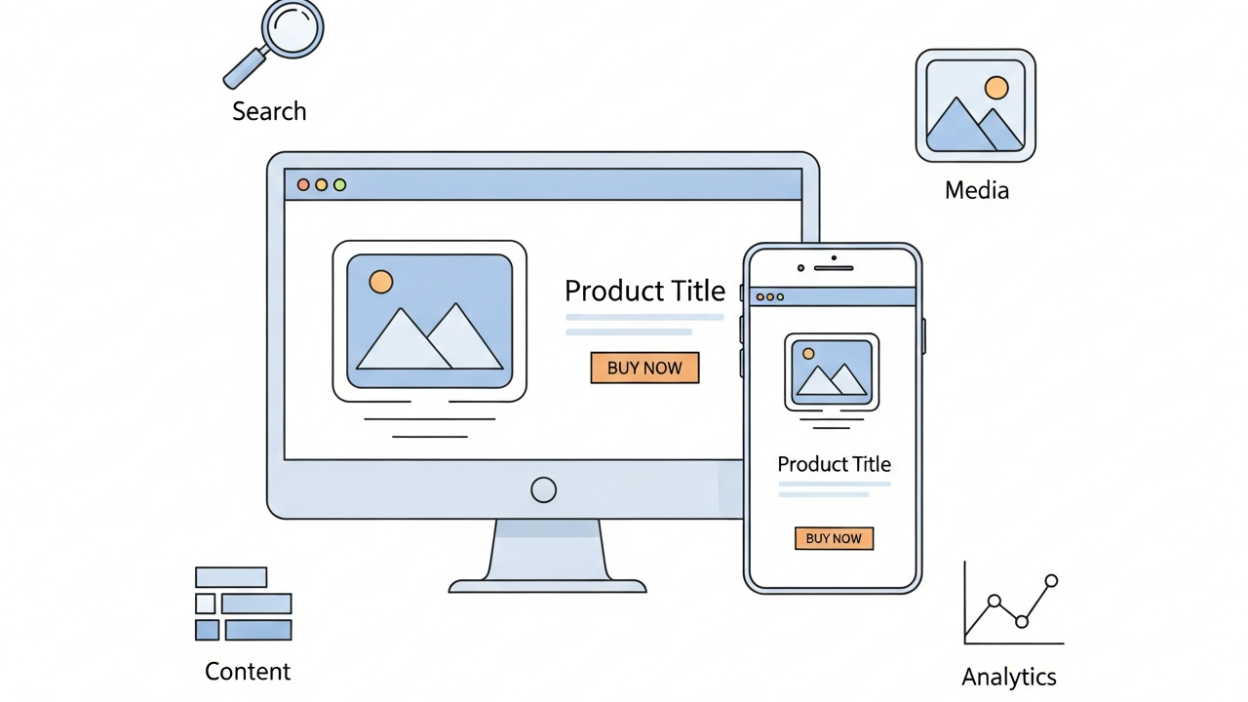
SEO is essential for product marketing, ensuring content is discoverable, relevant, and trustworthy. By aligning product pages with user intent, optimizing structure, multimedia, and mobile experience, and leveraging analytics, brands drive visibility, engagement, conversions, and long-term customer trust.
Product marketing is no longer just about crafting a catchy headline or creating beautiful visuals. In today’s competitive digital landscape, your content needs to be seen and discovered before it can be appreciated or drive results. That’s where SEO (Search Engine Optimization) comes in—a critical tool that determines how your product content performs online and whether it reaches the right audience at the right time.
A strong SEO strategy ensures that your product descriptions, landing pages, and other marketing content don’t get lost in the vast sea of digital information. Without it, even the most compelling content risks fading into obscurity, missing opportunities to engage potential customers, generate leads, and drive conversions. By integrating SEO into your product marketing from the start, you create a framework for visibility, relevance, and long-term success in a crowded marketplace.
Why SEO and Product Marketing Must Work Together
SEO isn’t an add-on to your product marketing. It’s a core part of it.
When marketing content is created with SEO in mind from the beginning, it has a much better chance of reaching the right audience. That means more views, more interest, and more conversions.
It’s not just about keywords anymore. It’s about understanding your audience, knowing how they search, and crafting content that serves both them and the algorithms that deliver your content to their screens.
Understanding who owns the factors of production in a market economy can add valuable context when marketing products based on supply-driven content strategies.
SEO Helps Customers Find Your Product at the Right Time
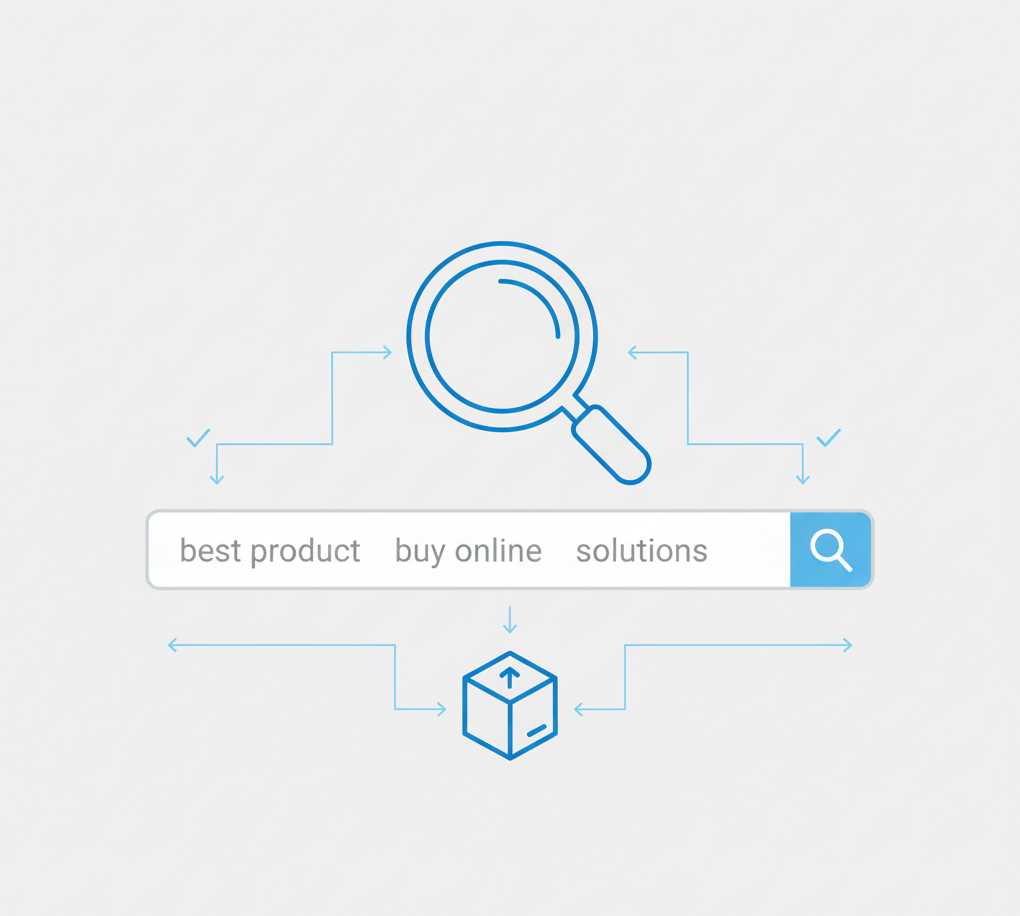
Think about the way people shop online.
They open a search engine and type in something they need. Maybe it’s a specific feature, a solution to a problem, or a product category. If your product marketing content isn’t optimized for those search queries, you’re invisible at that moment.
That moment is everything.
SEO allows your product content to appear when potential customers are actively searching. That’s a powerful advantage — it means you’re catching people at the peak of their intent.
Targeted Traffic Means Better Results
SEO-driven product content brings in targeted traffic. These are not random visitors. These are people who are actively looking for something related to what you offer.
The difference in conversion rates between targeted and general traffic is often dramatic.
If you’re not using SEO to align with user intent, you’re leaving potential sales on the table.
Content Structure Matters for SEO and Users
Good product content isn’t just about words. It’s about structure, clarity, and flow.
Search engines look for well-organized, scannable content. But more importantly, users do too.
By using clear headers, breaking up text, and focusing on readability, you’re improving the experience for both search engines and your audience. And that improves your rankings.
Headlines Should Serve Search and Story
Each header in your content serves two jobs.
First, it tells the search engine what this section is about. Second, it guides the reader through the page. A logical structure using H1, H2, and H3 tags creates a roadmap, making the content easier to follow.
Poor structure can cause users to click away — and high bounce rates tell search engines your page isn’t useful.
SEO helps prevent that by keeping your content organized and digestible.
Leveraging Multimedia for SEO-Driven Product Marketing
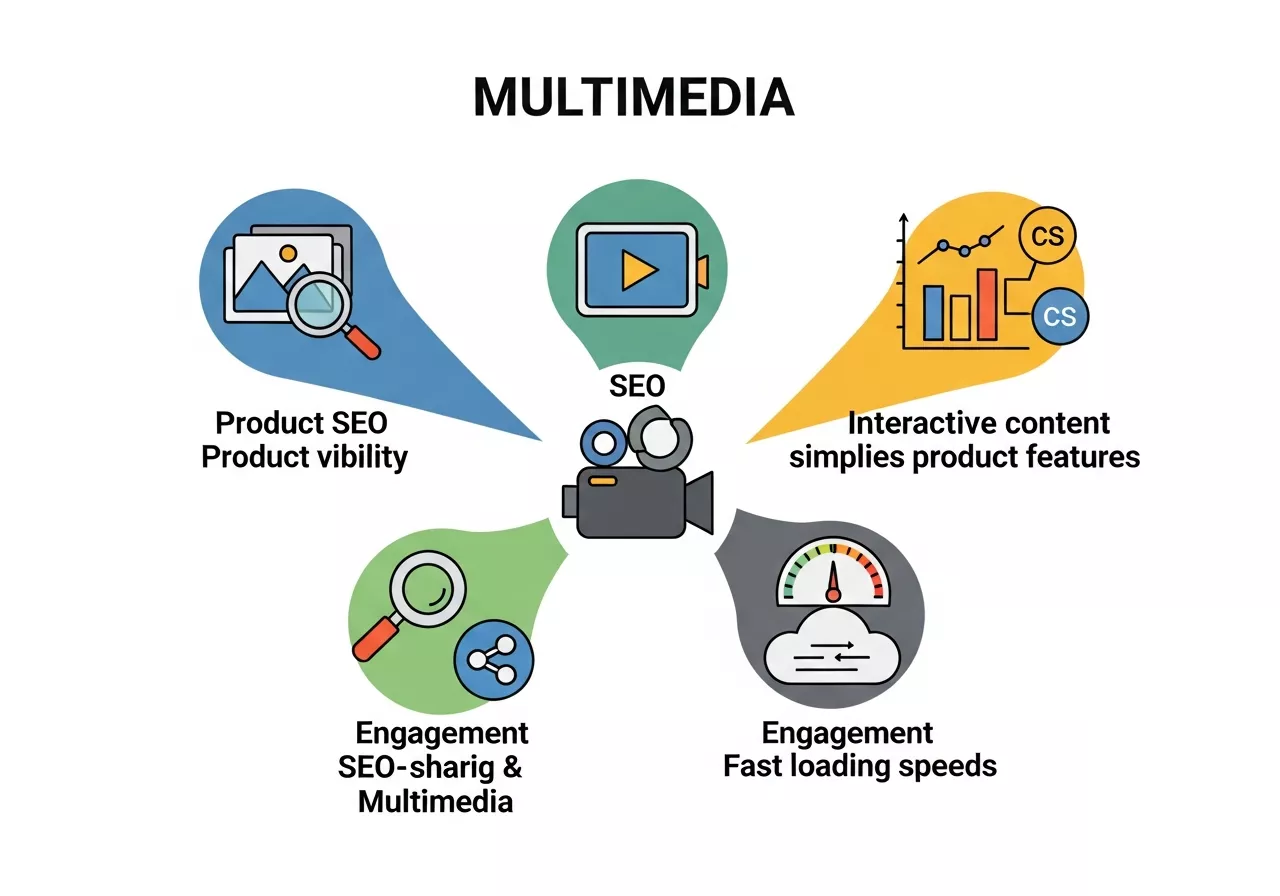
In today’s digital marketplace, users expect more than text—they want rich, engaging experiences. Multimedia elements like images, videos, and interactive graphics not only capture attention but also enhance SEO performance. Search engines prioritize content that engages users, and multimedia increases dwell time, reduces bounce rates, and encourages sharing.
High-quality product images with descriptive alt text help search engines understand your offerings and improve visibility in image search results. Videos, such as tutorials, demos, and unboxing clips, can increase user engagement significantly. According to research, pages with videos can improve conversion rates by up to 80%. Additionally, interactive infographics can simplify complex product features and make them more shareable across social media, generating backlinks that improve domain authority.
Actionable Tips for Multimedia SEO:
- Use alt text for images that includes relevant product keywords naturally.
- Host videos on YouTube or Vimeo and embed them on your product pages to boost search visibility.
- Include interactive infographics to highlight product benefits, specifications, or comparison charts.
- Implement lazy loading for images and videos to ensure fast page speed without sacrificing engagement.
Example: A tech brand selling smart home devices can include a video tutorial showing installation, an infographic comparing devices, and optimized images of each product to increase both search ranking and user engagement.
Keywords Still Matter — But Context is Key
Stuffing product pages with keywords is outdated and harmful.
What works now is context-rich, naturally written content that uses keywords with intent. Instead of forcing phrases into every sentence, use them where they make sense and where they match what people are truly searching for.
Search engines now look at the overall meaning of your content, not just isolated keywords. This is where content optimization plays a crucial role — ensuring that every element of your product marketing content, from headlines to metadata, works together to enhance relevance and visibility.
So if you’re writing about a laptop with a long battery life, your content should reflect that benefit clearly — not just repeat the phrase over and over.
Matching User Queries is a Strategic Advantage
Understanding what people search for allows you to position your product as the answer.
Use long-tail keywords, common product-related questions, and solution-based phrases. Align your content with what people are typing into search bars. That’s how you become relevant.
And relevance, in SEO, is everything.
SEO Enhances Product Page Trust and Authority
Search engines reward content that looks credible and useful. When your product marketing content is well-structured, backed with data, and links to other valuable sources, it earns more trust.
And trust leads to higher rankings.
This is especially true for product pages that contain customer reviews, detailed specifications, and well-written benefits. All of this adds depth and keeps users engaged.
The longer people stay on your page, the better it performs in search.
Internal Linking Creates a Stronger Ecosystem
Another critical role of SEO is linking.
When your product content links to relevant blog posts, guides, or other products, it tells search engines that your site has depth. This internal linking also keeps users browsing longer.
That’s good for SEO and good for conversions.
Using Schema Markup and Rich Snippets to Enhance Product Pages
Structured data is essential for modern SEO because it helps search engines interpret content accurately and display rich snippets in SERPs. For product marketing, schema markup provides detailed information about your products, such as price, availability, ratings, reviews, and offers, which can attract clicks and boost conversions.
Rich snippets make your listings stand out in crowded search results. For example, displaying a star rating, price, or limited-time offer directly in search results increases the likelihood of clicks from qualified buyers. Beyond visibility, structured data improves internal site navigation and allows search engines to understand relationships between products, categories, and reviews, enhancing overall site authority.
Benefits of Schema for Product Marketing:
| Feature | Description | SEO & User Impact |
|---|---|---|
| Product Name & SKU | Identifies the product | Improves search relevance and indexing |
| Ratings & Reviews | Shows stars and the number of reviews | Builds credibility and improves CTR |
| Price & Availability | Displays current pricing & stock status | Attracts buyers ready to purchase |
| Offers & Promotions | Highlights deals or discounts | Creates urgency, boosts conversions |
| Video & Image Markup | Embeds rich media into search results | Enhances engagement and visibility |
Best Practices:
- Use Google’s Rich Results Test to validate schema markup.
- Update schema regularly to reflect price changes, stock updates, or promotions.
- Combine schema with structured internal linking to strengthen site authority.
Example: An e-commerce clothing retailer can implement a product schema for seasonal collections, including ratings, price, stock levels, and promotional offers. When a searcher queries “women’s winter coats under $150,” rich snippets improve visibility and click-through rate.
Mobile Optimization is Now Non-Negotiable

If your product content isn’t mobile-optimized, it’s already failing in the eyes of search engines.
Most people now browse and shop from mobile devices. If your content is hard to read, slow to load, or difficult to navigate on mobile, users will bounce.
Google and other search engines notice.
SEO ensures your content is designed for mobile-first consumption. It makes sure buttons are tap-friendly, text is easy to read, and images are compressed but clear.
Speed and UX are Part of the SEO Equation
Page speed, layout shifts, and usability now directly affect search rankings.
This ties back to product marketing because every second matters. If your page doesn’t load fast, potential customers might leave before they ever see your offer.
SEO ensures that your product marketing content isn’t just persuasive — it’s accessible and fast.
Analytics and SEO Insights Drive Smarter Decisions
One often overlooked role of SEO in product marketing is how it improves decision-making.
When you optimize for search, you get access to valuable data: what keywords bring traffic, what pages convert best, and where people drop off.
This feedback helps you refine future content and update existing pages to perform better. It can also guide you in developing new digital product ideas based on trending search behavior and audience demand, ensuring your offerings align with what people are actively looking for.
It’s a continuous cycle of improvement — and SEO is the engine that drives it.
Competitive SEO Analysis for Product Marketing Content
Understanding your competitors’ SEO strategies is crucial to outperforming them. A robust competitive analysis involves studying their content structure, keyword targeting, backlinks, and engagement metrics. By learning what works for others in your niche, you can identify gaps in your own content and develop strategies to capture market share.
Start by identifying top competitors for your product category using search engines, SEMrush, or Ahrefs. Analyze the keywords they target, noting long-tail variations and semantic phrases. Examine their content structure: how they use headings, multimedia, internal linking, and calls to action. Pay attention to user engagement metrics like time on page and social shares.
Backlinks are another critical factor. Identify authoritative sites linking to competitors and explore opportunities for your own brand, whether through guest posting, partnerships, or PR campaigns. Benchmark their performance in terms of page speed, mobile optimization, and usability—areas that directly impact rankings and conversions.
Actionable Steps for Competitive Analysis:
- Keyword Gap Analysis: Identify search queries competitors rank for that you don’t.
- Content Structure Review: Study headings, multimedia use, and internal linking for optimization ideas.
- Backlink Audit: Map competitors’ high-authority backlinks and replicate opportunities.
- UX & Mobile Analysis: Compare site speed, responsiveness, and navigation flow.
- Performance Benchmarking: Track rankings, organic traffic, and engagement metrics to measure potential improvements.
Example: A software company selling project management tools might notice a competitor ranking high for “agile project management software” due to detailed guides, tutorials, and case studies. By creating optimized, richer content with better visuals, FAQs, and internal links, they can compete effectively for those same search terms.
Final Thoughts: SEO Makes Product Marketing Scalable
Without SEO, your product content is like a billboard in the middle of the ocean — beautiful, but unseen.
SEO gives it placement, timing, and audience.
By aligning your product marketing strategy with smart SEO practices, you’re not just writing for today. You’re building long-term visibility, trust, and authority.
The role of SEO in product marketing content is not optional anymore. It’s essential, strategic, and transformative.
FAQs: SEO in Product Marketing Content
1. Why is SEO important for product marketing?
SEO ensures your product content is discoverable by search engines and reaches potential customers when they’re actively searching, increasing visibility, engagement, and conversions.
2. How does SEO improve product page performance?
SEO enhances content structure, readability, and relevance, incorporates keywords naturally, optimizes for mobile, and improves trust signals like reviews and internal links, boosting rankings and user experience.
3. Can multimedia content impact SEO for product marketing?
Yes. Images, videos, and infographics improve engagement, reduce bounce rates, and provide additional context for search engines, increasing visibility and relevance.
4. What role does user intent play in SEO for product content?
Understanding user intent helps you create content that matches what potential customers are searching for, improving relevance, conversions, and overall SEO performance.
5. How do analytics help optimize product marketing content?
Analytics reveal which keywords, pages, and content formats drive traffic and conversions, allowing marketers to refine strategies, enhance underperforming content, and align with audience behavior.
6. Is mobile optimization essential for product SEO?
Absolutely. With most users browsing and shopping on mobile devices, fast-loading, mobile-friendly content is critical for rankings and user engagement.
7. How can internal linking benefit product marketing SEO?
Internal linking connects related content, distributes page authority, keeps users engaged longer, and signals content depth to search engines, improving both SEO and conversions.
8. How often should I update my product marketing content for SEO?
Regular updates are recommended—refreshing product details, adding new keywords, and updating multimedia ensures content remains relevant, authoritative, and aligned with search trends.
Learn more about: How Will Your Product Reach Your Customers? A Strategic Guide