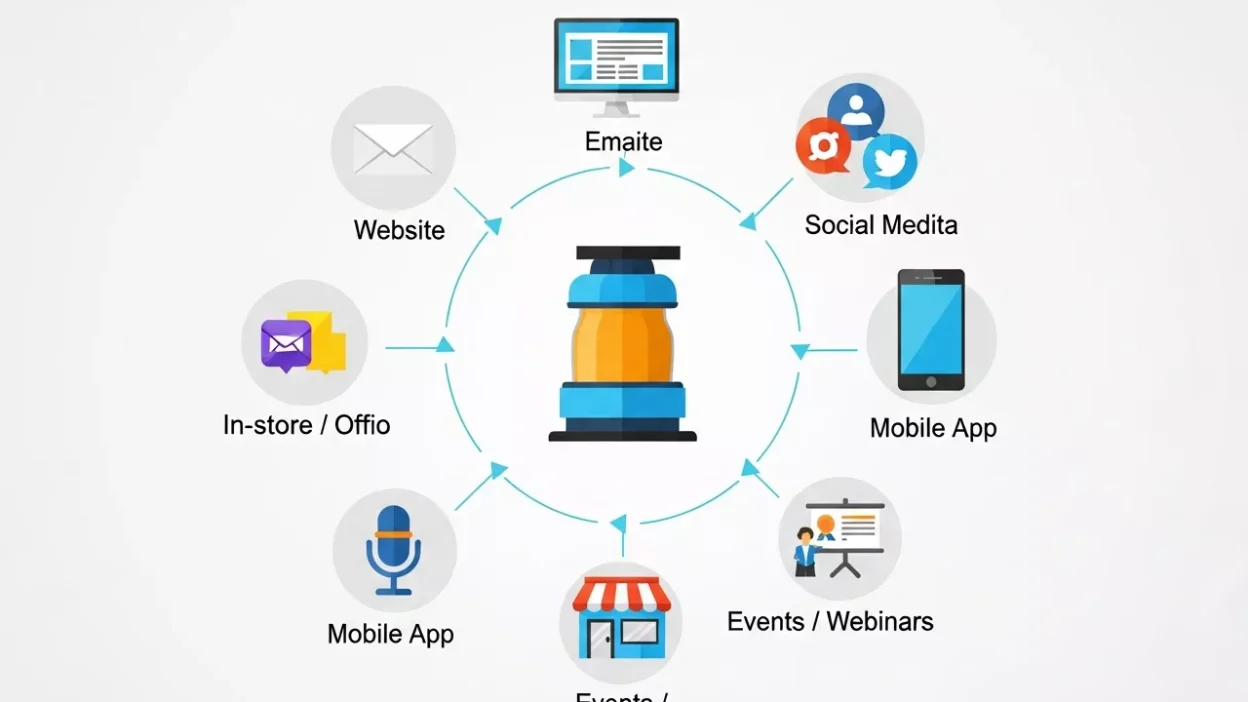
In today’s hyper-connected world, customers move seamlessly between online stores, social media, email, and even in-person events during their purchasing journey. To capture attention and drive sales, brands must meet customers wherever they are—with a consistent, integrated promotion strategy. This guide walks you through every step of building a powerful omni-channel product promotion plan designed to boost awareness, engagement, and conversions. We’ll explore the key channels to include, tactics to deliver a unified experience, essential technology tools, and methods to measure and optimize your efforts over time.
Understanding Omni-Channel Product Promotion
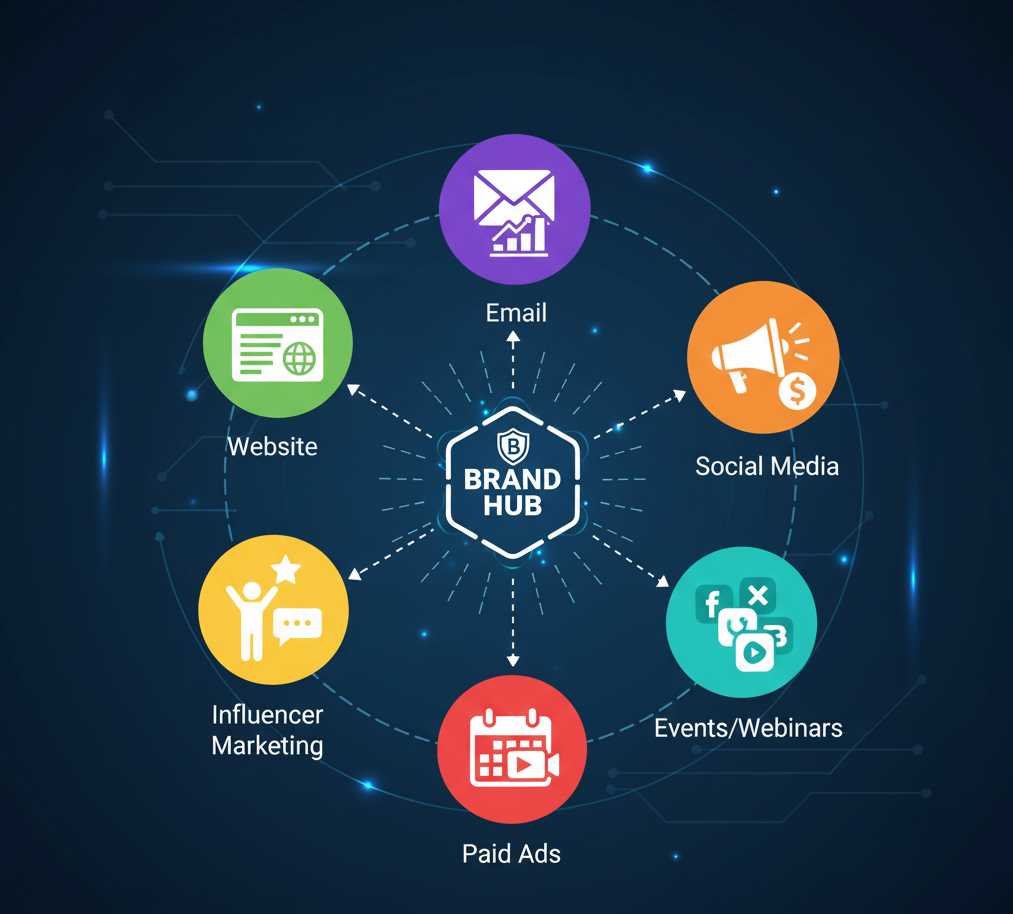
Omni-channel promotion means presenting a cohesive brand message across all customer touchpoints—your website, social media, email newsletters, paid ads, offline events, and more. Unlike multi-channel approaches that treat each channel separately, omni-channel connects them, ensuring customers enjoy a smooth, consistent journey. When done right, it drives higher engagement, builds trust, and shortens the time to purchase.
Key benefits include:
- Unified Customer Experience: Customers receive the same branding, offers, and support at every step.
- Increased Reach and Visibility: Multiple channels working in harmony amplify your message.
- Improved Data Insights: Centralized tracking reveals how each channel influences customer behavior.
- Higher Conversion Rates: Consistency reduces friction and builds confidence to buy.
Key Channels to Include in Your Strategy
1. Website & SEO
Your website is the hub of all promotion efforts. Optimize for search engines to attract organic traffic—focus on technical SEO (site speed, mobile responsiveness), on-page SEO (relevant keywords, meta tags, structured data), and high-quality content that addresses customer pain points. Ensure product pages feature clear calls to action, compelling visuals, and social proof like reviews or testimonials.
2. Email Marketing
Email marketing remains one of the highest-ROI channels for product promotion. Segment your list based on behaviors (abandoned carts, repeat purchasers, new subscribers) and send personalized content—product recommendations, exclusive promotions, restock alerts. Automate workflows for welcome series, win-back campaigns, and post-purchase follow-ups to nurture prospects and retain customers. By leveraging email marketing alongside other outreach channels, you can maximize engagement and drive consistent revenue growth.
3. Social Media Marketing
Use platforms where your target audience spends time. Create a content calendar that balances product showcases, user-generated content, how-to videos, and behind-the-scenes posts. Leverage Stories and Reels for short-form impact, and interactive features like polls or Q&A to foster engagement. Paid social ads can amplify reach—use lookalike or retargeting audiences to drive conversions.
4. Paid Advertising
Paid search and display ads are essential for capturing high-intent buyers. Invest in Google Ads to target keywords related to your product, and consider shopping ads for direct product listings. On social platforms, run carousel ads, collection ads, or dynamic product ads to showcase your catalog. Monitor cost-per-click (CPC) and return on ad spend (ROAS) to allocate budget effectively.
5. Influencer Marketing
Partner with micro- or macro-influencers whose audience aligns with your brand. Authentic recommendations drive trust and awareness. Provide them with sample products, exclusive discount codes, or affiliate links. Track performance metrics like engagement rate, referral traffic, and coupon redemptions to measure ROI.
6. Events & Webinars
Real-world or virtual events create personal connections and product demonstrations. Host webinars to showcase new features, run live Q&A sessions, or exhibit at trade shows. Collect attendee data for follow-up emails, surveys, and special offers to convert interest into sales.
Integrating Offline and Online Promotion
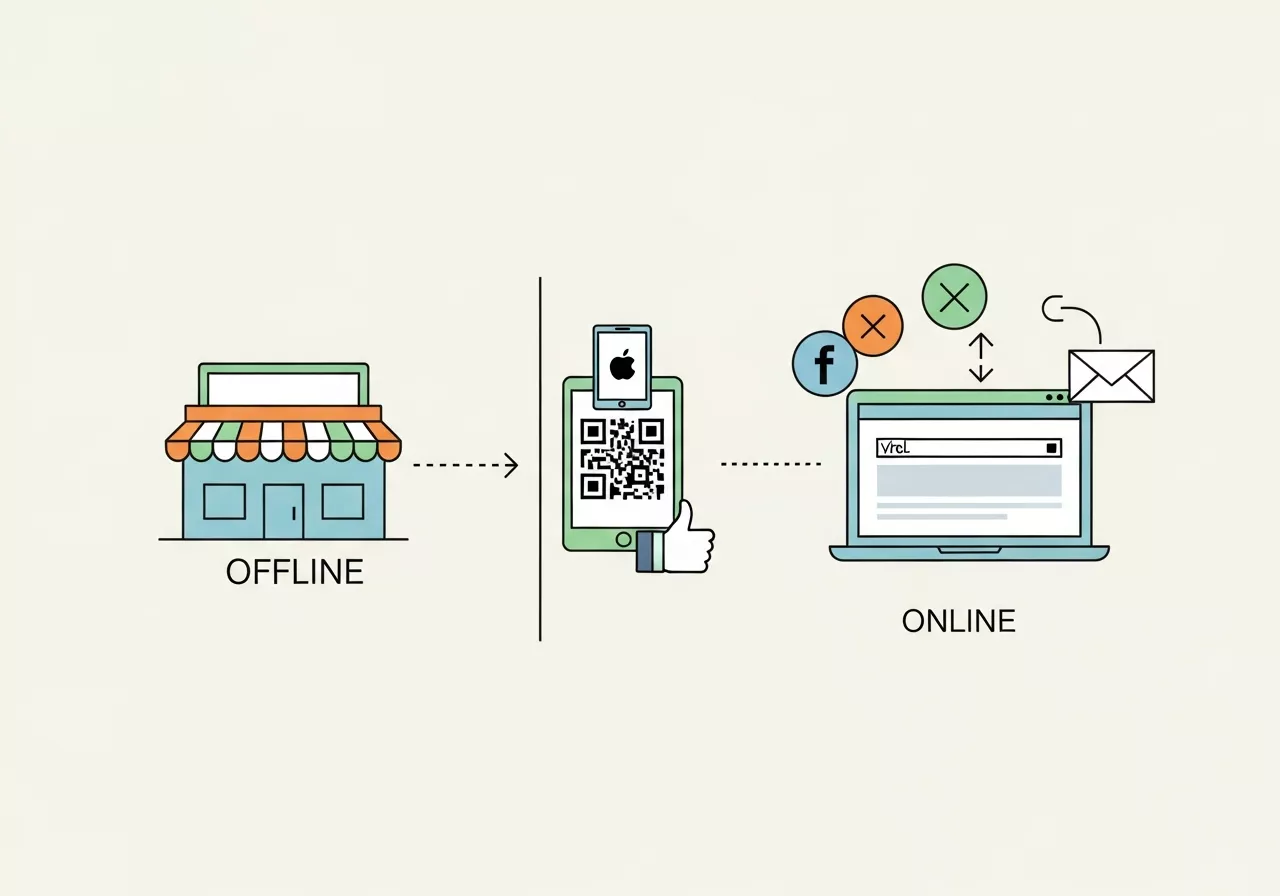
Omni-channel success requires bridging online and offline experiences. Physical touchpoints, such as retail stores, events, or pop-up shops, should complement digital channels.
Best Practices for Integration:
- Consistent Branding: Ensure offline visuals, messaging, and offers match your online presence.
- Data Capture: Collect emails, phone numbers, or loyalty program sign-ups at events to drive digital campaigns.
- Event Promotion Online: Use social media, email, and website banners to invite audiences to in-person or virtual events.
- In-Store Engagement: QR codes, mobile apps, or kiosks can guide offline customers to online content, reviews, or exclusive promotions.
Benefits:
- Strengthens brand recall and trust.
- Encourages multi-touch conversions.
- Provides richer data for retargeting campaigns.
A table could be used to show Offline vs Online Integration Tactics with examples and expected outcomes.
| Offline Touchpoint | Online Integration | Expected Result |
|---|---|---|
| In-store event | Promote via social media + email | Increased attendance & online engagement |
| Pop-up shop | QR code linking to product page | Boost online traffic & conversions |
| Trade show | Collect emails for follow-up | Higher email campaign ROI |
Building a Seamless Customer Experience
Integration is the heart of omni-channel success. Ensure your messaging, visuals, and offers remain consistent across channels. Use a unified brand voice, color palette, and tagline. Centralize customer data in a CRM so marketing, sales, and support teams share insights. This prevents mixed messages and allows each department to deliver personalized, timely interactions.
Customer journey mapping helps you identify key touchpoints and pain points. Create scenario-based maps—for example, a first-time visitor who sees a social ad, visits your site, abandons the cart, and then clicks an email reminder. Design workflows to guide them smoothly from discovery to purchase, reducing drop-offs at each stage.
Personalization Strategies Across Channels
Personalization is key to making omni-channel promotions relevant and engaging. Tailoring messaging based on customer behavior, preferences, and purchase history creates a more meaningful experience, increases conversions, and strengthens loyalty.
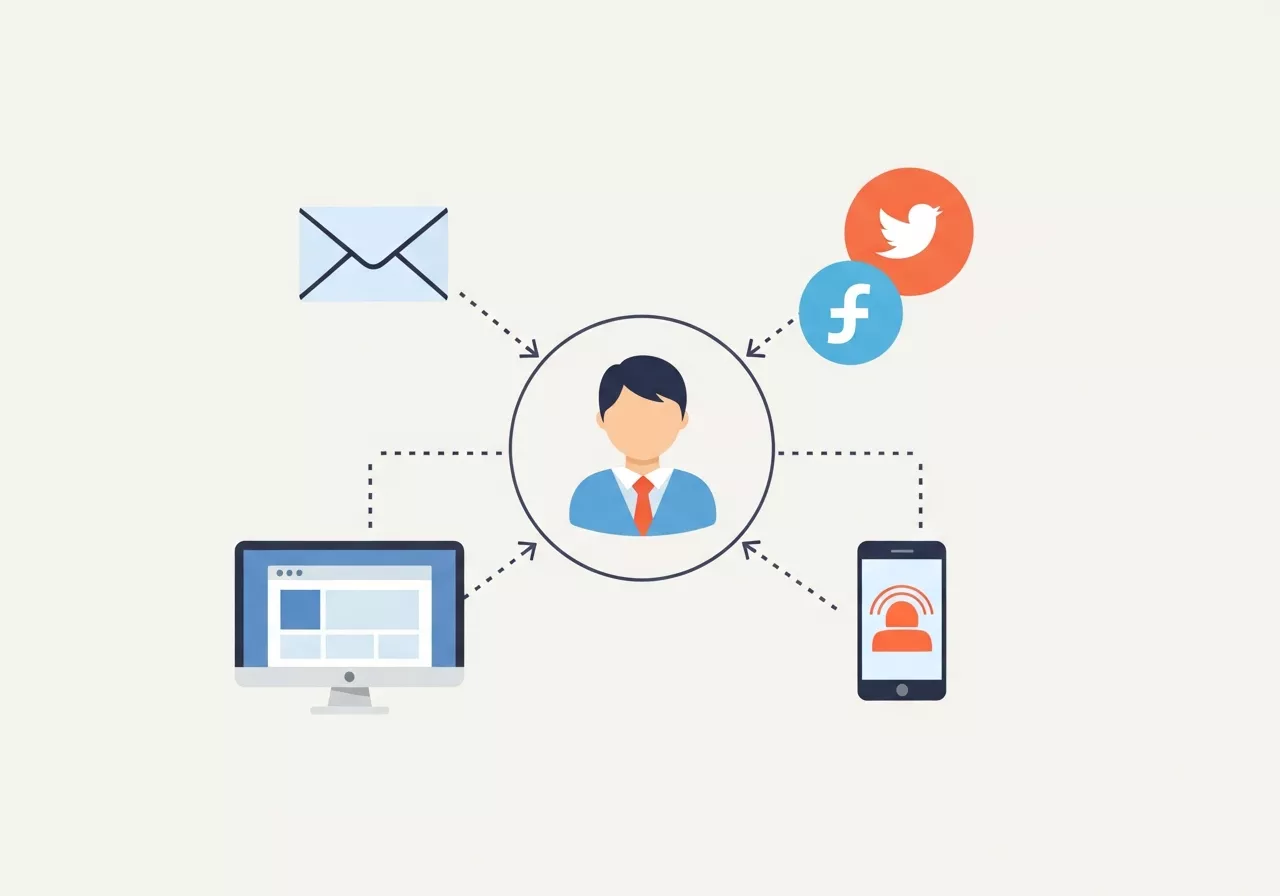
Key Approaches to Personalization:
- Behavior-Based Recommendations: Use browsing history, past purchases, and abandoned carts to suggest relevant products.
- Dynamic Content: Adjust website banners, email content, and ad creatives based on the visitor’s interests or demographic.
- Segmentation: Divide your audience into meaningful segments (e.g., new vs. returning customers, high-value buyers) to deliver targeted promotions.
- Cross-Channel Personalization: Ensure recommendations are consistent across email, social, website, and in-app notifications.
Table Suggestion: A table could be included here to show Examples of Personalized Messaging by Channel, for instance:
| Channel | Personalization Example | Expected Outcome |
|---|---|---|
| Product recommendation based on previous purchase | Higher CTR and repeat purchases | |
| Social Ads | Retargeting ad showing products recently viewed | Increased conversions |
| Website | Personalized homepage banners | Longer site engagement |
| Push Notifications | Time-sensitive offers based on location | Higher immediate sales |
Leveraging Technology and Tools
The right tech stack empowers you to automate, personalize, and measure promotional campaigns at scale. Consider:
- Customer Relationship Management (CRM) platform to centralize contacts, track interactions, and automate outreach.
- Marketing Automation software for email workflows, lead scoring, and campaign orchestration.
- Analytics tools (Google Analytics, BI dashboards) to monitor traffic sources, conversion funnels, and channel performance.
- Content Management System (CMS) for rapid page creation and A/B testing.
- Social Media Management platforms to schedule posts, engage with comments, and report on metrics across networks.
- Ad Management tools for centralized budget allocation, creative testing, and bid optimization.
Integrations between these systems are crucial. For instance, connect your e-commerce platform with your CRM to trigger automated post-purchase emails or loyalty incentives. Link your ad manager to your analytics suite to attribute conversions accurately across channels.
Measuring Success and Optimizing
Key Performance Indicators (KPIs) for omni-channel promotion include:
- Overall Revenue and Revenue by Channel
- Conversion Rate and Funnel Drop-Offs
- Customer Acquisition Cost (CAC)
- Customer Lifetime Value (CLV)
- Return on Ad Spend (ROAS)
- Engagement Metrics (open rates, click-through rates, social interactions)
Regularly audit your campaigns: compare performance month over month, identify high- and low-performing channels, and reallocate budget accordingly. Run A/B tests on subject lines, ad creatives, landing pages, and call-to-action placements. Use cohort analysis to understand how different customer segments respond over time.
Don’t forget qualitative feedback. Surveys and customer interviews reveal pain points that data alone can’t capture. Leverage feedback loops to refine messaging, adjust offers, and improve the overall brand experience.
Emerging Channels and Future Trends
To stay ahead in omni-channel promotion, businesses should explore emerging platforms and anticipate trends in customer behavior. Early adoption can provide a competitive advantage and uncover new revenue streams.
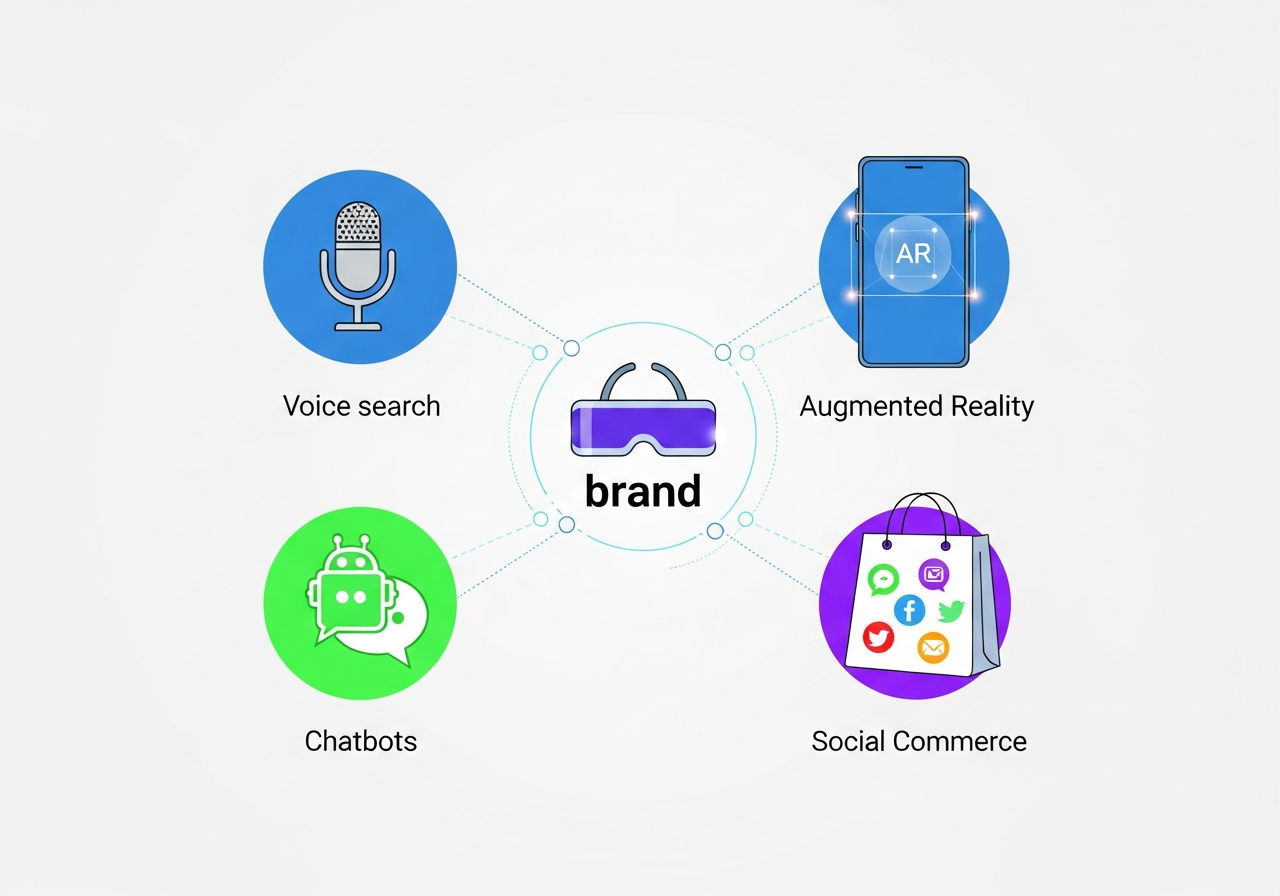
Key Emerging Trends:
- Voice Search & Smart Devices: Optimize content and product pages for voice-activated searches.
- Augmented Reality (AR) Experiences: Allow customers to visualize products in real-world settings via apps or social media filters.
- Chatbots and Conversational Commerce: Offer personalized recommendations and support in real-time across web and messaging apps.
- Social Commerce Growth: Leverage in-app purchasing features on platforms like Instagram, TikTok, and Pinterest to reduce friction.
Benefits of Trend Adoption:
- Positions your brand as innovative and customer-focused.
- Expands reach to tech-savvy audiences.
- Provides new touchpoints for personalized engagement.
No table is necessary in this section; paragraphs with bullet points effectively communicate trends and benefits.
Measuring Customer Engagement Across Channels
Understanding how customers interact with your brand across multiple channels is critical for refining your omni-channel strategy. By measuring engagement, you can identify which touchpoints drive the most conversions and optimize underperforming channels.
Key Metrics to Track:
- Click-through rates (CTR) for emails, ads, and social posts.
- Time spent on website pages or product listings.
- Social interactions: likes, shares, comments, and saves.
- Event participation rates (online webinars or in-person events).
- App usage and push notification responses.
Table Suggestion: Engagement Metrics by Channel
| Channel | Metric Example | Insight Gained |
|---|---|---|
| Website | Average session duration | Pages/products of most interest |
| Open rate / CTR | Content relevance and timing | |
| Social Media | Engagement rate | Which posts resonate with audience |
| Events & Webinars | Attendance and Q&A participation | Popular topics & engagement level |
| Mobile App | Push notification click rate | Effectiveness of in-app promotions |
Benefits of Tracking Engagement:
- Identify channels delivering the highest ROI.
- Understand customer preferences and pain points.
- Optimize content and offers based on real data.
Optimizing Omni-Channel Campaigns for ROI
Simply running promotions across channels is not enough; ongoing optimization ensures your campaigns generate a strong return on investment (ROI).
Optimization Tactics:
-
A/B Testing Across Channels
-
Test headlines, visuals, CTAs, and offers in emails, social ads, and landing pages.
-
Track performance to identify the most effective variations.
-
-
Budget Reallocation Based on Performance
-
Shift ad spend to top-performing channels or products.
-
Reduce investment in channels showing low engagement or conversions.
-
-
Customer Feedback Loops
-
Collect insights via surveys, product reviews, or live chat.
-
Use this data to refine messaging, personalize offers, and improve the customer experience.
-
-
Cross-Channel Attribution Modeling
-
Understand which touchpoints contribute most to conversions.
-
Assign appropriate value to each channel to make informed budget decisions.
-
Table Suggestion: Campaign Optimization Checklist
| Action | Purpose | Expected Outcome |
|---|---|---|
| A/B Testing | Identify best-performing content | Increased CTR and conversions |
| Budget Reallocation | Focus resources on top channels | Improved ROI |
| Customer Feedback | Capture real user insights | Better personalization & engagement |
| Attribution Modeling | Assign value to channels | Data-driven marketing decisions |
Benefits of Optimization:
- Maximizes ROI and reduces wasted ad spend.
- Improves customer experience through relevant, timely promotions.
- Enables scaling of successful campaigns across channels.
Conclusion
An effective omni-channel product promotion strategy requires thoughtful planning, consistent execution, and ongoing optimization. By integrating your channels—online and offline—you create a unified journey that resonates with customers and drives results. Start small: choose two or three core channels, align your messaging, and implement the right tools. As you gather data and learn what works, expand your efforts and refine your approach. With a customer-centric, cohesive plan in place, you’ll maximize your reach, build stronger brand loyalty, and boost sales growth in any market environment.
Ready to take your product promotion to the next level? Outline your omni-channel roadmap today, and watch as your audience engagement and revenue climb to new heights.
FAQ – Omni-Channel Product Promotion
1. What is omni-channel product promotion?
Omni-channel promotion is a marketing strategy that delivers a consistent brand message across all customer touchpoints, including online (website, social media, email) and offline (in-store, events). It ensures a seamless customer experience.
2. How is omni-channel different from multi-channel marketing?
Multi-channel marketing treats each channel independently, while omni-channel marketing connects them. Omni-channel focuses on consistency and integration across channels to guide the customer through a unified journey.
3. Which channels should I focus on first?
Start with 2–3 core channels that align with your audience, such as website/SEO, email marketing, and social media. Once established, expand to paid ads, influencer marketing, and offline channels.
4. How can I measure the success of my omni-channel campaigns?
Key KPIs include overall revenue, revenue by channel, conversion rates, customer lifetime value (CLV), customer acquisition cost (CAC), engagement metrics, and return on ad spend (ROAS).
5. What tools help manage omni-channel promotions?
Essential tools include:
- CRM platforms for customer data
- Marketing automation software for emails and workflows
- Analytics dashboards (Google Analytics, BI tools)
- Social media management platforms
- Ad management tools for campaigns and budgeting
6. How do I personalize messages across multiple channels?
Use behavior-based recommendations, dynamic content, audience segmentation, and cross-channel messaging to tailor content. Ensure consistent personalization across email, social media, website, and push notifications.
7. Are offline channels still important?
Yes. Offline channels like in-store events, pop-ups, and trade shows complement digital efforts, strengthen brand recall, and provide data for retargeting campaigns.
8. How often should I optimize my campaigns?
Regularly audit campaigns—weekly or monthly—analyze high- and low-performing channels, A/B test creatives and CTAs, and adjust strategies based on performance data and customer feedback.
Learn more about: How to Use Competitive Analysis in Product Marketing