
Google is one of the most valuable and recognizable brands on the planet. Dominating industries from search engines and online advertising to cloud computing and artificial intelligence, the tech giant doesn’t rely solely on its groundbreaking products to maintain its supremacy. Behind its success lies a well-crafted marketing strategy that serves as a roadmap for businesses of all sizes.
But how does Google do it? How does this multi-billion-dollar company position itself to remain a leader amid fierce competition? This blog explores the marketing strategies Google employs and how they set a blueprint for success.
Data-Driven Marketing
One of Google’s most significant advantages is its unparalleled access to data, and the company doesn’t waste any opportunity to leverage this asset. Every service they offer—whether it’s Google Search, Maps, Gmail, or YouTube—is designed to collect user data, which forms the core of their marketing approach.
Personalization and User Insights
Google’s advertising platforms, such as Google Ads, are rooted in the concept of personalization. The extensive data collected across its services helps the company produce hyper-targeted ads that deliver the right message to the right audience at the right time. Whether you’re a small business looking to run localized campaigns or a global enterprise eyeing international customers, Google equips marketers with tools to fine-tune their campaigns down to the last click.
Learning for Innovation
Beyond user personalization, Google collects data to identify emerging trends. When the company notices increased searches for a specific topic, it quickly adapts, often creating new products, refining services, or adjusting marketing initiatives to align with consumer interests.
According to a study by Statista, Google’s ad revenue amounted to $224 billion in 2022, proving how effectively they convert data into dollars without alienating their users.
AI and Automation at the Core of Google’s Marketing Strategy

Artificial intelligence and automation are not just product features at Google—they are central pillars of its marketing engine. Google uses AI to enhance user experience, optimize campaigns, and scale personalization in ways few companies can match.
Smarter Advertising Through AI
Google’s advertising ecosystem relies heavily on machine learning to optimize ad delivery. Features like Smart Bidding, responsive search ads, and automated targeting use AI to analyze massive volumes of data in real time. This allows advertisers to achieve better results with less manual intervention, reinforcing trust in Google’s platforms.
By promoting AI-powered tools as solutions rather than complexity, Google markets itself as a partner in growth rather than just an ad platform.
Predictive Insights and Automation
Google’s AI models help predict user behavior, identify trends, and recommend next actions. From suggesting keywords in Google Ads to forecasting demand in Google Analytics, automation simplifies decision-making for marketers while improving outcomes.
This approach positions Google as an intelligent assistant—a brand that anticipates needs instead of reacting to them.
AI as a Brand Differentiator
Beyond advertising, Google highlights AI across products like Search, Gmail, Photos, and Assistant. By consistently showcasing how AI improves everyday tasks, Google reinforces its identity as an innovation-driven brand focused on making life easier.
For users and businesses alike, this creates confidence that Google’s tools will continue to evolve and stay ahead of market demands.
Content Marketing and Education
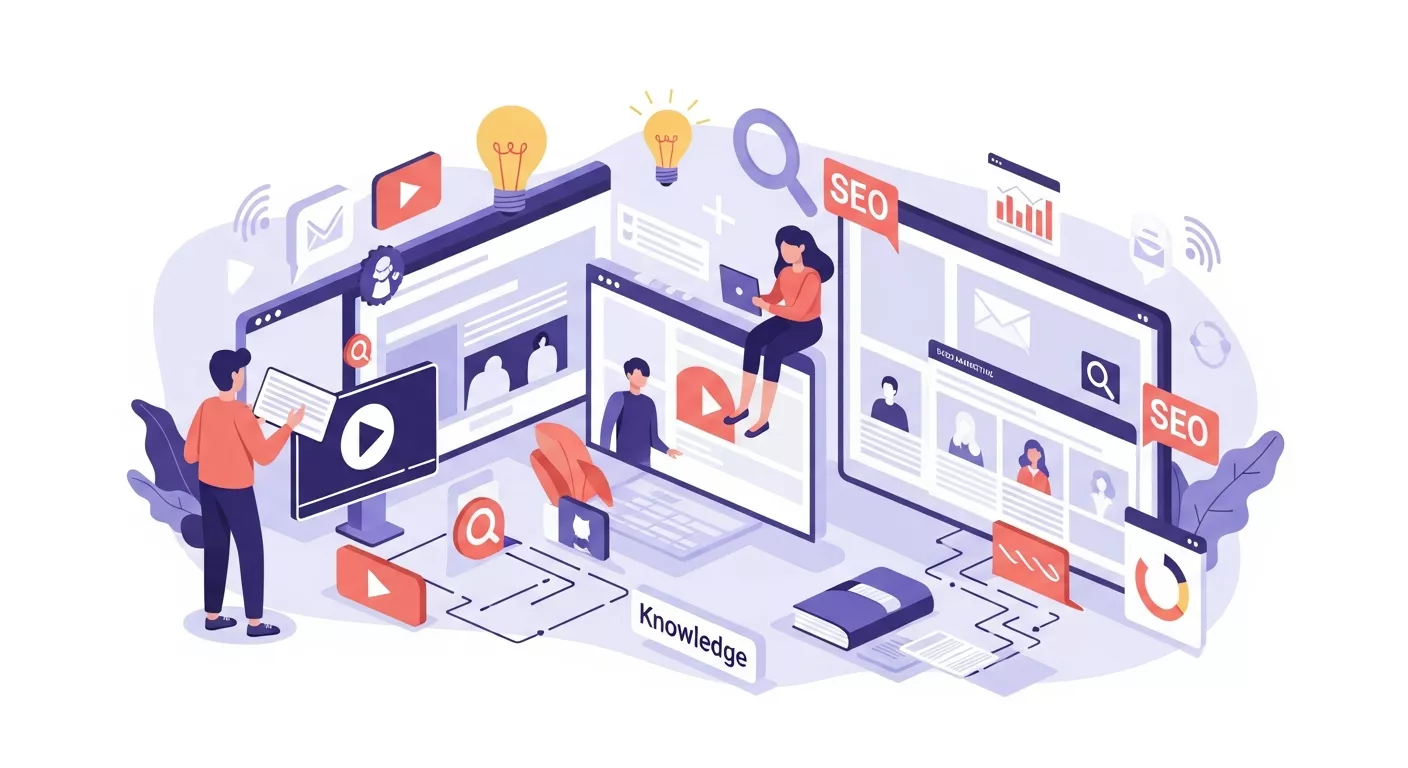
Content plays a vital role in Google’s marketing strategy. The company approaches content creation as not just a way to inform but also to educate and empower its audience.
Free Resources for Users
Google invests heavily in educational content that’s freely available to its users. Resources like the Google Digital Garage, Think with Google, and YouTube Creators Hub guide businesses, creators, and individuals on how to thrive online. Such platforms establish the brand as a trusted authority while encouraging users to engage further with its ecosystem.
Video and Tutorials
Google understands the power of video marketing, employing YouTube (which it owns) to connect and engage with audiences. From commercial ads with emotional appeal to tutorial videos on troubleshooting software, Google ensures its video content addresses the real-life needs of its audience.
SEO Mastery
Naturally, Google excels at search engine optimization. Its official blogs and Help Center articles highlight key information needed by its audience while appearing prominently in search engine results.
For example, when Google announces algorithm updates, their content manages to rank highly in the search results, positioning them as the go-to destination for up-to-date information. It’s a clever way of ensuring the audience remains reliant on their expertise.
Innovative Product Ecosystem as a Marketing Tool

One of Google’s genius marketing strategies is how its products market each other. Instead of focusing solely on promotions, the company leverages its ecosystem to create seamless integration among its offerings.
Creating a Web of Connections
Google products are interconnected to provide an optimal user experience. For instance:
- Use Google Workspace, and you’ll interact with collaborative tools like Google Docs, Sheets, Slides, and Meet.
- Search for a route on Google Maps, and you’re directed to nearby businesses that advertise on Google Ads.
This interconnected approach ensures businesses and individuals rely on Google’s ecosystem, increasing exposure to its products and services.
Freemium Models
Google’s freemium strategy is brilliant. Many of its products, such as Google Drive, Google Photos, and Gmail, offer a generous amount of free functionality. When users require premium features or expanded storage, they’re encouraged to subscribe to paid plans. This model builds trust by providing value upfront while presenting upgrade opportunities as users grow.
Partnerships and Strategic Alliances
Google doesn’t just rely on its own products—it amplifies its marketing reach through smart partnerships and collaborations. Strategic alliances allow Google to expand into new markets, enhance credibility, and tap into complementary audiences.
Key Strategies in Partnerships:
-
Tech Collaborations: Partnering with hardware makers (like Samsung and Pixel devices) ensures Google services are pre-installed, driving adoption and ecosystem integration.
-
Content Partnerships: Collaborations with media outlets and content creators for YouTube and Google News provide diverse, engaging experiences for users while boosting visibility.
-
Business Alliances: Google Workspace integrates with third-party apps such as Slack, Zoom, and Asana, making its platform more indispensable for businesses.
Why It Works:
-
Partnerships extend Google’s reach without heavy advertising costs.
-
They create credibility by association—users trust established brands that integrate with Google.
-
Alliances strengthen the ecosystem, ensuring users remain engaged and dependent on Google products.
Takeaway for Your Business:
Even small businesses can leverage partnerships to enhance marketing impact. For example, co-branded campaigns, influencer collaborations, or app integrations can expand your audience while adding value for users.
Community Engagement
Google prioritizes community engagement to forge deeper connections with its users. By hosting events, launching social initiatives, and collaborating with content creators, the company ensures its finger is always on the pulse of the audience.
Events like Google I/O
Through annual events like Google I/O, the company provides a behind-the-scenes look at its technologies and future plans. These events are a double-edged sword, serving developers eager for updates while creating media buzz that influences tech conversations globally.
Celebrating Everyday Users
Initiatives like Google Doodles or YouTube’s “Creators on the Rise” spotlight specific user groups, lending a human touch to its marketing approach. This tactic not only enhances community engagement but also ensures an emotional connection between the brand and its audience.
Outstanding Advertising Campaigns
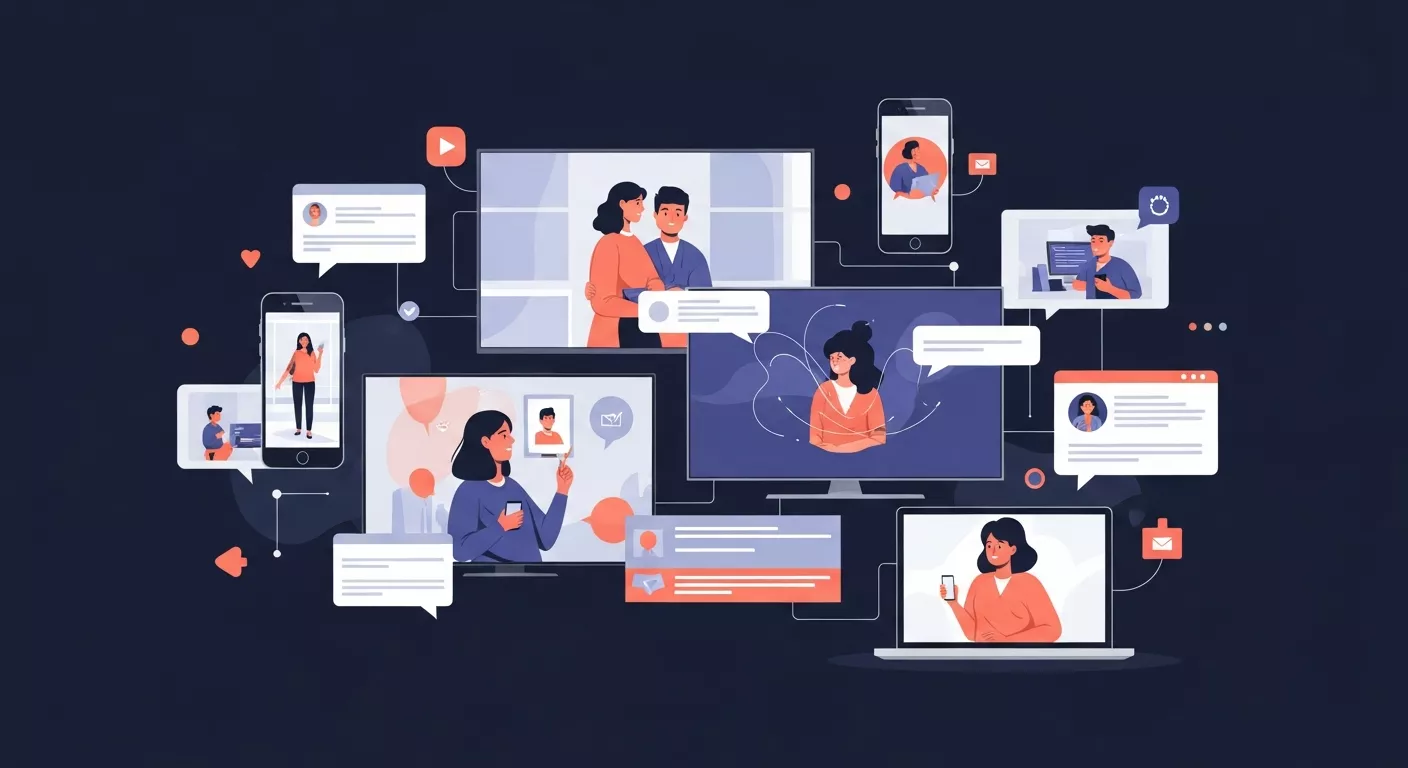
Google invests in memorable advertising campaigns that appeal to both emotions and logic. By focusing on storytelling, the company creates campaigns that resonate with audiences on a personal level.
Emotional Storytelling
One hallmark of Google ads is their emotional narrative. Take, for example, the famous “Parisian Love” ad aired in 2009. The ad followed a simple yet poignant story of a young man using Google Search to plan his studies, meet a girl, and eventually settle down in Paris. Spanning just 52 seconds, the ad managed to highlight how Google integrates into lives, while tugging at heartstrings.
Multi-Channel Advertising
Google’s ads thrive because they aren’t confined to one channel. The campaigns span TV, social media, search engines, and display platforms, reaching millions of consumers worldwide.
Emerging Technologies in Google’s Marketing Strategy
Google continually integrates cutting-edge technologies to stay ahead in marketing innovation. By leveraging AI, machine learning, and automation, the company ensures campaigns are highly targeted, efficient, and future-ready.
AI and Machine Learning in Marketing
Google uses artificial intelligence to optimize ad targeting, predict user behavior, and improve campaign performance. Tools like Google Ads Smart Bidding automatically adjust bids in real time to maximize conversions, while AI-driven analytics uncover insights that humans might miss.
Voice and Visual Search
With products like Google Assistant and Google Lens, the company taps into voice and visual search trends. Marketers can optimize content for these platforms, reaching audiences who search using images or natural language queries rather than keywords.
Automation and Programmatic Advertising
Programmatic advertising allows Google to automate media buying, targeting users with precision across multiple platforms. By combining real-time data with predictive analytics, campaigns reach the right audience at the right moment, reducing wasted spend and boosting ROI.
Augmented Reality (AR) and Immersive Experiences
Google is experimenting with AR in marketing, such as AR-enabled shopping ads on Google Search and Maps. This technology allows customers to visualize products in their real environment before purchasing, enhancing engagement and reducing purchase hesitation.
Pro Tip for Marketers
Even if you’re not a large enterprise like Google, you can adopt these strategies by:
- Using AI tools for ad optimization and audience segmentation.
- Exploring voice search SEO and visual content strategies.
- Testing AR or interactive content to improve user experience.
Key Takeaway:
By embracing emerging technologies, Google ensures its marketing strategies remain dynamic, relevant, and ahead of competitors. Small businesses can learn from this approach by integrating automation, AI insights, and interactive experiences into their own campaigns.
Branding Beyond Marketing
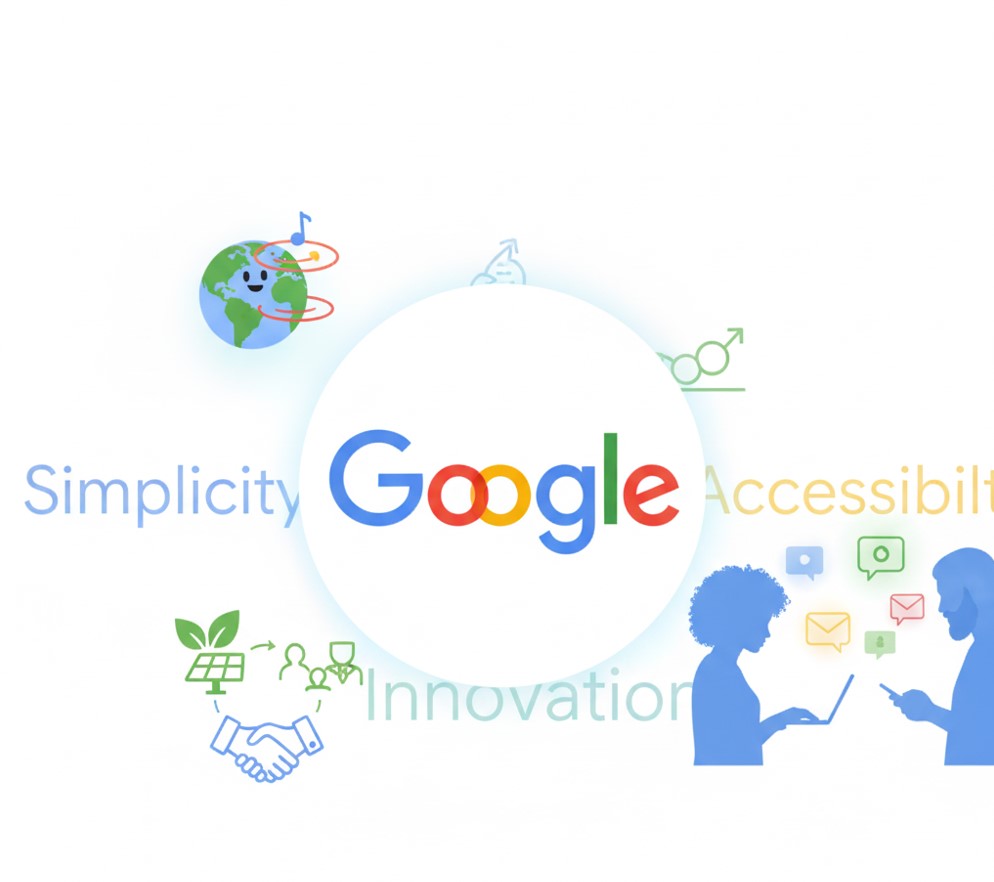
Google’s approach to branding transcends conventional marketing. Rather than solely relying on campaigns or advertisements, it markets itself through its very existence.
Simple and Recognizable Branding
Google’s clean and iconic logo, paired with a minimalist design, reflects simplicity and accessibility. Even the playful Google Doodle concept on its homepage reminds users they’re interacting with a flexible, humanized company.
Ethical Standpoints
Whether incorporating renewable energy into its data centers or investing in equity-focused programs, Google markets its brand as a responsible corporate citizen. This resonates with values-driven consumers, especially millennials and Gen Z audiences.
What Your Business Can Learn from Google
Google’s marketing strategies may feel unattainable for small or mid-sized businesses, but there are valuable lessons every organization can implement:
- Use data to guide strategy: Leverage tools like Google Analytics to understand your audience’s behavior and tailor campaigns accordingly.
- Focus on problem-solving: Create products or content that solves specific pain points for your audience, elevating your brand value.
- Leverage ecosystems: Even small businesses can create product bundles or services with interconnected features to build customer loyalty.
- Emotionally connect with your audience: Storytelling isn’t just for large brands. Building emotional narratives can help you forge lasting customer relationships.
Key Takeaway
Google’s marketing strategy thrives on innovation and customer focus. From data-driven personalization to crafting compelling storytelling campaigns, there’s no one-size-fits-all approach. By observing your audience and adapting your efforts accordingly, your business too can gain its competitive edge.
FAQ: Decoding Google’s Marketing Strategies
1. How does Google use data to improve its marketing?
Google collects data from its search engine, Gmail, YouTube, Maps, and other services. This data helps the company personalize ads, identify trends, optimize campaigns, and deliver relevant content to users—ensuring higher engagement and ROI.
2. What is the role of content marketing in Google’s strategy?
Content marketing is central to Google’s approach. By providing free educational resources, tutorials, and authoritative content, Google establishes itself as a trusted source, builds user loyalty, and drives engagement with its ecosystem.
3. How does Google leverage its product ecosystem for marketing?
Google’s products are interconnected. For example, using Google Workspace exposes users to Docs, Sheets, and Meet, while Maps integrates businesses via Google Ads. This creates seamless experiences and increases cross-product adoption.
4. Why are freemium models important to Google’s marketing?
Freemium models provide value upfront while encouraging upgrades. By offering free versions of products like Google Drive or Photos, users trust the brand, engage with the product, and are more likely to convert to paid plans.
5. How does Google build emotional connections through advertising?
Google’s campaigns often tell relatable, emotional stories—like the “Parisian Love” ad. Storytelling engages audiences on a personal level, making the brand memorable and fostering trust.
6. What role do partnerships and alliances play in Google’s marketing?
Strategic partnerships with hardware manufacturers, content creators, and business platforms extend Google’s reach, boost credibility, and enhance product integration, making its ecosystem more valuable to users.
7. How can small businesses apply Google’s marketing lessons?
Small businesses can:
- Use data analytics to understand customer behavior.
- Create content that solves real problems.
- Build interconnected products or services.
- Tell compelling, emotional stories to engage their audience.
- Collaborate with partners or influencers to extend reach.
8. How does Google maintain community engagement?
Through initiatives like Google I/O, Google Doodles, YouTube’s “Creators on the Rise,” and social programs, Google connects with users, developers, and creators—building loyalty and trust across its audience.
Learn more about: Mastering Omnichannel Product Promotion for Maximum Reach and Sales