Launching a product online can be a game-changer for your business—but only if done right. The digital marketplace is competitive, and creating buzz around your product takes more than just pressing “publish.” Whether you’re launching the next big app, a sleek gadget, or a groundbreaking course, having a clear strategy, actionable steps, and the right tools in place is key to success.
This blog will walk you through every stage of an online product launch, from laying the groundwork to turning your first sale into a lasting impression.
The Importance of a Strong Online Product Launch
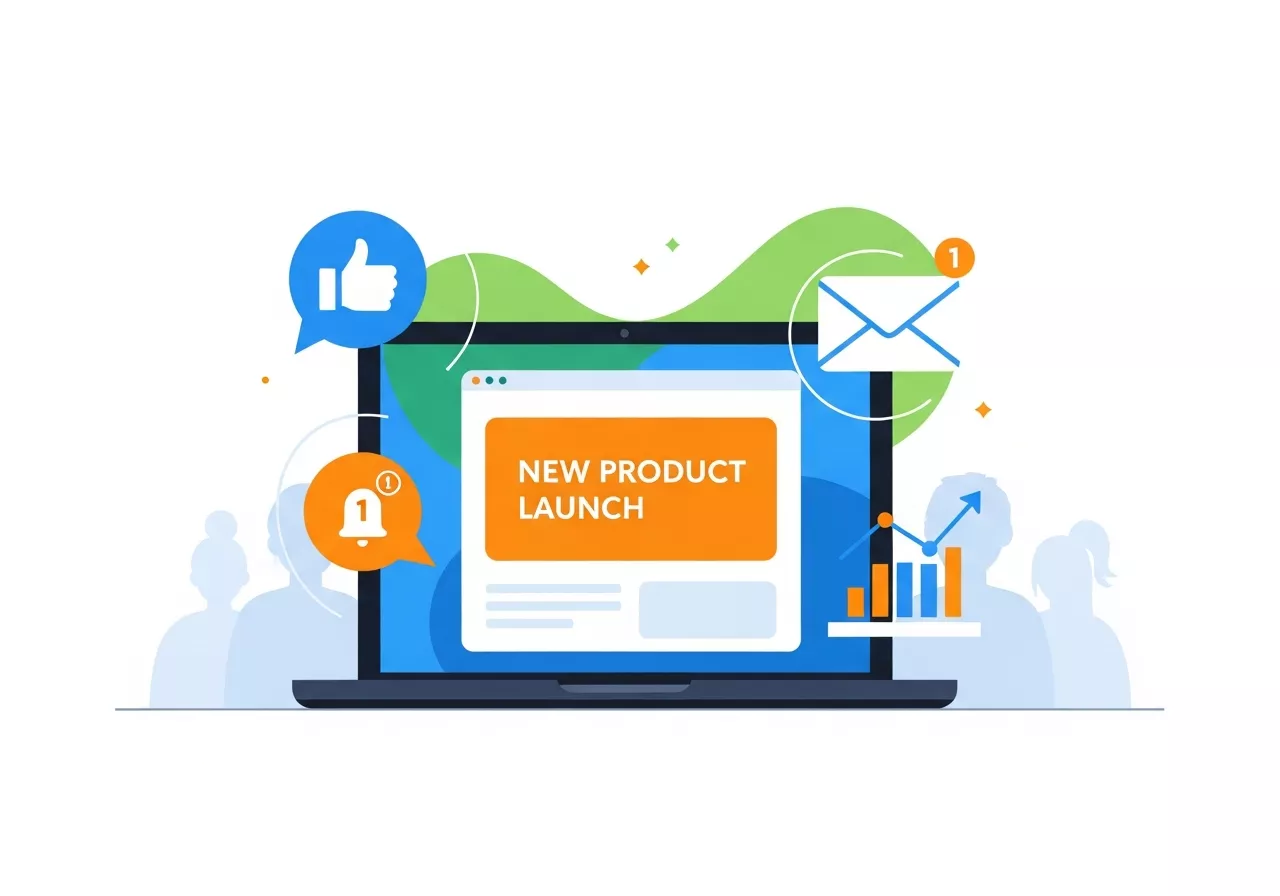
A strong product launch can mean the difference between your innovation gathering dust or flying off digital shelves. Why? Because it ensures you build anticipation, reach the right audience, and make an unforgettable first impression. Here are three benefits of a well-planned launch:
- Boosted Visibility: A strong launch gets people talking. With the right mix of social media, email marketing, and SEO, you’ll ensure your product is seen by those who need it most.
- Established Authority: A polished product launch positions your brand as credible and trustworthy, which is vital for winning over new customers.
- Sales Momentum: Creating buzz pre-launch means racking up those first sales quickly, helping maintain excitement and interest over time.
Now that we’ve established why it matters, let’s get into the nitty-gritty of how to pull it off.
Step 1: Define Your Launch Strategy
Before you roll out the red carpet for your new product, you need a roadmap. A clear product marketing strategy will help you stay focused and ensure all your efforts align with your end goal.
Target Audience
Start by identifying your ideal customer. Who will benefit most from this product? What are their pain points, and how does your solution address them? Understanding your audience will guide every step of your launch.
Value Proposition
What makes your product different? Your value proposition should clearly and succinctly communicate why your product is worth your customers’ time and money.
Goals and Metrics
Set specific, measurable goals for your launch. Examples include reaching X number of website visits, generating Y in revenue, or achieving Z social media shares. These metrics will help you track success and adjust your strategy as needed.
Step 2: Build Anticipation Pre-Launch
Creating buzz before launch is essential. Here’s how to get people excited about what’s coming.
Create a Landing Page
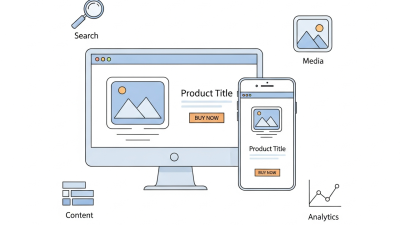
Design a dedicated landing page for your product. This page should feature a high-quality image or video, a compelling headline, key product benefits, and an email opt-in form for early signups.
Tease on Social Media
Use your social channels to tease the launch with countdowns, sneak peeks, and behind-the-scenes content. Engaging visuals or teaser videos often perform best. Encourage followers to share posts to build reach.
Leverage Email Marketing
If you already have an email list, now is the time to use it. Send out a series of pre-launch emails that reveal why your product matters, highlight benefits, and include exclusive perks for early buyers.
Partner with Influencers
Collaborate with influencers who align with your brand. They can preview your product to their audiences, building trust before your launch day.
Step 3: Launch Day Execution
Launch day is your time to shine! Here’s how to make the most of it.
Announce Everywhere
From email announcements and blog updates to social media blasts, make sure your launch message reaches every corner of your online presence.
Offer Limited-Time Promos
People love a good deal! Offering a launch-day discount or an exclusive bonus can encourage immediate purchases.
Invest in Paid Ads
Paid ads on platforms like Google, Facebook, and Instagram can significantly boost visibility on launch day. Focus your targeting on keywords and audience profiles aligned with your product.
Be Available
Customer questions will come pouring in, so make sure your support team is ready. Clear communication during launch day can make or break customer trust.
Step 4: Post-Launch Optimization
Your product is live, but the work doesn’t stop there. This is where you maintain momentum and refine your strategy.
Collect Customer Feedback
Gather input from early adopters to identify strengths and areas for improvement. You can do this using surveys, social media polls, or product reviews.
Generate User-Generated Content
Encourage customers to share their experience with your product on social media. You can even host a contest or create a branded hashtag to amplify reach.
Analyze Data
Dive into the metrics you established in Step 1. Did your ads drive clicks? Did customers drop off at checkout? Use this data to tweak your campaigns and website for better results.
Keep the Audience Engaged
Don’t go radio silent after launch day! Engage your audience with follow-up emails, tips on using the product, and updates about future developments.
Common Challenges in Online Product Launches and How to Overcome Them
Launching a product online is exciting—but it’s not without obstacles. Understanding common pitfalls and planning for them can save time, money, and reputation.
1. Low Pre-Launch Engagement
Sometimes, despite your best efforts, your audience may not engage with your teasers or emails. This usually happens if your messaging doesn’t resonate or your target audience isn’t clearly defined.
Solution: Revisit your target audience research. Test headlines, visuals, and social content in small batches before the official launch to see what drives attention.
2. Technical Issues on Launch Day
Website crashes, slow loading times, or broken checkout flows can ruin your launch.
Solution: Run a stress test on your website and landing pages in advance. Ensure your hosting can handle peak traffic and test all payment gateways thoroughly.
3. Limited Marketing Reach
Even the best product can fail if the right people don’t see it. Organic reach alone may not be enough.
Solution: Combine paid advertising with partnerships, influencer collaborations, and social sharing incentives to expand visibility.
4. Customer Confusion or Miscommunication
If your audience doesn’t understand your product benefits, sales will suffer.
Solution: Use clear, benefit-driven messaging across all channels. Include tutorials, videos, or FAQs to simplify understanding.
5. Post-Launch Momentum Loss
Many brands celebrate launch day and then fade away, losing engagement and potential sales.
Solution: Plan post-launch content, user-generated campaigns, email follow-ups, and limited-time offers to maintain momentum.
By anticipating these challenges and preparing strategies in advance, your online product launch has a much higher chance of success.
Tools to Streamline Your Product Launch
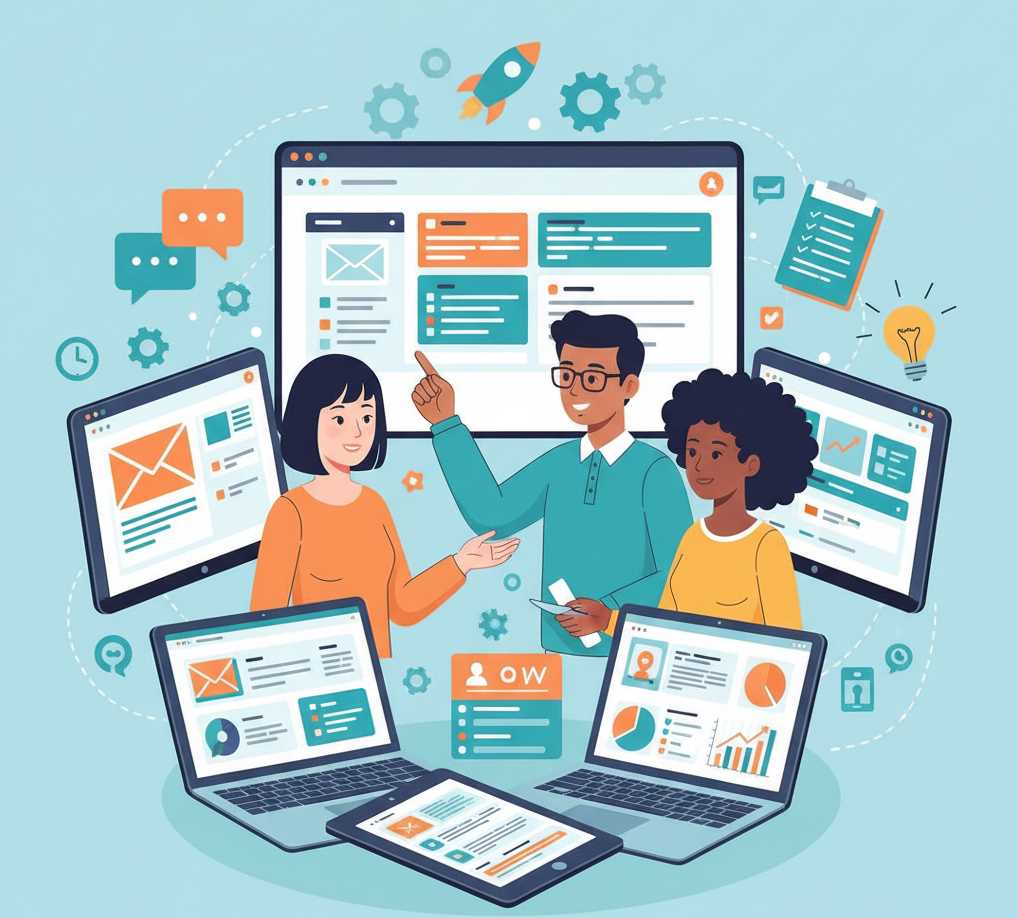
Launching a product is easier with the right tools. Here are our top picks for each stage of the process.
- Project Management: Trello or Asana will keep tasks and deadlines organized.
- Email Marketing: Try Mailchimp or Klaviyo for crafting pre- and post-launch emails.
- Landing Pages: Platforms like Instapage or Unbounce make it easy to create high-converting product pages.
- Social Media: Buffer and Hootsuite simplify scheduling and analyzing your social media campaigns.
- Analytics: Use Google Analytics or Hotjar to track user behavior and optimize your website.
Launch Metrics and KPIs to Track
Measuring the right metrics is critical to understanding whether your launch is successful and where improvements are needed. Below is a table summarizing key metrics, their purpose, and recommended tools:
| Metric | Purpose | Tools to Track |
|---|---|---|
| Website Traffic | Measure interest and reach | Google Analytics, Hotjar |
| Conversion Rate | Evaluate how many visitors make a purchase | Shopify Analytics, Google Analytics |
| Email Open & Click Rates | Assess effectiveness of email campaigns | Mailchimp, Klaviyo |
| Social Media Engagement | Track shares, likes, comments to measure buzz | Buffer, Hootsuite |
| Customer Feedback & Reviews | Understand product satisfaction | SurveyMonkey, Typeform, product review sections |
| Retention & Repeat Purchases | Monitor long-term success | Shopify, WooCommerce analytics |
| Paid Ad ROI | Evaluate the effectiveness of paid campaigns | Google Ads, Facebook Ads Manager |
Tracking these metrics consistently helps you optimize campaigns, understand customer behavior, and make data-driven decisions for future launches.
Leveraging Community and Influencer Marketing for Maximum Impact
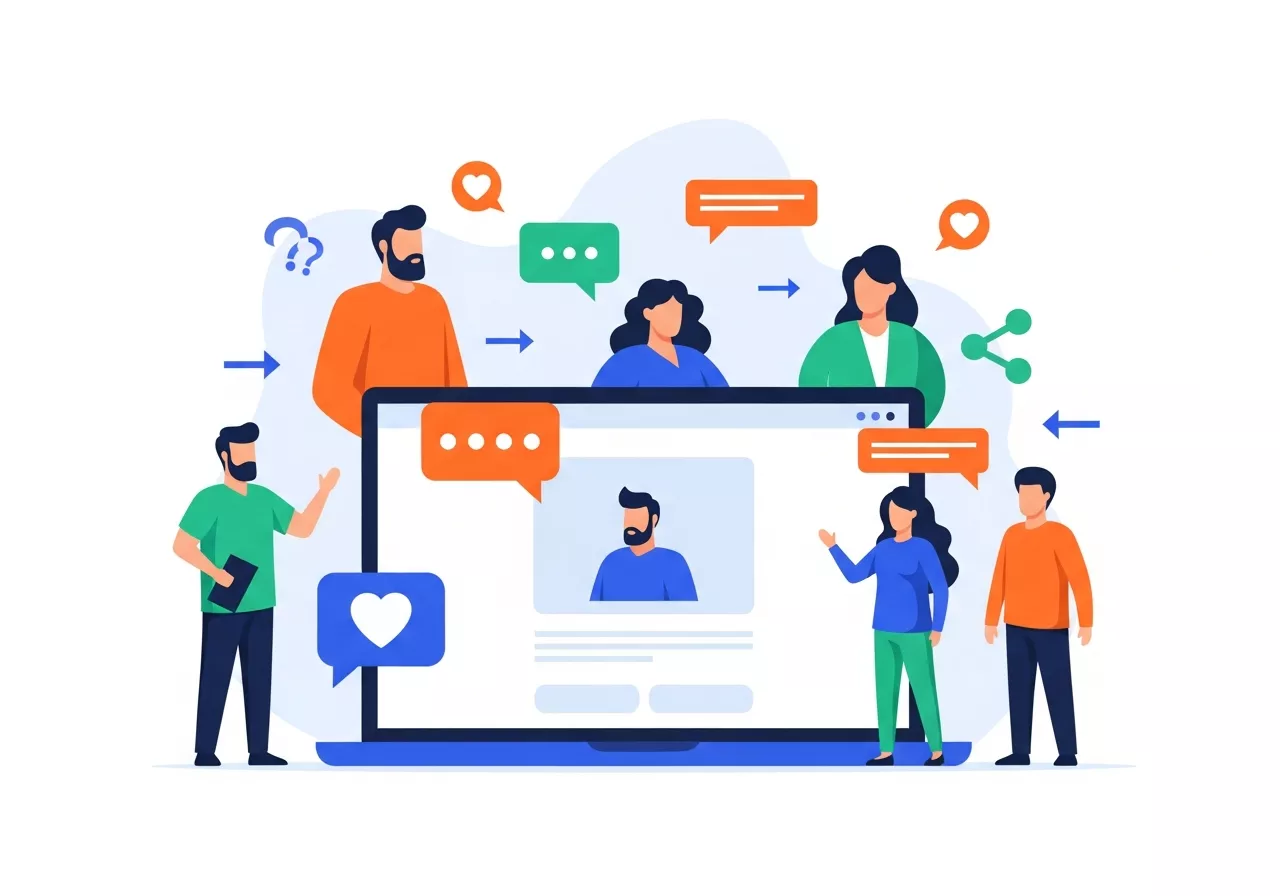
Communities and influencers can significantly amplify your product launch, creating authentic engagement and trust.
Community Marketing:
Engaging with niche online communities—like Reddit, Facebook groups, or industry-specific forums—can provide both feedback and promotion. Start by joining discussions, sharing your knowledge, and subtly introducing your product. Authenticity matters: avoid aggressive promotion, and focus on solving problems your audience cares about.
Influencer Marketing:
Influencers can act as trusted voices for your product. Choosing the right influencers involves more than follower count—it’s about alignment with your brand values and audience. Micro-influencers often drive higher engagement and conversions than big celebrities because their followers trust their opinions.
Tips for Successful Collaboration:
- Provide free access to your product in exchange for honest reviews.
- Create exclusive discount codes for their audience to track conversions.
- Encourage influencers to create unboxing, demo, or tutorial content.
- Use multiple influencers to reach different audience segments without over-saturating one community.
By combining community engagement and influencer partnerships, you increase both reach and credibility, making your online product launch more impactful.
Case Studies of Successful Online Product Launches
Understanding theory is important, but seeing how other businesses have successfully launched products online provides actionable insights. Below, we examine real-world examples from different industries, highlighting strategies, execution, and results.
| Company/Product | Launch Strategy | Key Tactics | Results |
|---|---|---|---|
| Apple – iPhone Launches | Pre-launch hype and strong brand loyalty | Teaser videos, keynote events, influencer buzz, and exclusive pre-orders | Millions of units sold in first weekend, global media coverage, brand authority reinforced |
| Dropbox – Cloud Storage | Referral-based viral marketing | Beta signups, referral rewards, limited invite system | Rapid user growth from a few thousand to millions within months, minimal ad spend |
| Glossier – Beauty Products | Community-driven marketing | Leveraged social media, user-generated content, and influencer reviews | Sold out launches, strong social media engagement, high customer loyalty |
| Airbnb – New City Listings | Hyper-localized marketing | Email campaigns targeting early users, partnerships with local bloggers, user testimonials | Quick adoption in new markets, boosted host engagement, high booking rates |
| Duolingo – Language App Features | Gamified launch and engagement | Beta testing with small user groups, feedback loops, app store optimization | Increased downloads, high retention, rapid feature iteration based on user input |
Key Takeaways from These Case Studies
- Build Anticipation: Apple and Glossier demonstrate the power of pre-launch buzz to maximize first-day sales.
- Leverage Community: Dropbox and Duolingo show how engaging users early can accelerate growth and adoption.
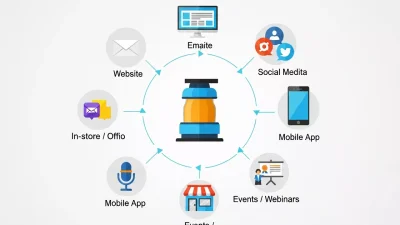
- Use Multiple Channels: Combining social media, email, influencers, and events ensures maximum reach.
- Iterate Based on Feedback: Airbnb and Duolingo highlight the importance of listening to user feedback and refining your product.
- Create FOMO: Limited availability, pre-orders, and exclusive offers drive urgency and excitement.
By studying these examples, you can adopt proven tactics for your online product launch while adapting them to your niche, audience, and resources. Real-world case studies give concrete evidence that a well-planned, data-driven, and community-focused launch can significantly boost visibility, engagement, and sales.
Turn Your Product Launch into a Business Breakthrough
A successful online product launch is the perfect blend of strategy, anticipation, execution, and follow-through. By knowing your target audience, crafting a clear value proposition, and optimizing each step with the right tools, you can ensure your product gets the attention it deserves.
Want expert advice to make your launch even smoother? Contact us today to learn how we can help you turn your product into a digital success story.
FAQ: How to Launch a Product Online
1. Why is an online product launch important?
An online launch builds awareness, generates excitement, and attracts your target audience. It ensures your product reaches the right people and establishes credibility while driving early sales momentum.
2. How do I define a successful launch strategy?
A strong launch strategy includes identifying your target audience, clarifying your value proposition, and setting measurable goals. Aligning marketing channels, messaging, and promotions with these elements ensures consistency and effectiveness.
3. How can I create pre-launch anticipation?
You can build buzz by:
- Designing a dedicated landing page with opt-ins
- Teasing your product on social media
- Sending email campaigns to your subscriber list
- Partnering with influencers to preview your product
4. What are the key steps on launch day?
- Announce your launch across all channels
- Offer limited-time promotions
- Run targeted paid ads for visibility
- Provide prompt customer support to answer questions
5. How do I optimize post-launch?
- Collect customer feedback via surveys or reviews
- Encourage user-generated content and social shares
- Analyze data from metrics like website traffic, conversion rate, and engagement
- Keep engaging your audience with updates, tips, and follow-ups
6. What tools can help with an online product launch?
- Project Management: Trello, Asana
- Email Marketing: Mailchimp, Klaviyo
- Landing Pages: Instapage, Unbounce
- Social Media Management: Buffer, Hootsuite
- Analytics: Google Analytics, Hotjar
7. What common challenges should I expect?
- Low initial visibility
- Poor audience targeting
- Messaging that doesn’t resonate
- Technical issues with landing pages or payment processing
Overcoming these involves testing, monitoring metrics, and iterating quickly.
8. How do I measure the success of a product launch?
Track KPIs such as:
- Website traffic and landing page conversions
- Sales revenue and pre-orders
- Engagement on social media and email campaigns
- Customer feedback and retention rates
9. Can influencer and community marketing help?
Absolutely! Engaging with online communities and influencers builds trust, expands reach, and provides authentic endorsements that can boost adoption and credibility.
10. What mistakes should I avoid?
- Skipping pre-launch planning
- Ignoring customer feedback
- Failing to track metrics
- Over-promoting without genuine engagement
Learn more about: Mastering Omni-Channel Product Promotion: A Comprehensive Guide