
Effective Buyer Personas empower marketers to understand, segment, and target audiences. They improve content, email, and campaign strategies. Regularly updated, data-driven Buyer Personas drive engagement, conversions, and long-term marketing success.
Creating accurate Buyer Personas is essential for modern marketing success. These detailed profiles of your ideal customers help you understand their needs, behaviors, and preferences. By leveraging Buyer Personas, businesses can craft targeted messages, improve engagement, and increase conversions. In this guide, we’ll explore actionable steps to build Buyer Personas that actually support your marketing strategy and deliver real results.
What Are Buyer Personas?
Buyer Personas are semi-fictional representations of your ideal customers based on market research and real data. They include demographic information, goals, challenges, interests, and buying behaviors. By creating Buyer Personas, marketers gain a deeper understanding of who their customers are, why they make purchasing decisions, and how they prefer to interact with brands. Using these insights, businesses can personalize their marketing campaigns, tailor content, and improve customer engagement. Accurate Buyer Personas also help identify gaps in your offerings and reveal new opportunities for growth. Companies that leverage Buyer Personas strategically are better positioned to meet customer needs, build trust, and increase conversion rates across all marketing channels.
Why Buyer Personas Matter
Understanding Buyer Personas is critical because they guide every aspect of your marketing strategy. Without them, campaigns may feel generic, fail to resonate, or miss key audiences. Buyer Personas help marketers target messages effectively, optimize content for each stage of the customer journey, and design products or services that align with customer expectations. They also allow for better segmentation, so businesses can focus resources on high-value prospects. By knowing the pain points, preferences, and motivations of each persona, marketing teams can create relevant campaigns that increase engagement and loyalty. Brands that integrate Buyer Personas into strategy see measurable improvements in click-through rates, lead generation, and long-term customer retention.
How to Research Your Buyer Personas
Creating effective Buyer Personas begins with thorough research. Start by analyzing existing customer data, surveys, and feedback to identify patterns in demographics, behaviors, and preferences. Conduct interviews with current customers to uncover motivations, challenges, and buying triggers. Examine competitors’ audiences for insights through Competitive Analysis in Product Marketing to find gaps or trends. Use analytics tools to track online behavior, purchase history, and engagement metrics. The goal is to gather insights that paint a comprehensive picture of your target audience. Well-researched Buyer Personas ensure marketing messages resonate authentically, helping businesses craft strategies informed by real data rather than assumptions.
Key Components of a Buyer Persona
A detailed Buyer Persona includes several crucial components. Demographic information—age, gender, income, education, location—provides context. Behavioral patterns reveal how they interact with products, websites, and content. Goals and challenges define motivations, while psychographics cover interests, values, and lifestyle choices. Buying triggers explain decision influencers, including preferred channels and information sources. Adding a “day in the life” perspective makes personas relatable to teams. Modern marketers can also integrate AI in Product Marketing insights to predict behavior trends. Combining these elements gives a 360-degree view, enabling marketers to create relevant content, design offers, and develop campaigns that genuinely connect with target audiences.
Segmenting Buyer Personas for Targeted Marketing
Segmentation is vital when using Buyer Personas. Customers are diverse, and dividing them into distinct groups allows for personalized strategies. Segmentation can be based on demographics, behavior, purchase history, or psychographics. For example, one persona may be price-sensitive, while another prioritizes quality and brand reputation. Tailoring content and messaging for each segment ensures higher engagement and conversions. Using segmented Buyer Personas also streamlines ad spend by targeting the right audiences. Additionally, marketers can incorporate insights from Video Content Marketing to align creative content with each persona’s preferences, increasing interaction and relevance. Strategic segmentation transforms Buyer Personas into powerful tools for driving measurable marketing results.
Using Buyer Personas in Content Marketing
Buyer Personas guide content marketing by clarifying audience preferences and engagement habits. For each persona, define topics, formats, and channels that resonate with them. Some personas may prefer blogs or ebooks, while others engage more with short videos or Video Content Marketing campaigns. Tailoring messaging based on persona insights boosts engagement, builds trust, and encourages conversions. Buyer Personas also help plan content across the customer journey, ensuring the right information reaches audiences at the right time. Incorporating personas into content strategy ensures marketing is relevant, valuable, and persuasive. Marketers who combine personas with Interactive Campaigns can enhance user participation, creating experiences that convert and retain customers.
Buyer Personas for Email Marketing
Email marketing strategies become far more effective with Buyer Personas. Understanding each persona’s needs allows marketers to create highly personalized sequences that resonate. Segment email lists based on personas, tailor subject lines, and deliver content specific to pain points and interests. Personalized emails result in higher open rates, click-through rates, and conversions. Buyer Personas also guide optimal frequency, timing, and tone for campaigns. Additionally, integrating AI in Product Marketing tools into email workflows can predict engagement patterns, ensuring messages are highly relevant. By continuously analyzing metrics and updating personas, marketers keep campaigns effective and customer-focused, strengthening relationships and maximizing ROI across channels.
Common Mistakes When Creating Buyer Personas
One major mistake is assuming Buyer Personas without research, relying on guesses rather than data, which leads to ineffective campaigns. Another error is creating too many personas, which dilutes focus and resources. Avoid making personas too generic; specificity is key to actionable insights. Neglecting to update Buyer Personas as customer behaviors change reduces their effectiveness. Finally, not integrating personas into marketing strategy limits their value. Recognizing these pitfalls ensures better results. Combining Buyer Personas with Competitive Analysis in Product Marketing insights helps avoid errors by grounding decisions in real-world trends and data. Continuous refinement makes personas actionable and impactful for strategy.
Measuring Success with Buyer Personas
To ensure your campaigns are effective, it’s important to measure performance against specific persona goals. Tracking engagement, conversions, and other key metrics helps identify which audience segments respond best and highlights areas needing improvement. Regular analysis allows marketers to make data-driven decision adjustments, optimize resources, and refine messaging for maximum impact. By evaluating results consistently, teams can ensure content resonates with the intended audience, campaigns are cost-effective, and overall marketing strategies continue to deliver meaningful engagement and measurable business growth.
Key Points:
- Set measurable goals for each persona (CTR, conversions, engagement).
- Use analytics to compare persona performance.
- Adjust campaigns based on insights.
Table: Buyer Persona Campaign Metrics
| Persona | Metric Tracked | Current Performance | Goal Performance |
|---|---|---|---|
| Tech-Savvy Tom | Click-through Rate | 4.5% | 6% |
| Busy Brenda | Engagement Rate | 3.2% | 5% |
| Budget-Minded Ben | Conversion Rate | 2.8% | 4% |
Tools to Build Buyer Personas
Several tools simplify creating accurate Buyer Personas. Surveys and forms collect customer feedback, while analytics platforms track behavior, demographics, and engagement trends. CRM software provides purchase history and interaction insights. Social media listening tools uncover interests, conversations, and pain points. Persona templates and generators structure data into actionable profiles. Using these tools ensures Buyer Personas are comprehensive, data-driven, and easy to reference. Incorporating AI in Product Marketing and Competitive Analysis in Product Marketing tools enhances accuracy, allowing marketers to predict trends and adapt strategies. Leveraging these tools streamlines persona creation, enabling informed, targeted marketing campaigns that deliver measurable ROI.
Updating and Evolving Buyer Personas
Buyer Personas are not static—they evolve as markets, products, and customers change. Regularly review analytics, feedback, and trends to refine personas. Conduct surveys and interviews to ensure profiles reflect current behaviors and preferences. Updating Buyer Personas allows teams to adjust messaging, optimize campaigns, and address emerging needs. Evolving personas can reveal untapped opportunities or new pain points. Incorporating insights from Interactive Campaigns keeps marketing engaging and responsive. By maintaining current Buyer Personas, businesses sustain strong audience connections, maximize campaign effectiveness, and ensure strategies remain relevant. Regular updates make personas a living asset, continuously guiding marketing for long-term growth and success.
Buyer Personas in Social Media Marketing
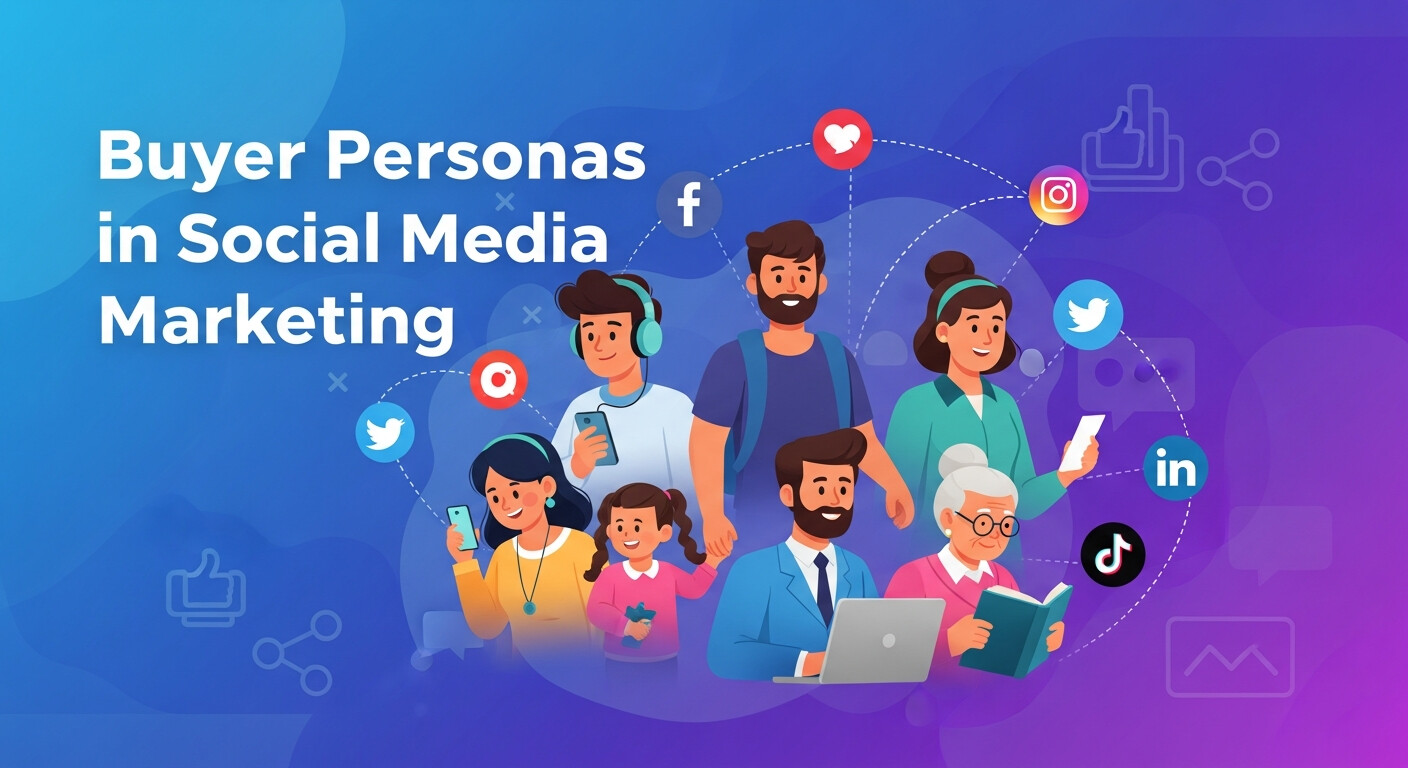
Social media campaigns are far more effective when informed by detailed audience profiles. Understanding your target audience allows you to create posts, ads, and content that truly resonate with their interests and needs. Personalized messaging boosts engagement, encourages shares, and drives higher conversions. Additionally, social media analytics provide valuable insights, allowing marketers to refine audience profiles over time by monitoring likes, comments, click-throughs, and overall interaction patterns for continuous improvement.
Key Points:
- Identify preferred platforms for each persona.
- Use content formats they engage with most.
- Track engagement metrics for ongoing improvements.
Table: Social Media Persona Preferences
| Persona Name | Preferred Platform | Content Type | Engagement Goal |
|---|---|---|---|
| Tech-Savvy Tom | Twitter, LinkedIn | Articles, Videos | Click-throughs, Shares |
| Busy Brenda | Facebook, Instagram | Short videos, Stories | Likes, Comments |
| Budget-Minded Ben | Instagram, TikTok | Promotions, Discounts | Conversions, Sign-ups |
The Future of Buyer Personas
The future of Buyer Personas is increasingly data-driven and dynamic. Advances in AI, machine learning, and analytics allow marketers to create real-time, adaptive personas that evolve with customer behavior. Predictive insights can anticipate needs, preferences, and buying patterns, making campaigns more precise and personalized. Integration with automation tools ensures seamless targeting across channels, from social media to email and beyond. As customer expectations grow, businesses that leverage evolving Buyer Personas will gain a competitive edge, delivering relevant experiences and building stronger, long-lasting relationships with their audience in an ever-changing market landscape.
Conclusion
Creating accurate Buyer Personas is essential for effective marketing. They provide a clear understanding of your audience, guide content creation, and improve campaign targeting. By researching, segmenting, and regularly updating Buyer Personas, businesses can deliver personalized messages that resonate, increase engagement, and drive conversions. Integrating these insights into every marketing channel ensures your strategy remains relevant and customer-focused. Ultimately, well-crafted Buyer Personas are a powerful tool for building stronger connections with your audience and achieving long-term marketing success.
Frequently Asked Questions
1. What is a customer profile?
A customer profile is a detailed description of a target audience segment, including demographics, interests, and behavior. It helps marketers understand who they are reaching, what motivates them, and how to communicate effectively with different groups for better engagement.
2. Why is audience research important?
Audience research identifies preferences, challenges, and decision-making processes of potential customers. It ensures marketing messages resonate, content reaches the right people, and campaigns deliver meaningful results, reducing wasted resources and improving overall strategy effectiveness.
3. How do I gather customer insights?
Insights can be gathered through surveys, interviews, analytics, social media engagement, and feedback forms. Collecting both qualitative and quantitative data provides a holistic view of the audience, helping marketers make informed decisions for targeting and content creation.
4. What role does behavior analysis play?
Behavior analysis tracks how users interact with your content, products, or services. Understanding patterns, preferences, and engagement helps improve targeting, messaging, and campaign efficiency, leading to higher conversions and stronger customer relationships.
5. How can segmentation improve campaigns?
Segmentation divides the audience into groups based on characteristics such as age, interests, or buying habits. This allows tailored messaging, optimized targeting, and more relevant content delivery, improving engagement, conversions, and overall marketing effectiveness.
6. What is the best way to update customer profiles?
Regularly reviewing analytics, surveys, and feedback ensures profiles remain accurate. Market trends and changing preferences should be incorporated, making marketing campaigns relevant and allowing teams to adapt strategies quickly for evolving audiences.
7. How do social media insights help?
Social media provides real-time data on engagement, trends, and preferences. Monitoring these metrics helps marketers understand which content resonates, which platforms perform best, and how to adjust strategies for maximum reach and interaction.
8. Can automation improve audience targeting?
Yes, marketing automation allows personalized messaging based on audience behavior and preferences. Automation tools streamline communication, improve timing, and increase efficiency, ensuring campaigns reach the right people with the right message at the right moment.
9. How do I measure campaign effectiveness?
Campaign effectiveness is measured by tracking KPIs such as engagement, click-through rates, conversions, and ROI. Analyzing these metrics helps refine strategies, identify high-performing segments, and optimize future campaigns for better results.
10. What common mistakes should be avoided?
Avoid relying on assumptions, creating overly broad profiles, and neglecting to update information. Ignoring feedback or failing to segment audiences reduces campaign effectiveness. Continuous research and adjustments are key to maintaining relevance and achieving marketing goals.