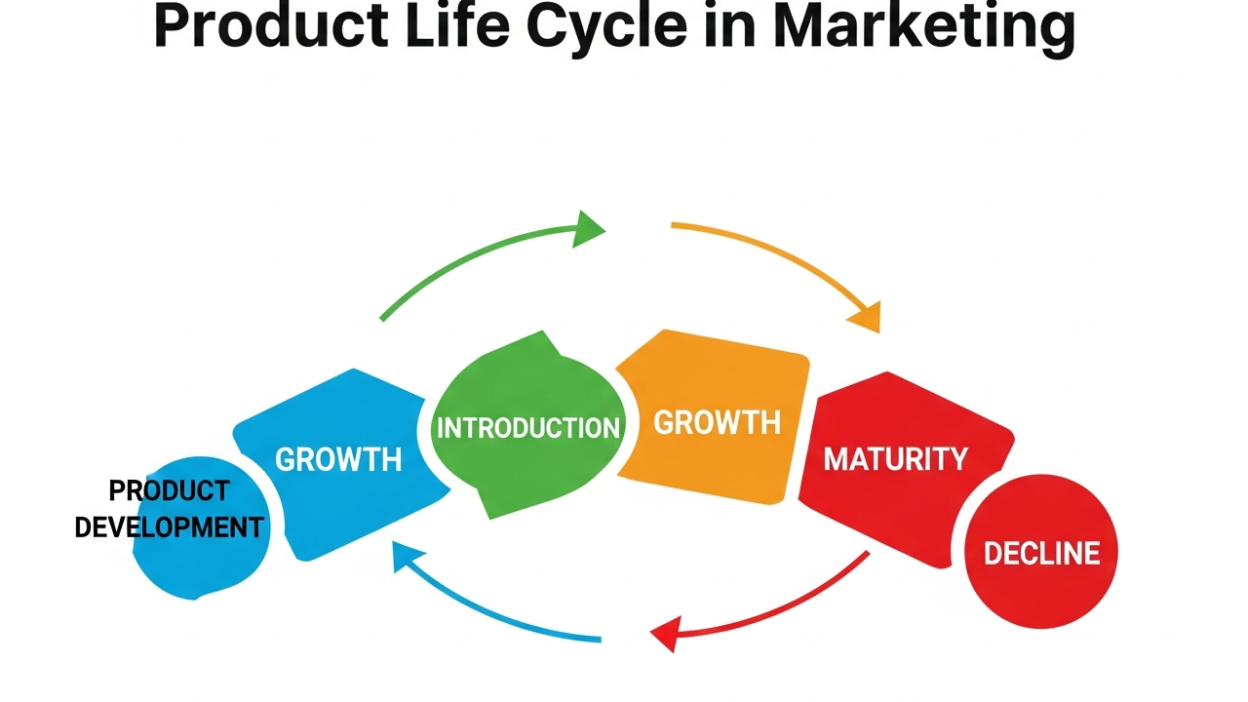
The topic of product life cycle in marketing is vital for a person who is in the field of marketing, management, or entrepreneurship. The idea is to help businesses plan, allocate resources, and predict trends in the market.
This guide will explore the five stages of the PLC, looking at the journey of products from development to market success to phase-out. When you can track the entire life cycle of a product, then you can inform smarter business decisions, optimize profits, and ensure sustainable marketing efforts.
What Is the Product Life Cycle in Marketing and Why Is It Important?
The product life cycle is defined as the steps that a product goes through from when it is introduced to the market until its removal from the market. They are Planting, Introduction, Growth, Maturity, and Decline. At each stage, there are different challenges and opportunities that can affect pricing, promotion, and distribution strategies.
Understanding the PLC enables marketers to know when they should innovate, when to spend on promotions, and when products need to be retired or when they should refocus on other market opportunities. It’s not enough to track sales; it is also about making proactive data-driven actions at every stage.
Understanding the product life cycle in marketing enables marketers to know when they should innovate, when to spend on promotions, and when products need to be retired or when they should refocus on other market opportunities. It’s not enough to track sales; it is also about making proactive data-driven actions at every stage.
Stage 1: Product Development
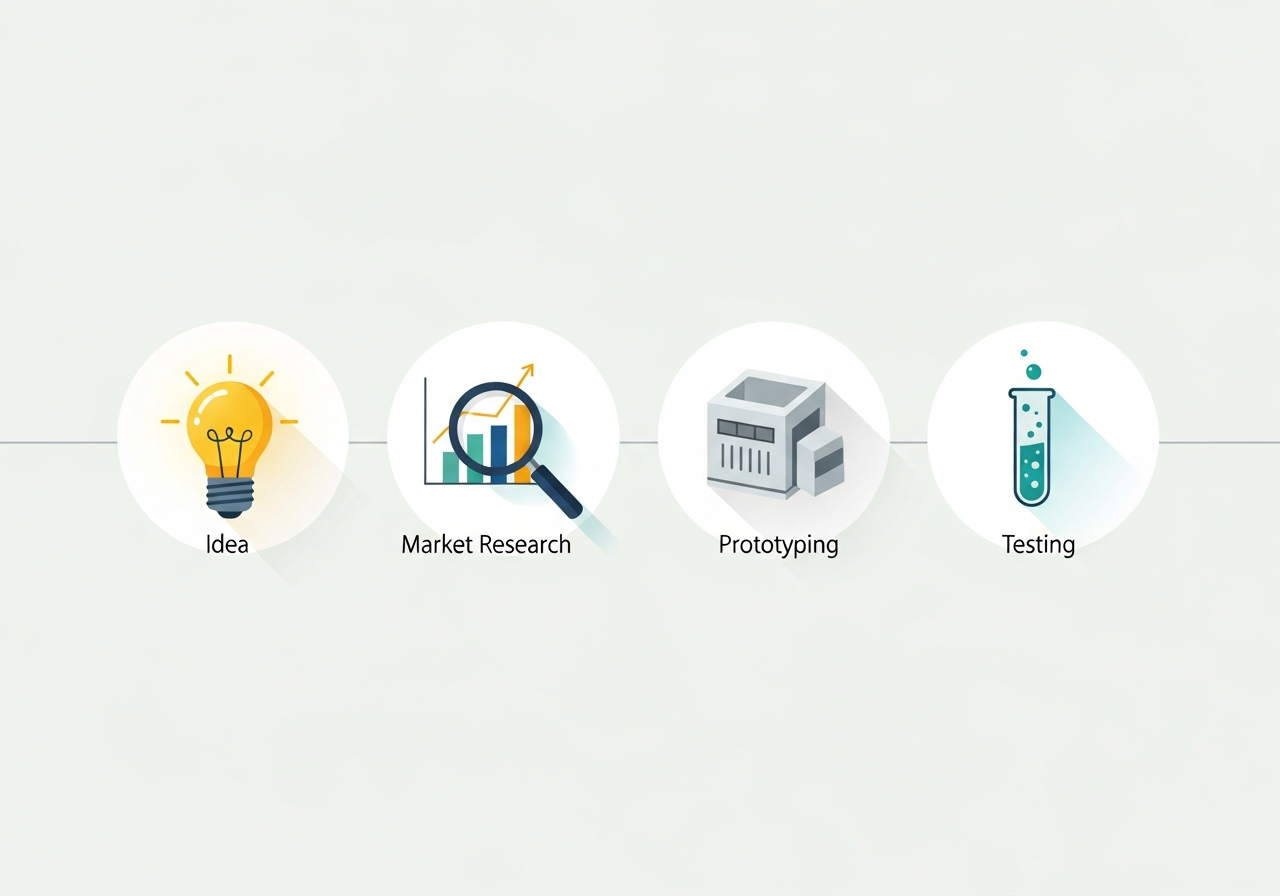
The first stage of the product life cycle in marketing is the Product Development stage. Here is when ideas are transformed into physical products or services. Usually, during this period, businesses come up with ideas, research the market, build prototypes, and test their ideas.
Key Activities in Product Development:
- Idea Generation: Brainstorming solutions to market gaps or consumer needs.
- Market Research: Identifying target audiences and testing product viability with focus groups or surveys.
- Prototyping: Developing a working model to refine functionality and design.
- Testing: Conducting small-scale trials to ensure the product aligns with consumer expectations.
Example: When Tesla developed their Model S, it spent years prototyping, testing battery technology, and gauging market interest in all-electric vehicles before launching. While development can be resource-intensive, it sets the foundation for future success in the product life cycle in marketing.
Challenges:
- High investment in R&D without immediate returns.
- Managing risks and uncertainties about product-market fit.
Stage 2: Introduction
Once development is complete, the product enters the Introduction Stage. This is when the product is first launched in the market. At this phase, businesses strive to build awareness and attract early adopters.
Characteristics of the Introduction Stage:
- Low Sales Volume: Sales tend to grow slowly as the market becomes aware of the product.
- High Costs: Significant investment in marketing, promotional campaigns, and distribution channels.
- Focus on Differentiation: Marketers often highlight unique benefits and features to stand out from competitors.
Example: Think of how Apple launched the first iPhone in 2007. Their marketing campaigns focused heavily on showcasing innovative features, like the touchscreen interface, which was revolutionary at the time.
Strategies for Success:
- Offer introductory pricing or promotions to encourage trial.
- Focus on public relations and targeted marketing campaigns.
- Build brand trust by delivering value to early adopters.
During the Introduction Stage, businesses must manage the early stages of the product life cycle in marketing with a focus on creating a buzz.
Stage 3: Growth
The Growth Stage is where things truly take off. By now, the product has gained traction, and a growing number of customers are purchasing it. Increased demand leads to higher revenue, providing an opportunity to scale operations and improve profit margins.
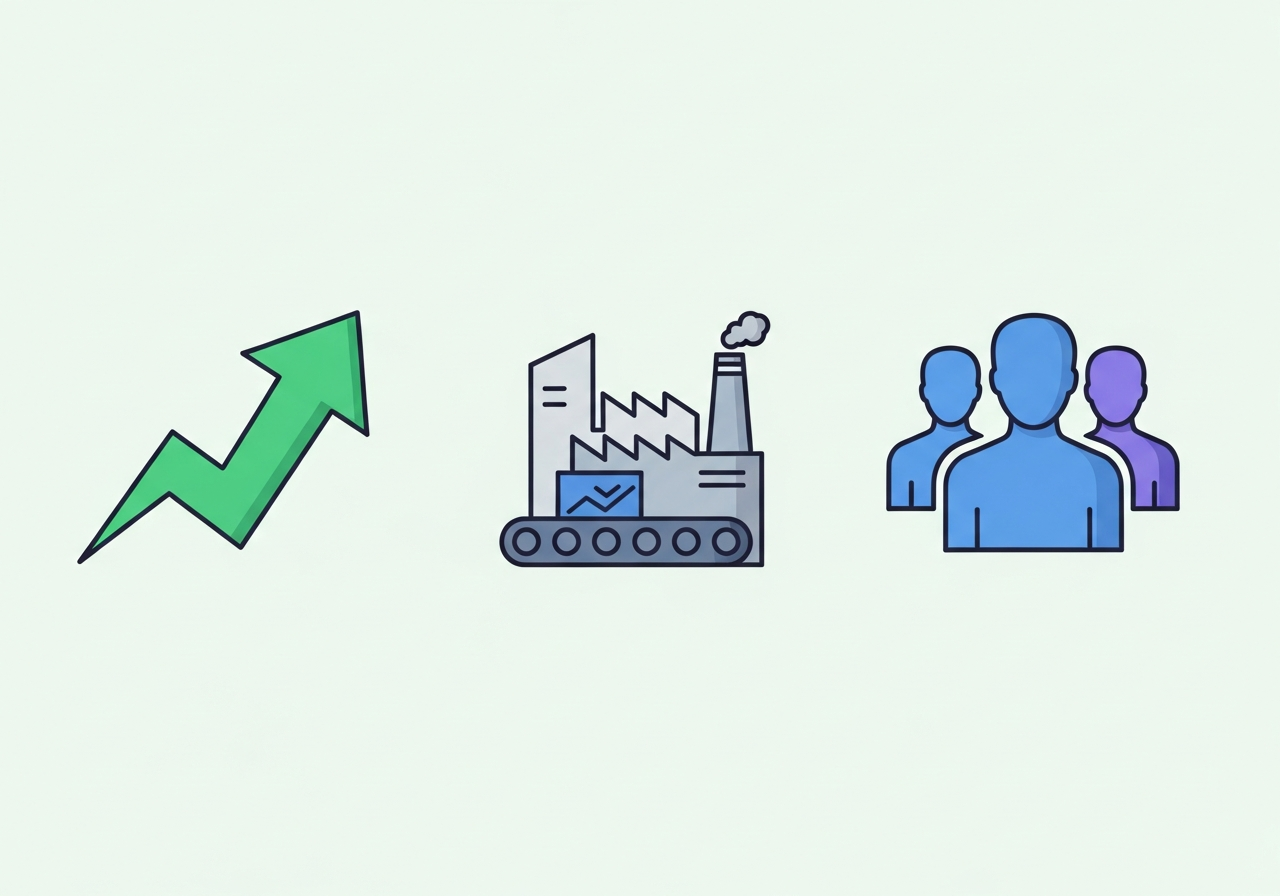
Characteristics of the Growth Stage:
- Rapid Sales Growth: The product moves beyond early adopters to capture a broader audience.
- Higher Production: To meet demand, businesses increase production and streamline supply chains.
- Heightened Competition: Other players may enter the market with similar products.
Example: Streaming services like Netflix experienced rapid growth in the early 2010s as more households adopted online streaming over cable TV. Competitors like Hulu and Amazon Prime Video soon followed, leading to a surge in offerings.
Strategies for Success:
- Leverage customer feedback to improve the product and user experience.
- Expand market presence through partnerships and new distribution channels.
- Strengthen branding and messaging to establish dominance over competitors.
During the Growth Stage, businesses must carefully monitor the product life cycle in marketing to ensure they capitalize on rising demand.
Stage 4: Maturity
Eventually, sales will begin to decline, either due to market changes, innovation from competitors, or reduced consumer interest. This is the Decline Stage of the product life cycle in marketing.
Characteristics of the Maturity Stage:
- Stabilized Sales: Revenue plateaus as the product captures most of its target market.
- Intense Price Competition: Businesses may reduce pricing to remain competitive.
- Market Saturation: There is limited room for acquiring new customers.
Example: Soft drinks like Coca-Cola and Pepsi have been in the maturity stage for decades. They maintain their market positions through aggressive branding, product diversification, and promotional campaigns.
Strategies for Success:
- Differentiate through incremental product improvements (e.g., new flavors or features).
- Optimize marketing campaigns to retain existing customers.
- Explore new markets or demographics to extend the product’s reach.
Stage 5: Decline
Eventually, sales will begin to decline, either due to market changes, innovation from competitors, or reduced consumer interest. This is the Decline Stage of the product life cycle.
Characteristics of the Decline Stage:
- Falling Revenue: Demand drops as the product becomes less relevant or outdated.
- Reduced Profits: Lower sales lead to thinner profit margins.
- Discontinuation Risk: Businesses may choose to phase out the product entirely.
Example: DVD players entered the decline stage when streaming services like Netflix and YouTube became the norm for watching movies.
Strategies for Success:
- Discontinue the product and reallocate resources to other projects.
- Pivot to niche markets that may still value the product.
- Revamp or rebrand the product to inject life into it (e.g., relaunching as a collector’s edition or bundling it with other products).
Understanding the product life cycle in marketing during the Decline Stage is crucial for determining whether to phase out or reinvigorate the product.
Why Marketers Need to Track the Product Life Cycle
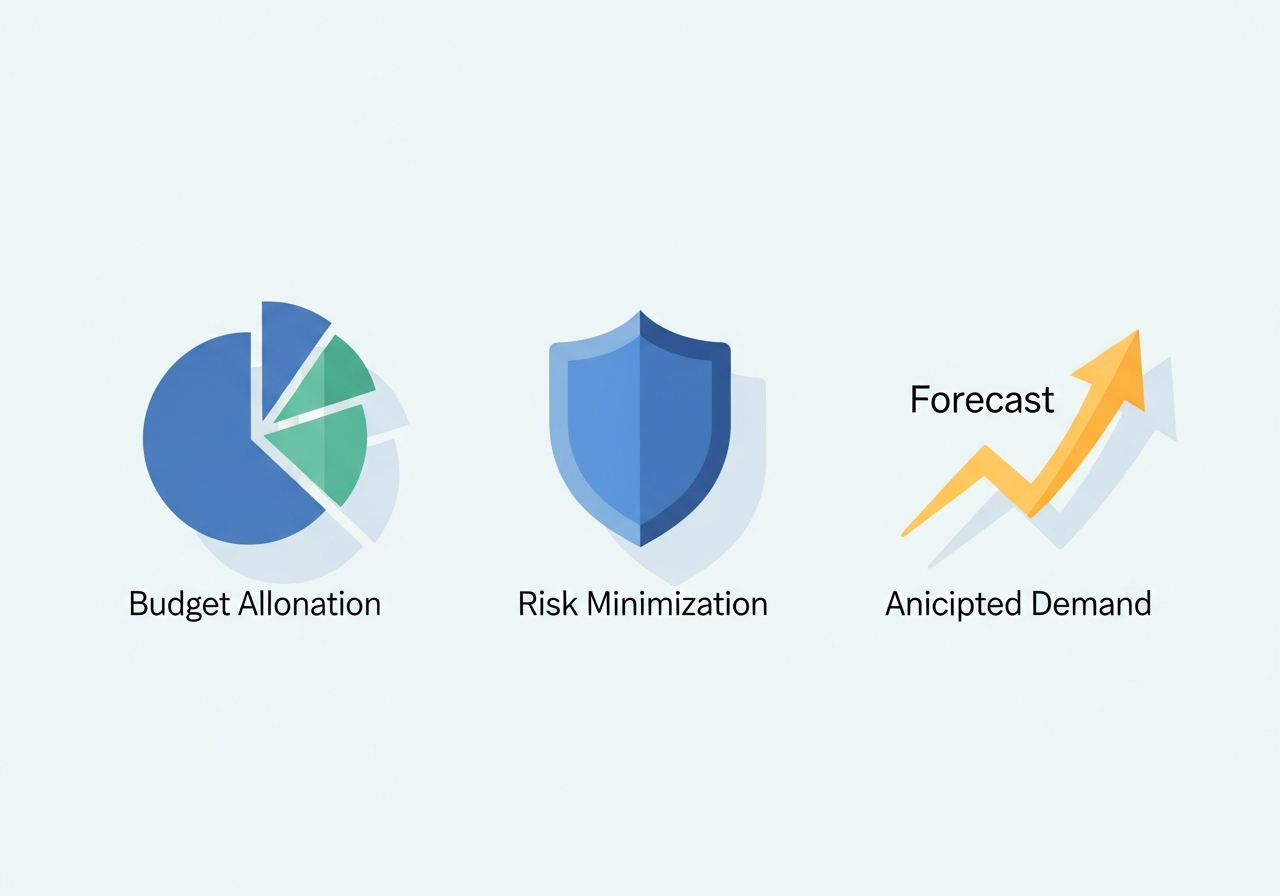
The product life cycle in marketing serves as a blueprint for planning effective marketing campaigns and ensuring long-term product success. By understanding which stage your product is in, you can:
- Allocate your budget strategically to maximize ROI.
- Minimize risks associated with market shifts and competition.
- Anticipate the ebb and flow of consumer demand.
Whether you’re launching a flashy new tech gadget or running a timeless fashion brand, the PLC provides critical insights to future-proof your marketing strategies.
Plan Smarter with the Product Life Cycle
We use that phrase because mastering the product life cycle in marketing is more than tracking what the market does. It’s about controlling how your product evolves in a changing environment. Spotting the indicators of every stage and taking learned marketing actions are the keys to staying ahead and ensuring that you always have something appealing to offer.
Focus on these PLC techniques, and you can watch while your marketing efforts blossom.
FAQ: What Is the Product Life Cycle in Marketing?
1. What is the product life cycle (PLC) in marketing?
The product life cycle (PLC) refers to the journey a product goes through from development to market success and eventual phase-out. It consists of five stages: Product Development, Introduction, Growth, Maturity, and Decline. Understanding the PLC helps businesses make smarter marketing decisions and optimize profitability at each stage.
2. Why is the product life cycle important for marketers?
The PLC is crucial because it guides marketing strategies, such as pricing, promotion, and distribution, at each stage. By understanding where your product is in its life cycle, you can allocate resources effectively, manage competition, and anticipate consumer demand.
3. What are the five stages of the product life cycle?
The five stages of the product life cycle are:
- Product Development: The product is being created, tested, and refined.
- Introduction: The product is launched, and awareness is built.
- Growth: Sales increase, and market share expands.
- Maturity: Growth slows, and competition intensifies.
- Decline: Sales decrease, and the product may be phased out.
4. What happens during the Product Development stage?
In the Product Development stage, ideas are turned into a physical product. This includes market research, prototyping, testing, and refining the product before launching it to consumers. This phase is resource-intensive and carries risks, as it may take time to see returns.
5. How can I succeed during the Introduction stage?
In the Introduction stage, focus on building awareness and generating interest. Use strategies like introductory pricing, public relations campaigns, and targeted marketing to attract early adopters. This stage often involves high costs but is crucial for setting the foundation for future success.
6. What is the key to success in the Growth stage?
During the Growth stage, your product is gaining traction. Focus on scaling production, expanding distribution channels, and differentiating your product to stay ahead of competitors. Customer feedback is also crucial for making improvements and enhancing user experience.
7. How do you handle the Maturity stage?
In the Maturity stage, the market becomes saturated, and sales growth slows. To succeed, you’ll need to differentiate your product through features, updates, or rebranding. At this point, retaining existing customers and maximizing profitability is key.
8. What happens during the Decline stage?
During the Decline stage, sales decrease due to market saturation, competition, or changing consumer preferences. Businesses may choose to phase out the product, target niche markets, or attempt to revitalize the product through rebranding or bundling with other products.
9. Can a product skip stages in its life cycle?
Yes, not all products follow the same path. Some products may skip stages or move through them rapidly. For example, fads or trendy items often experience quick growth followed by a sharp decline. On the other hand, established brands like Coca-Cola can remain in the maturity stage for decades.
10. How does tracking the product life cycle impact marketing strategies?
By tracking where your product is in its life cycle, you can make informed decisions on where to focus your marketing efforts and budget. For example, during the Introduction stage, you might prioritize awareness campaigns, whereas during Maturity, you might focus on customer retention strategies and promotions.
11. How can businesses extend the life of a product in the Decline stage?
To extend a product’s life during the Decline stage, businesses can innovate with new features, target niche markets, or reposition the product through rebranding. Alternatively, they may choose to phase out the product gradually and reallocate resources to more profitable ventures.
12. Can tracking the product life cycle help with competition?
Yes, understanding the product life cycle allows businesses to anticipate when competition will intensify and adjust strategies accordingly. For instance, during the Growth stage, you can strengthen your branding and USP to ward off emerging competitors.
Learn more about: The Role of SEO in Product Marketing Content