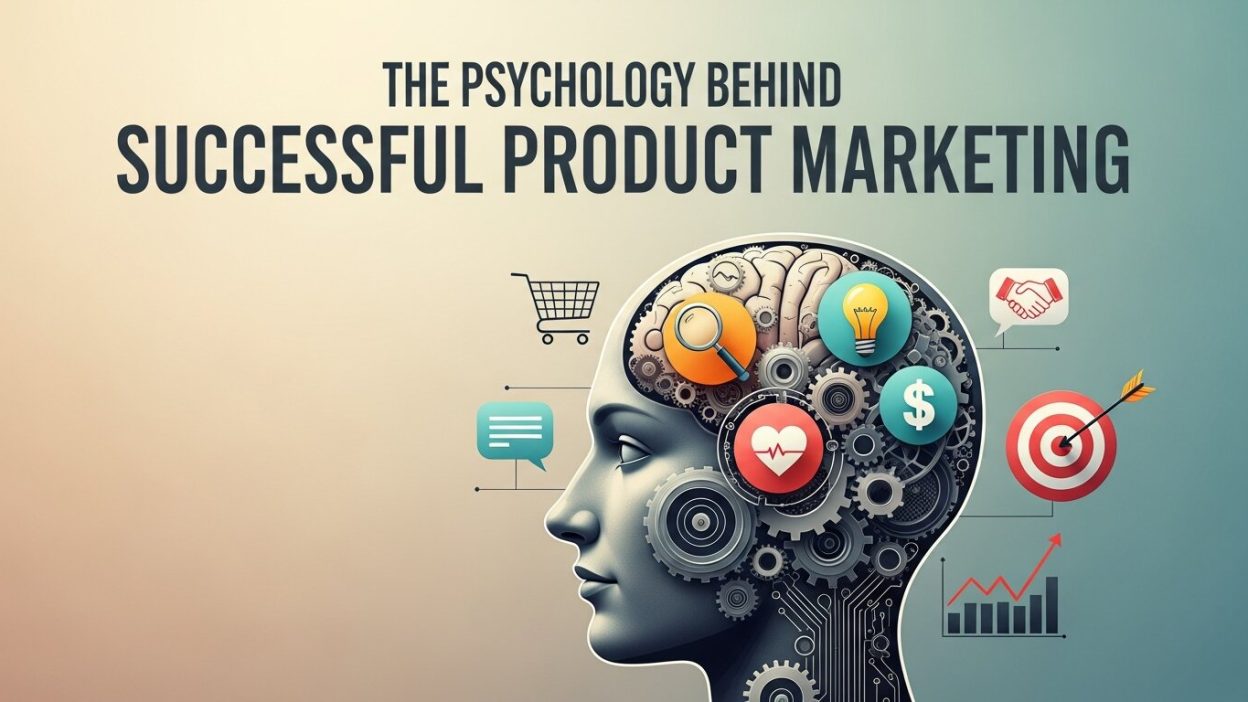
The psychology of product marketing blends emotion, cognition, and behavior to drive engagement. Understanding these principles helps brands craft effective campaigns, build trust, and influence decisions, ensuring lasting impact and stronger consumer relationships.
Understanding the psychology of product marketing is essential for brands aiming to connect with consumers on a deeper level. By analyzing human behavior, motivations, and decision-making patterns, marketers can craft campaigns that resonate emotionally and cognitively. Implementing psychological principles ensures products not only attract attention but also drive engagement, loyalty, and long-term customer satisfaction.
Understanding Consumer Behavior
The foundation of the psychology of product marketing lies in understanding consumer behavior. Consumers make decisions based on emotions, perceptions, and social influences. By analyzing buying patterns, marketers can identify triggers that motivate purchases. For example, scarcity and urgency often increase perceived value, while social proof enhances trust. Understanding these psychological principles allows brands to design campaigns that align with customer needs and desires. Additionally, segmentation helps tailor messaging to specific audiences, improving engagement. Recognizing cognitive biases, such as anchoring or the decoy effect, allows marketers to present products strategically. A deep grasp of consumer behavior ensures that marketing strategies resonate on a psychological level, making campaigns more effective and memorable.
The Role of Emotions in Marketing
Emotions play a critical role in the psychology of product marketing. Emotional responses often drive purchasing decisions more than logic. Positive emotions like happiness, trust, or excitement create strong connections with a brand, encouraging loyalty and repeat purchases. Storytelling, imagery, and persuasive copy tap into these emotions effectively. Marketers use techniques like nostalgia, humor, or fear of missing out (FOMO) to influence behavior subtly. By appealing to emotions, campaigns can create memorable experiences that resonate beyond the initial interaction. Understanding how emotions affect decision-making helps marketers craft messages that engage both the heart and mind. Emotional engagement enhances brand perception and increases the likelihood of product adoption and long-term customer satisfaction.
Cognitive Biases and Marketing Strategies
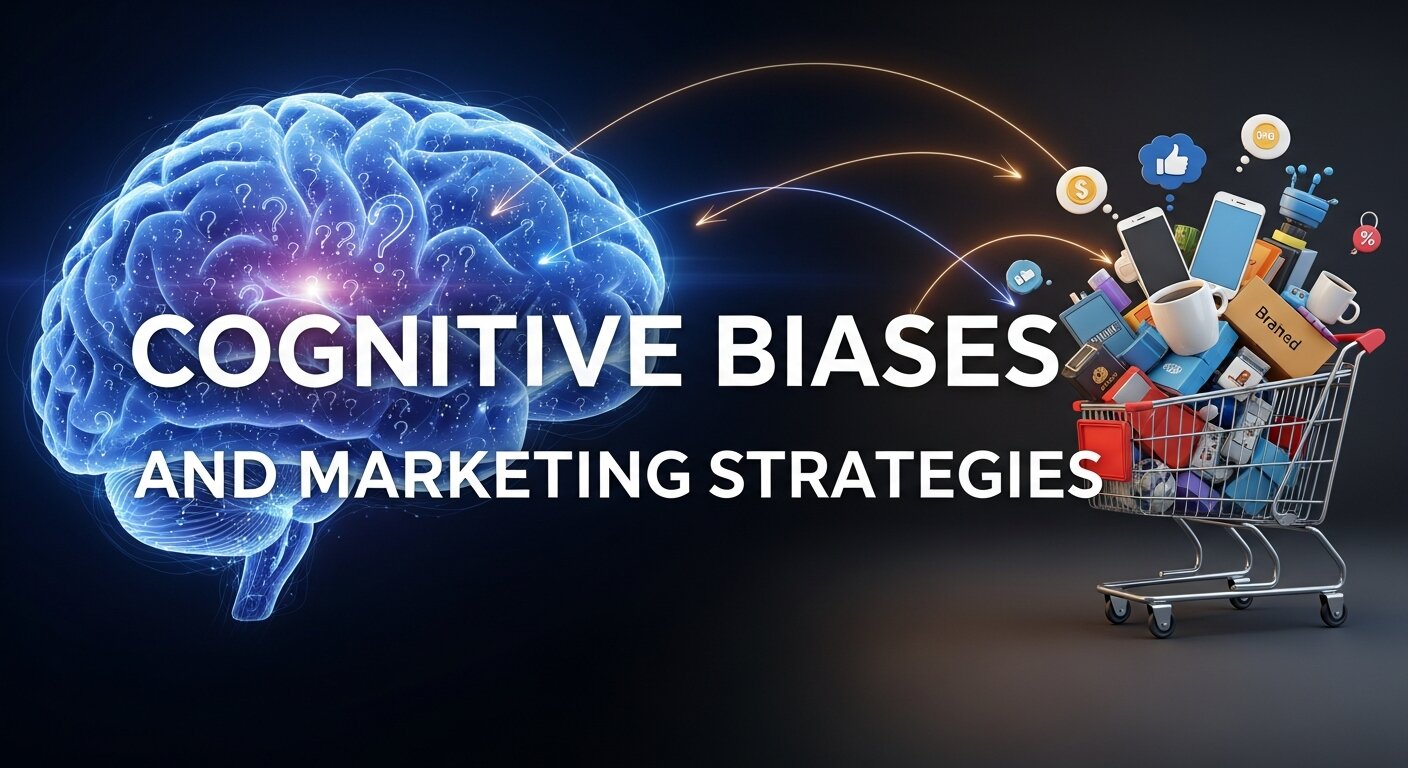
Cognitive biases significantly impact the psychology of product marketing. Marketers leverage these mental shortcuts to influence decisions subtly. For example, the anchoring effect makes customers rely heavily on initial information, such as original prices, when evaluating offers. The scarcity principle creates urgency, prompting quicker purchases. Similarly, social proof, like reviews and testimonials, encourages trust and reduces decision-making anxiety. By understanding these biases, marketers design campaigns that align with natural human tendencies. Using nudges, comparisons, and carefully structured choices helps products appear more appealing. Implementing cognitive bias strategies ensures campaigns are psychologically informed, increasing conversions and customer engagement while maintaining ethical standards. A competitive analysis in product marketing can also reveal which biases competitors exploit effectively.
Color Psychology in Branding
Color influences perception and emotions, making it a key tool in the psychology of product marketing. Different colors evoke specific feelings and associations: blue conveys trust, red stimulates urgency, and green signifies growth or health. Choosing the right color palette enhances brand recognition and impacts consumer behavior subconsciously. Packaging, website design, and advertising visuals benefit from color psychology by reinforcing brand messaging. Consistency in color usage builds familiarity, encouraging brand loyalty. Marketers also consider cultural differences, as color meanings vary across regions. Integrating color psychology thoughtfully ensures visual elements complement marketing strategies. For instance, incorporating video marketing strategies can leverage color and motion to influence emotions effectively.
Pricing and Perceived Value
Pricing strategies are rooted in the psychology of product marketing. Consumers perceive value based on price cues, comparisons, and context. Techniques like charm pricing ($9.99 instead of $10) or premium pricing create perceived affordability or quality. Discounts and limited-time offers leverage urgency and scarcity, increasing purchase likelihood. Anchoring higher-priced items alongside standard products makes them appear more reasonable. Subscription models and bundling also influence perceived value, encouraging higher engagement. Understanding how pricing affects perception allows marketers to position products strategically, aligning with consumer expectations and motivations. By integrating psychological insights into pricing, brands can maximize revenue while maintaining consumer trust and satisfaction, balancing affordability with desirability. Outbound marketing strategies also help highlight pricing advantages to targeted audiences.
Social Proof and Influencer Marketing
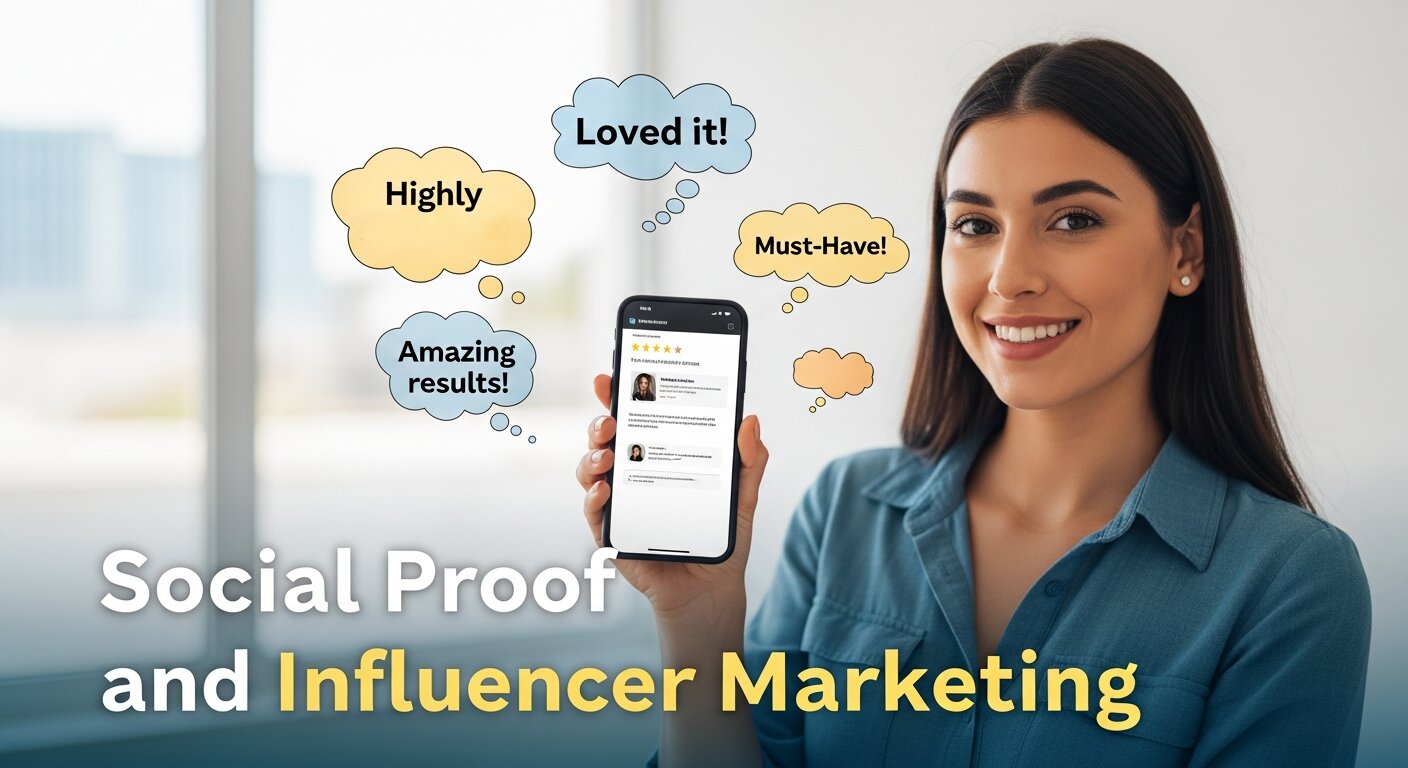
Social proof is a powerful element in the psychology of product marketing. Consumers often rely on others’ opinions to make decisions. Reviews, testimonials, ratings, and user-generated content build credibility and trust. Influencer marketing campaigns amplify this effect by providing relatable endorsements from authoritative or aspirational figures. Seeing others adopt a product reduces perceived risk and encourages new customers to follow suit. Brands use social proof strategically across social media, e-commerce sites, and advertising campaigns to enhance authenticity. Understanding its psychological impact helps marketers foster trust, increase engagement, and drive conversions. Social proof, combined with influencer marketing campaigns, creates a persuasive environment that subtly guides consumer decisions while reinforcing brand reputation and credibility.
The Power of Storytelling
Storytelling is central to the psychology of product marketing. Narratives evoke emotions, create connections, and make messages memorable. Effective stories position the product as a solution to a problem, aligning with consumer desires and aspirations. By integrating relatable characters, conflicts, and resolutions, marketers engage both logic and emotion, increasing the likelihood of action. Stories can also convey brand values, building loyalty and trust over time. Digital platforms like videos, blogs, and social media amplify storytelling’s reach. Understanding narrative psychology allows marketers to craft messages that resonate, ensuring campaigns are not just informative but emotionally compelling. Strategic storytelling transforms products from commodities into meaningful experiences, often enhanced by video marketing strategies.
Trust and Brand Loyalty
Building trust is fundamental in the psychology of product marketing. Consumers are more likely to engage with and purchase from brands they perceive as reliable, authentic, and transparent. Trust fosters brand loyalty, reduces hesitation, and encourages repeat purchases. Marketers can enhance trust by providing consistent messaging, showcasing customer reviews, delivering high-quality products, and engaging in ethical practices. Loyalty programs and reward systems further strengthen the emotional bond, ensuring customers feel valued. By understanding the psychological drivers behind trust and loyalty, marketers can create campaigns that resonate deeply, turning first-time buyers into long-term advocates and enhancing overall brand perception in a competitive marketplace.
Key Strategies:
- Transparent communication and ethical marketing
- Consistent brand messaging across channels
- Reward and loyalty programs
- Displaying customer testimonials and reviews
| Technique | Benefit | Example |
|---|---|---|
| Customer Testimonials | Builds credibility | Website review section |
| Loyalty Programs | Encourages repeat purchases | Points or rewards system |
| Transparent Policies | Reduces purchase hesitation | Clear return/refund policies |
| Consistent Branding | Strengthens recognition & trust | Uniform design and messaging |
Behavioral Triggers in Marketing
Behavioral triggers are essential in the psychology of product marketing. Triggers like scarcity, urgency, personalization, and reciprocity guide consumer behavior effectively. Limited-time offers, countdown timers, and personalized recommendations encourage faster decisions, while reciprocity—such as free trials or gifts—boosts engagement and loyalty. Marketers also use anchoring and framing to influence perception subtly. Applying these tactics ethically ensures campaigns are persuasive without overwhelming audiences. Additionally, competitive analysis in product marketing helps identify which triggers work best within the industry, allowing brands to craft campaigns that are both impactful and user-friendly, driving higher conversions and lasting impressions.
Neuromarketing Techniques
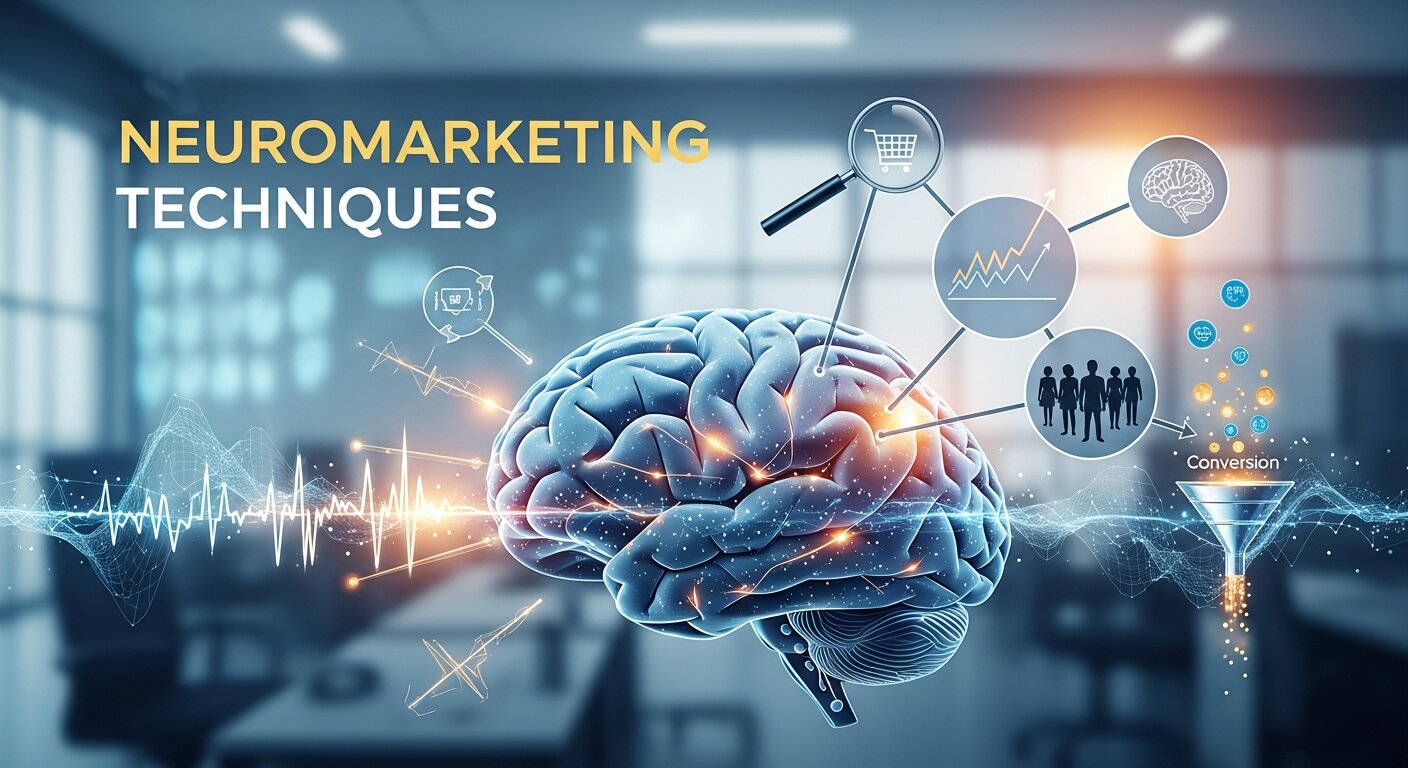
Neuromarketing applies neuroscience insights to the psychology of product marketing. By studying brain responses to visuals, sounds, and messaging, marketers identify what truly captures attention and drives action. Techniques like eye-tracking, EEG, and facial coding reveal emotional and cognitive reactions to campaigns. Understanding subconscious processing helps optimize advertisements, packaging, and user experiences. For instance, highlighting reward signals or using appealing imagery can increase desire and engagement. Neuromarketing ensures strategies are scientifically informed, enhancing effectiveness while reducing guesswork. Brands using these methods gain deeper insights into consumer preferences, allowing for precise targeting and messaging. Integrating neuromarketing strengthens the psychological appeal of products, improving both emotional connection and conversion rates. Outbound marketing strategies can complement these insights for broader campaign reach.
Personalization and Customer Experience
Personalization is a key aspect of the psychology of product marketing. Consumers respond positively when products, messages, and offers are tailored to their preferences, increasing engagement and loyalty. By analyzing behavior, purchase history, and demographics, marketers can deliver customized experiences that feel relevant and valuable. Personalization also enhances emotional connections, making customers feel understood. Integrating personalized emails, product recommendations, and dynamic content strengthens trust and encourages repeat purchases.
Key Strategies:
- Segment audiences based on behavior and demographics
- Use dynamic content and product recommendations
- Implement personalized email campaigns
- Track engagement to refine personalization
| Technique | Benefit | Example |
|---|---|---|
| Personalized Emails | Higher open and click rates | Birthday offers |
| Product Recommendations | Increased conversion | “Customers also bought” |
| Dynamic Website Content | Improved engagement | Location-based promotions |
| Behavioral Retargeting Ads | Boosted ROI | Abandoned cart campaigns |
The Future of Product Marketing

The psychology of product marketing will continue evolving as technology and consumer behavior advance. Artificial intelligence, data analytics, and behavioral insights are shaping hyper-personalized marketing that anticipate individual needs and preferences. Virtual and augmented reality offer immersive experiences, engaging consumers’ emotions and senses in unprecedented ways. Brands that integrate psychological principles with cutting-edge technology will create stronger connections, more meaningful interactions, and higher conversion rates. Understanding how human behavior interacts with emerging platforms ensures marketing strategies remain relevant, effective, and adaptive, positioning businesses for success in a rapidly changing, consumer-driven landscape.
Conclusion
Mastering the psychology of product marketing allows brands to connect with consumers on a deeper, more meaningful level. By leveraging emotions, cognitive biases, social proof, storytelling, and behavioral triggers, marketers can craft strategies that drive engagement, trust, and conversions. Understanding how customers think and feel ensures campaigns resonate naturally, enhancing brand loyalty and long-term success. Integrating psychological insights into marketing efforts transforms products from mere commodities into experiences that inspire action and build lasting relationships.
Frequently Asked Questions
1. What is the psychology of product marketing?
The psychology of product marketing studies how consumers think, feel, and decide when interacting with products. It helps brands design strategies that influence behavior, emotions, and perception, ensuring campaigns resonate and drive engagement, loyalty, and conversions.
2. Why is understanding consumer behavior important in marketing?
Consumer behavior insights are central to the psychology of product marketing. Understanding preferences, motivations, and decision-making patterns allows marketers to craft personalized messages, improve targeting, and enhance emotional engagement, ultimately boosting sales and customer satisfaction.
3. How do emotions influence purchasing decisions?
Emotions are critical in the psychology of product marketing. Positive feelings like excitement, trust, and joy motivate buying, while fear or urgency can trigger action. Emotional connections create loyalty, making campaigns more memorable and effective.
4. What role does social proof play in marketing?
Social proof leverages human tendencies to follow others. In the psychology of product marketing, reviews, testimonials, and influencer endorsements increase trust, reduce hesitation, and encourage purchasing decisions by demonstrating credibility and acceptance by peers.
5. How can cognitive biases be used ethically in marketing?
Cognitive biases, such as scarcity or anchoring, guide decision-making in the psychology of product marketing. Used ethically, they help consumers make informed choices while enhancing engagement and perceived value without manipulating or misleading the audience.
6. Why is personalization important in product marketing?
Personalization enhances the psychology of product marketing by making customers feel understood. Tailored messages, product recommendations, and dynamic content increase engagement, trust, and repeat purchases, improving both brand perception and conversion rates.
7. How does storytelling improve marketing effectiveness?
Storytelling taps into human emotions, a key element of the psychology of product marketing. By presenting relatable narratives, marketers create memorable experiences, foster brand loyalty, and influence consumer decisions more effectively than factual promotions alone.
8. What is the impact of pricing on perceived value?
Pricing affects perception in the psychology of product marketing. Techniques like charm pricing, bundling, and discounts influence perceived affordability and quality, guiding decisions and increasing sales while aligning with consumer expectations.
9. How does neuromarketing enhance marketing strategies?
Neuromarketing studies brain responses to optimize campaigns. In the psychology of product marketing, it identifies what captures attention, evokes emotion, and drives action, helping brands create more persuasive, effective, and targeted marketing strategies.
10. What future trends will shape product marketing?
The future of the psychology of product marketing involves AI, AR/VR, gamification, and predictive analytics. These technologies, combined with behavioral insights, create personalized, immersive experiences that engage consumers, boost loyalty, and drive innovative campaigns.