A product line groups related products to meet customer needs and strengthen brand identity. Proper management enhances sales, loyalty, and market share, making product lines essential for business growth and strategic success.
Product line refers to a group of related products offered by a company under a single brand. These products share similar features, target markets, or purposes. Companies use product lines to meet diverse customer needs, increase brand loyalty, and simplify marketing. Understanding how a product line works is essential for businesses aiming to expand efficiently and strategically.
Definition of Product Line
A collection of related products is sold by a company based on function, target audience, or price range. Each item meets specific customer needs while maintaining consistent branding. For example, a cosmetics company may offer skincare products such as moisturizers, cleansers, and serums. Businesses manage these offerings to optimize marketing, inventory, and sales strategies. Expanding or adjusting the range helps attract new customers while retaining loyal ones. A well-organized assortment reinforces brand identity, improves operational efficiency, and ensures that the company can respond effectively to changing market demands.
Importance of Product Line
A strong range of offerings helps businesses meet diverse customer needs while maintaining brand integrity. Companies can create specialized products targeting different market segments. For example, a tech company may offer laptops ranging from entry-level to premium models. Effective management ensures consistent quality, pricing, and brand messaging. Expanding the product assortment can increase market share and strengthen customer loyalty. Additionally, a well-planned range simplifies advertising and promotions, as products are marketed under a unified theme. Businesses that neglect strategic planning for their offerings risk missing growth opportunities and losing competitiveness in the market.
Types of Product Lines
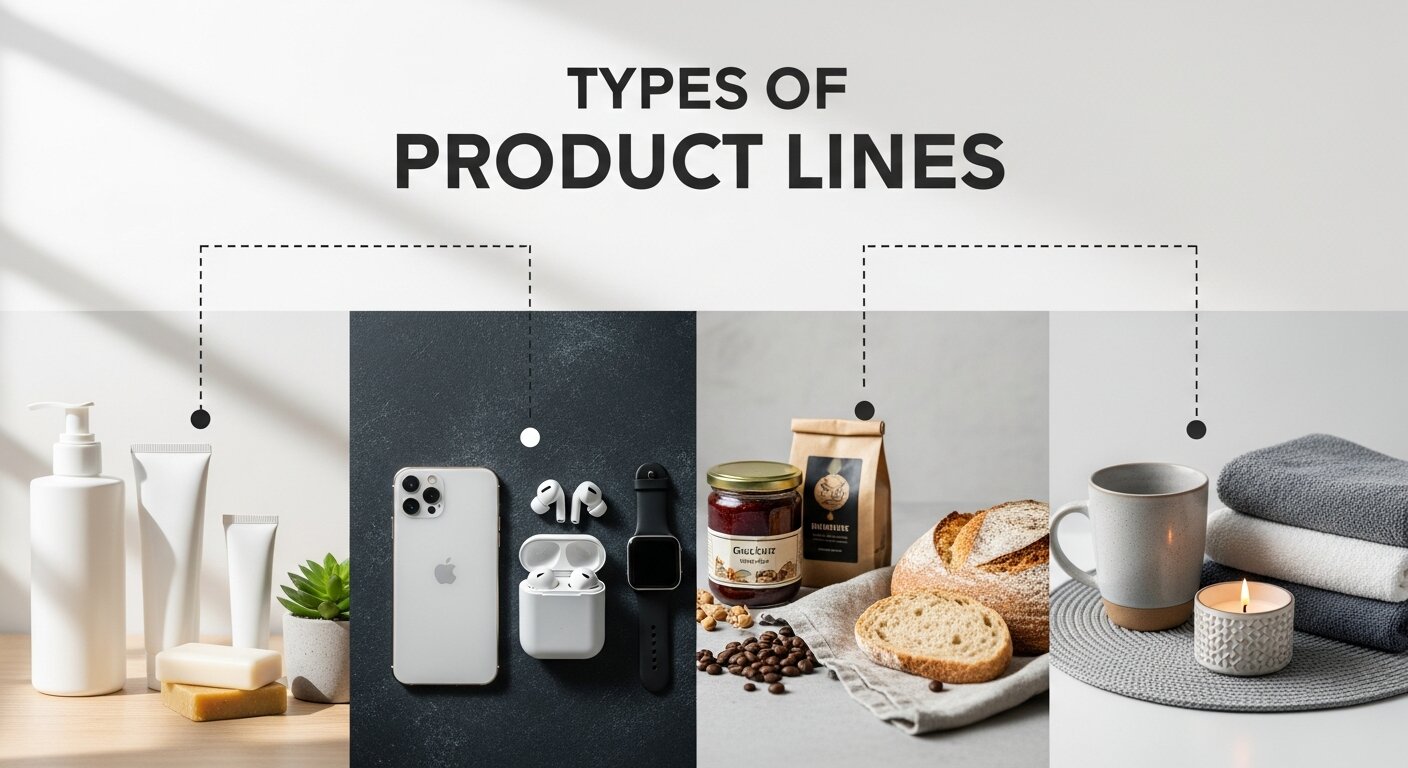
Businesses can adopt several types of offerings to meet market needs. Horizontal categories include products at the same price with different features or styles, like a shoe brand offering multiple colors. Vertical categories cover products with varying quality and price, such as economy, mid-range, and premium smartphones. Full ranges include all possible variations customers might want, while limited selections offer only specific options. Each type serves a distinct purpose, helping companies target specific market segments effectively. Choosing the right type is crucial for growth and for planning an effective Product Marketing Strategy that strengthens brand presence.
Examples of Product Lines
Many companies organize and market their offerings by grouping related products. For example, Apple’s laptops include the MacBook Air and MacBook Pro to serve different users, while Coca-Cola offers Coke, Diet Coke, and Coke Zero. Nike’s footwear range includes running shoes, casual sneakers, and basketball shoes. These examples show how businesses diversify products while maintaining a strong brand identity. Companies can also engage customers through Interactive Campaigns, such as contests or social media events tied to specific offerings. Providing a variety of products allows businesses to meet diverse customer needs, increase revenue, and strengthen brand recognition in competitive markets.
Product Line Strategies
Companies adopt specific strategies to maximize the impact of their product offerings. Stretching involves expanding products to new price levels, either higher or lower. Filling adds new items within an existing range to address gaps or attract additional customers. Modernization updates older products to align with current trends and market demand. These strategies help maintain relevance and competitiveness. Choosing the right approach ensures offerings meet customer expectations and boost sales. Implementing proper Product Distribution Strategies ensures products reach target markets efficiently. Effective management strengthens brand positioning, encourages cross-selling, and allows businesses to respond quickly to changing market conditions.
Advantages of Product Lines
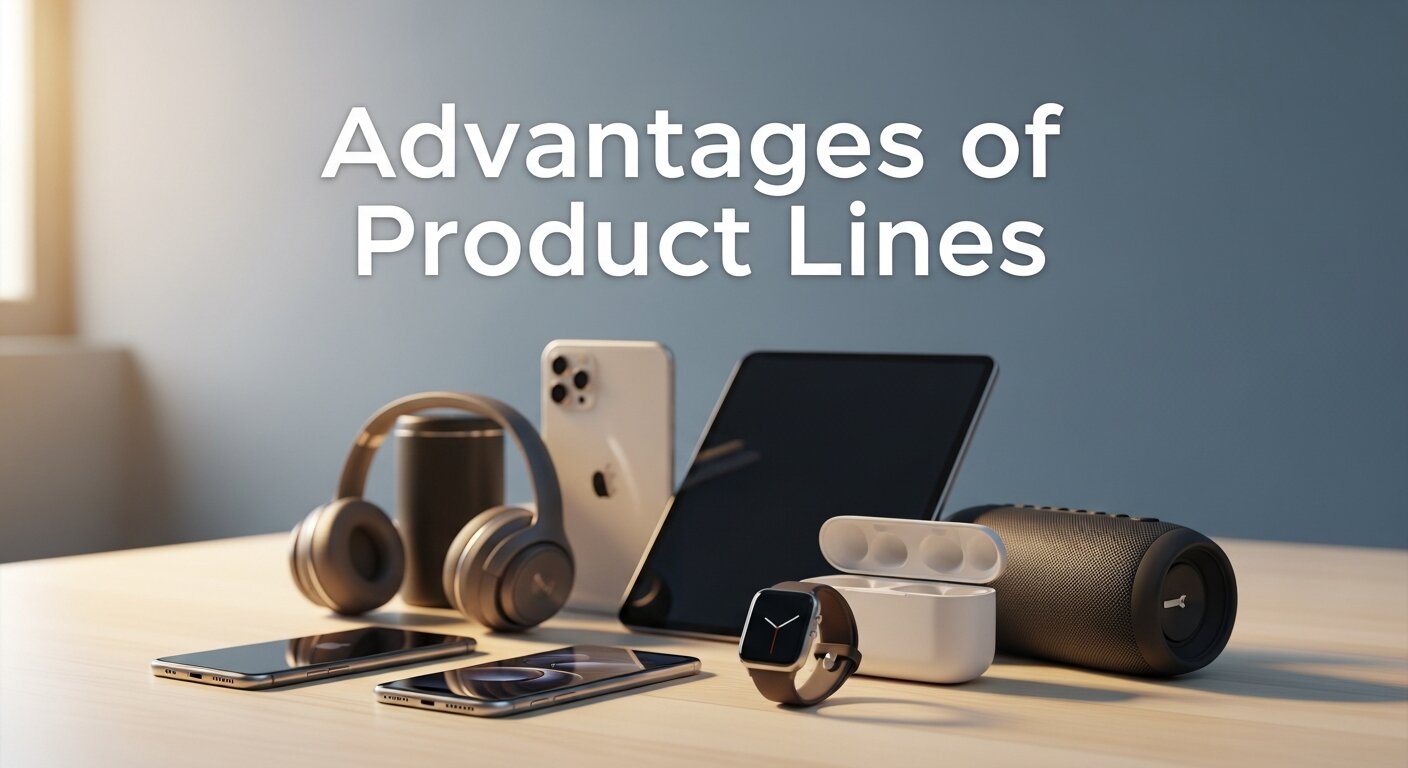
A well-developed product line offers numerous advantages. It allows businesses to attract a wider customer base by catering to different needs. Expanding a product line can increase sales and market share without introducing a new brand. Marketing multiple products under one line is cost-efficient and reinforces brand identity. Additionally, a strong product line builds customer loyalty and trust as customers recognize consistent quality. Businesses benefit from operational efficiencies, easier inventory management, and strategic placement. Overall, a robust product line supports growth, competitiveness, and long-term sustainability in dynamic markets. A carefully planned Product Marketing Strategy amplifies these advantages.
Challenges in Managing Product Lines
While beneficial, managing a product line comes with challenges. Expanding too quickly can lead to overstock, higher costs, and brand confusion. Maintaining consistent quality across all items is essential; failure can harm reputation. Companies must balance product variety and market demand to avoid cannibalization. Competitive pressures require continuous innovation within a product line. Strategic planning, market research, and customer feedback are critical for effective management. Businesses that navigate these challenges successfully achieve sustainable growth and maximize the value of their product line. Proper use of Product Distribution Strategies can mitigate some challenges by ensuring products reach the right customers efficiently.
Integrating Technology in Product Lines
Technology plays a critical role in managing modern product offerings. Companies leverage analytics, automation, and digital tools to track sales, monitor trends, and forecast demand. Online platforms support efficient distribution strategies and personalized marketing campaigns. AI and machine learning optimize inventory, reduce waste, and identify opportunities for expanding the range of products. Digital campaigns and e-commerce integration allow seamless customer interaction, enhancing engagement and satisfaction. By adopting technology-driven approaches, businesses can manage complex inventories efficiently, improve decision-making, and respond quickly to market changes, ensuring their offerings remain competitive, profitable, and aligned with evolving customer expectations.
Best Practices for Managing a Product Line
Effective management of a product line ensures consistent quality, steady growth, and high customer satisfaction. Key best practices involve maintaining brand consistency, conducting regular market research, strategically expanding offerings, and optimizing inventory to meet demand efficiently and strengthen overall performance:
- Maintain Brand Consistency: Ensure all products reflect the brand’s quality and values.
- Regular Market Research: Adapt the product line based on trends and customer feedback.
- Strategic Expansion: Add products thoughtfully to avoid cannibalization.
- Inventory Optimization: Balance supply and demand across the product line.
| Practice | Purpose | Example |
|---|---|---|
| Brand Consistency | Build trust and loyalty | Same packaging design |
| Market Research | Identify trends and gaps | Customer surveys |
| Strategic Expansion | Grow revenue without overlap | Add premium product variant |
| Inventory Optimization | Reduce stockouts and waste | Demand forecasting software |
Product Line Lifecycle
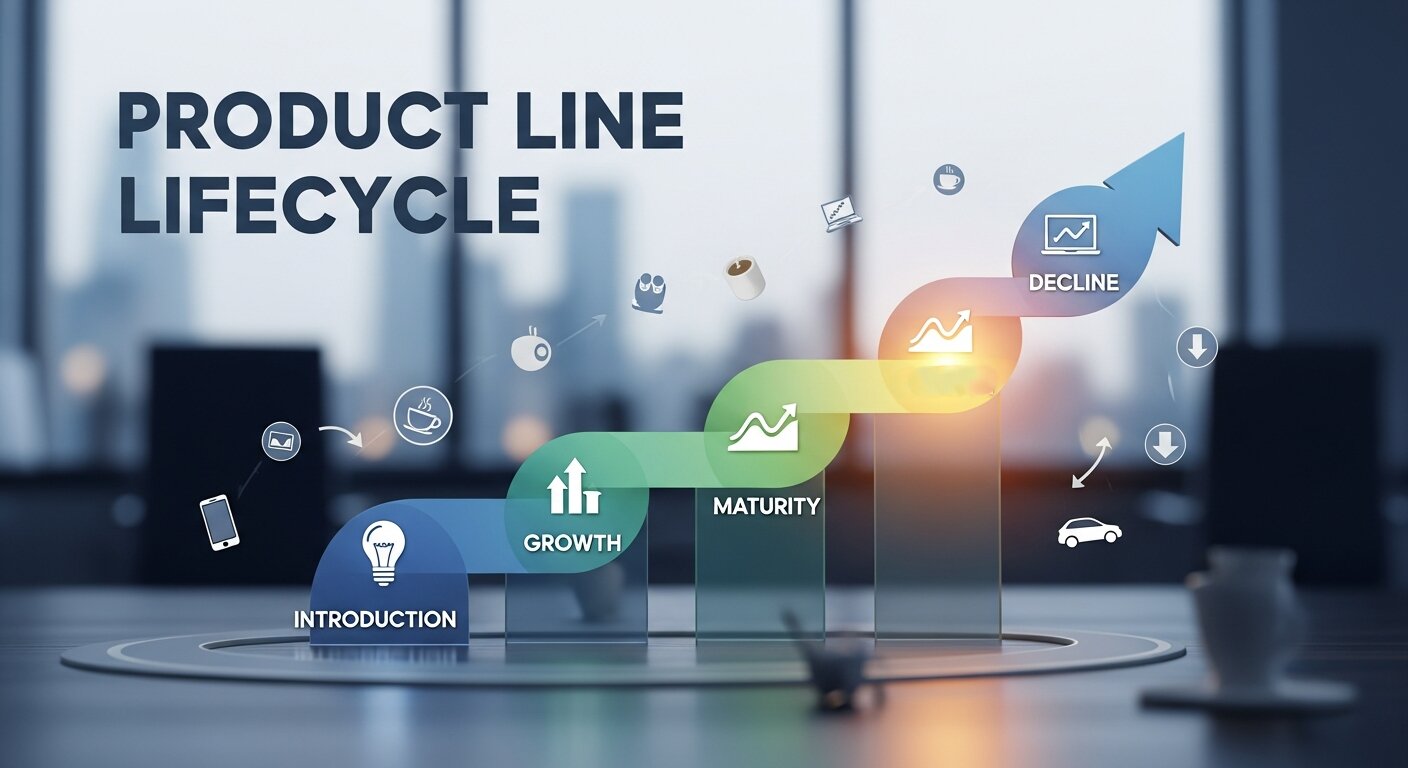
Every product line goes through a lifecycle, including introduction, growth, maturity, and decline. Understanding this lifecycle helps businesses plan marketing, production, and expansion strategies. During the introduction phase, awareness campaigns and promotions are critical. Growth requires scaling operations and possibly extending the line. In maturity, companies optimize profitability and maintain market share. Decline may lead to phasing out or modernizing products. Monitoring the product line lifecycle ensures timely decisions, avoids losses, and maintains brand reputation. Effective lifecycle management allows businesses to innovate, stay competitive, and maximize revenue across all stages of a product line.
How to Expand a Product Line
Expanding a product line involves understanding customer needs, market trends, and gaps in current offerings. Companies may introduce new features, styles, or price ranges to attract more customers. For example, a beverage company may add sugar-free or flavored variants to its line. Market research helps identify opportunities while avoiding cannibalizing existing products. Effective marketing ensures new additions complement the product line without confusing customers. Regular evaluation of sales and feedback informs adjustments. Strategic expansion strengthens brand presence, enhances customer loyalty, and increases revenue in a competitive marketplace. Incorporating Interactive Campaigns can help promote new additions effectively.
Product Line vs Product Mix
A group of related products offered under a single brand is often distinguished from the overall assortment a company provides, which includes all categories of offerings. For example, a smartphone company may offer phones, tablets, and accessories, which together form the complete assortment. Understanding this distinction is crucial for strategic planning, marketing, and inventory management. Companies can optimize each category individually by focusing on target customers, pricing, and promotional strategies while maintaining a cohesive overall assortment. Proper management of these product groups strengthens brand identity, improves competitiveness, and ensures that the full range of offerings meets market demands effectively.
How to Evaluate a Product Line

Evaluating is crucial to ensure products meet customer needs and generate profits. Regular assessment identifies underperforming items, uncovers opportunities for improvement, and ensures the product line remains competitive, relevant, and aligned with business goals:
- Sales Performance: Track revenue generated by each product.
- Market Demand: Analyze customer preferences and trends.
- Profit Margins: Compare costs versus returns.
- Customer Feedback: Collect reviews and satisfaction scores.
| Product Name | Sales ($) | Profit Margin (%) | Customer Rating (1–5) | Status |
|---|---|---|---|---|
| Product A | 50,000 | 30 | 4.5 | Active |
| Product B | 20,000 | 15 | 3.8 | Needs Review |
| Product C | 35,000 | 25 | 4.2 | Active |
Future of Product Lines
The future of product offerings is increasingly influenced by technology, personalization, and sustainability. Companies will use data-driven insights to create tailored products that meet individual customer preferences. Subscription models and digital integration will transform how items are marketed and delivered. Sustainability will encourage eco-friendly materials and ethical production, appealing to socially conscious buyers. Artificial intelligence and automation will improve efficiency in managing complex inventories, forecasting demand, and enhancing customer engagement. Businesses that innovate and adapt their offerings to evolving trends will maintain competitiveness, strengthen brand value, and drive long-term growth in rapidly changing markets.
Conclusion
A well-planned product line is crucial for business growth, brand loyalty, and market competitiveness. By offering related products that meet diverse customer needs, companies can expand their reach and maximize revenue. Effective management of a product line involves strategic planning, market research, and innovation to maintain quality and relevance. As markets evolve, adapting and expanding product lines ensures businesses stay competitive, strengthen customer relationships, and achieve long-term success in a dynamic business environment.
Frequently Asked Questions
1. What is a product line?
It refers to a group of related products offered by a company under a single brand. These products meet different customer needs while maintaining consistent quality and identity, helping businesses improve marketing efficiency and boost sales opportunities.
2. How does a product line differ from a product mix?
This concept focuses on a single category of related offerings, while a product mix includes all categories a company provides. Understanding the difference helps plan inventory, marketing strategies, and expansion decisions more effectively to meet customer demands.
3. Why are product lines important?
Grouping related products helps businesses reach multiple customer segments, increase revenue, and build brand loyalty. It simplifies marketing, ensures consistent quality across offerings, and allows the introduction of new variations to strengthen overall brand recognition.
4. What are examples of product lines?
Companies like Apple, Nike, and Coca-Cola use this approach successfully. Examples include Apple’s laptops, Nike’s footwear, and Coca-Cola’s beverages, showing how related products under one brand can satisfy customer needs while maintaining a consistent brand identity.
5. What types of product lines exist?
There are horizontal categories (same price, different features), vertical categories (different quality and pricing), full ranges (all possible variations), or limited selections (only some options). Each type helps businesses target specific market segments strategically.
6. How can companies expand a product line?
Expansion can involve adding new features, introducing products at different price points, or filling gaps in the existing range. Market research, customer feedback, and competitor analysis guide decisions to ensure offerings remain relevant and profitable.
7. What are the benefits of a product line?
A well-organized group of related products increases revenue, improves customer loyalty, strengthens brand recognition, and allows for more efficient marketing. Offering multiple options satisfies diverse needs and gives businesses a competitive advantage.
8. What challenges exist in managing product lines?
Challenges include over-expansion, inconsistent quality, customer confusion, and internal competition between products. Businesses must carefully plan, monitor performance, and maintain quality standards to preserve profitability and a positive brand reputation.
9. How are product line strategies applied?
Strategies include stretching (adding new price points), filling (introducing items within existing ranges), or modernizing (updating current offerings). These approaches help meet customer demand, attract new buyers, and maintain a competitive position in the market.
10. What is the future of product lines?
The future emphasizes personalization, sustainability, and digital integration. Companies will use AI, data analytics, and eco-friendly practices to create tailored offerings, enhance customer experience, and stay relevant in evolving markets and consumer trends.