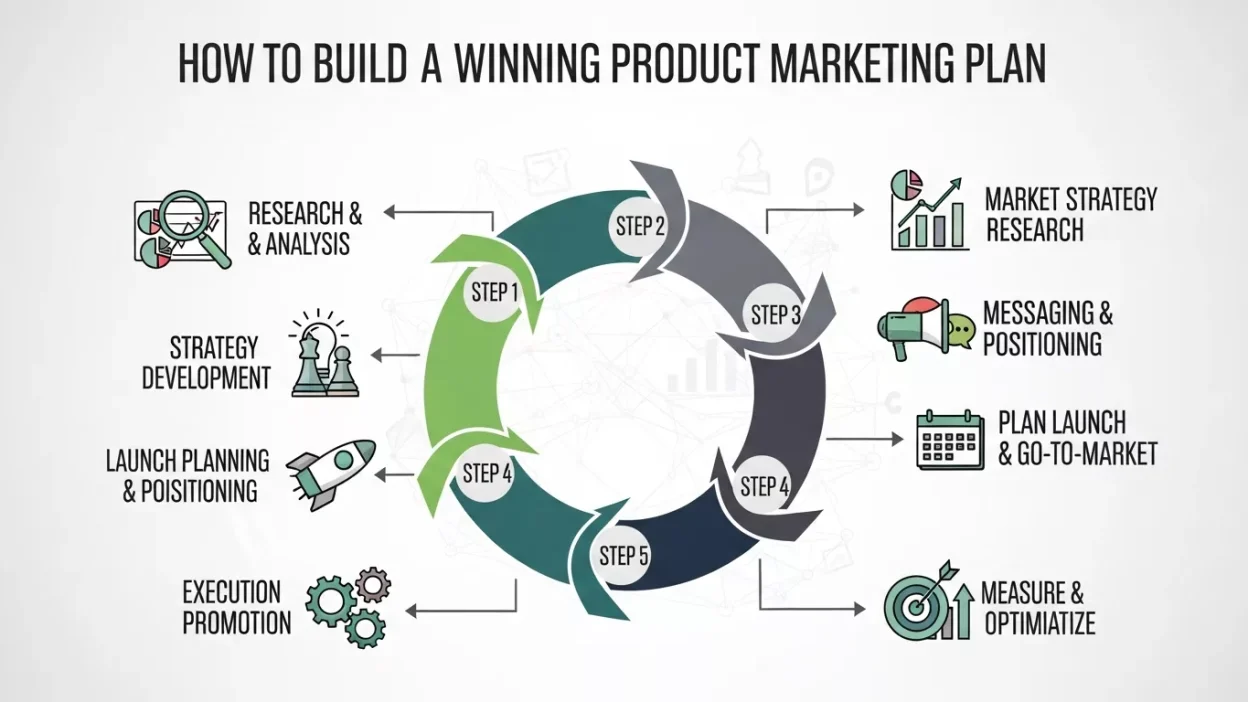
A product marketing plan connects product, sales, and customers through research, messaging, and strategy. By aligning teams, optimizing content, mapping customer journeys, and continuously improving post-launch performance, businesses can drive successful product launches and long-term growth.
You can have the most innovative, bug-free, and visually stunning software on the market, but without a clear strategy to bring it to your buyers, it will likely sit on a virtual shelf collecting dust. A great product does not automatically guarantee sales. You need a dedicated roadmap that connects what your engineers built with the people who actually need it.
This roadmap is your product marketing plan. It serves as the strategic bridge between product development and market success. Creating this plan requires deep research, tight cross-functional alignment, and a clear understanding of human behavior. You have to know exactly who is buying, why they care, and how your internal teams will work together to make the launch a success.
Many companies treat product marketing as an afterthought, scrambling to throw together a few blog posts and a press release days before launch. This approach almost always leads to confusion, missed revenue targets, and a disconnected customer experience. A well-documented product marketing plan prevents this chaos. It forces your team to answer the hard questions early on, ensuring every department is moving in the same direction.
Building this plan might seem daunting, especially if you are coordinating multiple teams or launching in a crowded market. However, breaking the process down into manageable components makes it entirely achievable. This guide will walk you through every critical phase of building a product marketing plan, from identifying your core audience to tracking your success post-launch.
What Exactly is a Product Marketing Plan?
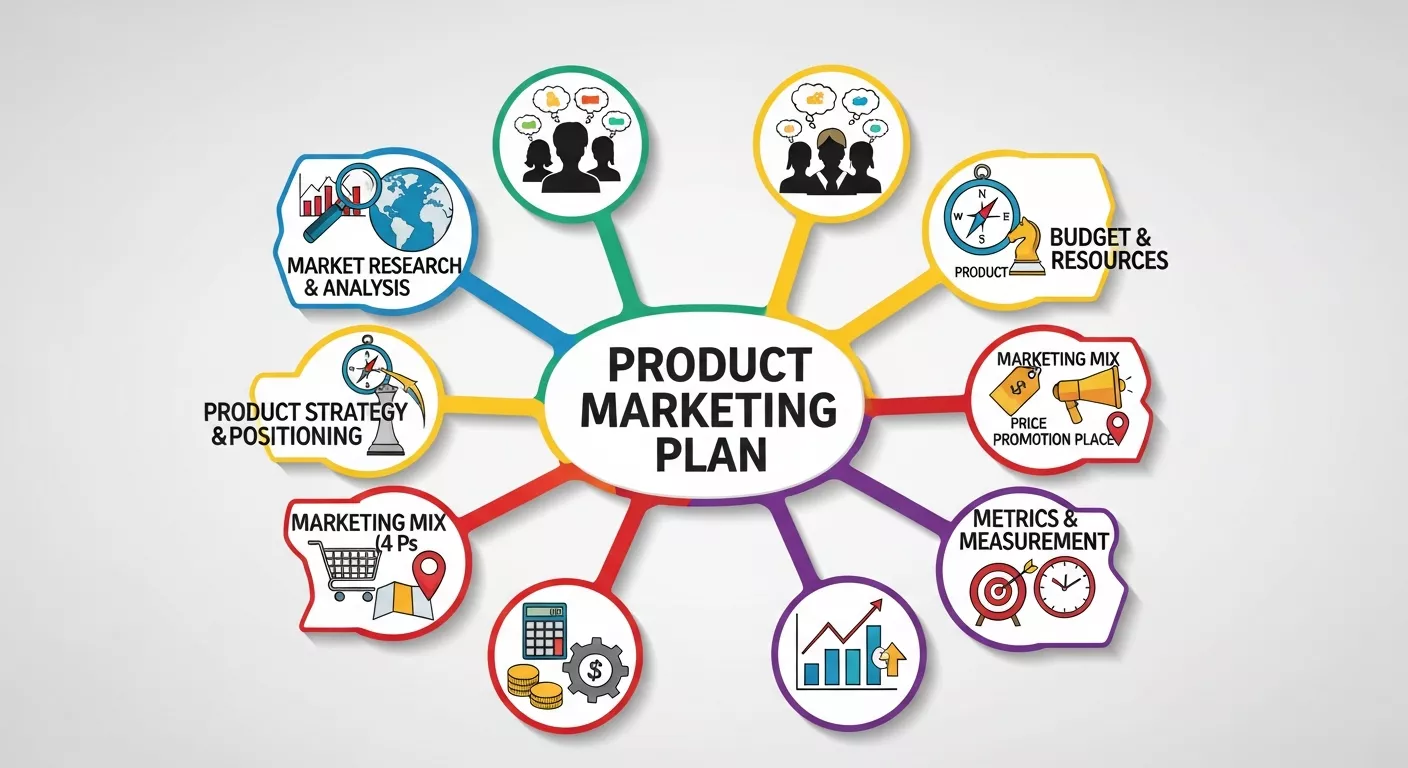
A product marketing plan is a comprehensive document that outlines how you will bring a specific product to market, promote it, and drive sales. Unlike a general marketing plan, which focuses on overall brand awareness and lead generation for the entire company, a product marketing plan homes in on a single product or feature set.
It defines the product’s positioning, messaging, target audience, and launch strategy. It also outlines the responsibilities of various teams, including product management, sales, customer success, and general marketing. By clearly documenting these elements, the plan ensures that everyone understands the product’s value proposition and how to communicate it to the outside world.
The Core Components of a Product Marketing Plan
Every successful product marketing plan shares a few foundational elements. Missing even one of these components can leave your strategy vulnerable to competitors or cause your messaging to fall flat.
Target Audience and Buyer Personas
You cannot sell a product if you do not know who you are selling to. This section of your plan must go beyond basic demographics. You need to outline specific buyer personas, detailing their daily challenges, goals, preferred communication channels, and purchasing power. Understanding your audience at a granular level allows you to tailor your messaging so it speaks directly to their pain points.
Market Research and Competitive Analysis
Your product does not exist in a vacuum. Your potential customers are likely looking at other solutions, deciding which one best fits their needs. A thorough competitive analysis identifies your direct and indirect competitors, their pricing models, their strengths, and their weaknesses. This research helps you find your unique angle in the market.
Product Positioning and Messaging
Positioning is where your product sits in the minds of your consumers relative to competing products. Are you the budget-friendly alternative? The premium, feature-rich enterprise solution? Once you define your positioning, you create your messaging framework. This includes your core value proposition, elevator pitch, and the specific soundbites your sales team will use on calls.
Pricing and Packaging Strategy
How much will you charge for the product? Will you offer a subscription model, a one-time fee, or a freemium tier? Your pricing strategy must align with your target audience’s willingness to pay and your product’s perceived value. The product marketing plan should clearly outline these tiers and the psychological reasoning behind them.
Go-to-Market (GTM) Strategy
The GTM strategy is the execution phase. It details the specific marketing channels you will use (such as email, paid ads, webinars, or PR) to generate demand. It also includes the timeline of activities leading up to launch day and the immediate weeks following it.
Step-by-Step Guide to Creating Your Plan
With the core components understood, you can begin drafting your strategy. Follow these steps to build a comprehensive and actionable product marketing plan.
Step 1: Define Clear Goals and KPIs
Start with the end in mind. What does a successful launch look like for this product? Set specific, measurable, achievable, relevant, and time-bound (SMART) goals. These might include a target number of new sign-ups in the first 30 days, a specific revenue milestone, or a certain percentage of existing customers adopting the new feature.
Step 2: Conduct Deep Customer Research
Do not assume you know what your customers want. Get on the phone with them, send out surveys, and analyze support tickets. Look for common threads in their frustrations. This qualitative data is invaluable for shaping your messaging. When your marketing materials use the exact words your customers use to describe their problems, your conversion rates will naturally increase.
Step 3: Develop Your Messaging Framework
Create a central document that holds all approved messaging for the product. Start with a core value proposition—a single, clear sentence that explains what the product does and why it matters. From there, develop three to four key benefits, supporting features for each benefit, and proof points (like statistics or beta tester quotes). This framework ensures that whether a customer reads a tweet, talks to a sales rep, or visits your landing page, the story remains consistent.
Step 4: Create Sales Enablement Materials
Your sales team is on the front lines, and they need the right tools to close deals. Work closely with sales leadership to determine what assets they need. Common sales enablement materials include pitch decks, battle cards (one-pagers comparing your product to specific competitors), email templates, and ROI calculators. Train the sales team on how to use these materials effectively before the product goes live.
Step 5: Execute and Iterate
Launch day is just the beginning. Once the product is in the wild, monitor your key performance indicators (KPIs) closely. Are people clicking your ads but failing to convert on the landing page? Is the sales team struggling to overcome a specific objection? Gather data quickly and be prepared to iterate on your messaging, channels, or even pricing based on real-world feedback.
Customer Journey Mapping for Product Success
Understanding the customer journey is essential for creating an effective product marketing plan. This process involves mapping every interaction a potential buyer has with your product—from initial awareness to final purchase and post-sale engagement. By identifying key touchpoints, businesses can tailor messaging and content for each stage of the journey. For example, educational content works best during awareness, while product demos and case studies are more effective during the decision stage. Customer journey mapping also helps identify friction points that may prevent conversions. Addressing these gaps improves user experience and increases the likelihood of turning prospects into loyal customers over time.
Content Strategy and Distribution Channels
A strong content strategy ensures your product reaches the right audience through the right channels. This includes creating blog posts, videos, landing pages, email campaigns, and social media content tailored to your buyer personas. Each piece of content should align with your product’s value proposition and address specific customer pain points.
Distribution is equally important. Organic channels like SEO and social media help build long-term visibility, while paid channels such as ads and influencer partnerships can drive immediate traffic. Repurposing content across multiple platforms maximizes reach and efficiency. A well-planned content strategy not only generates awareness but also nurtures leads and supports the sales process.
Post-Launch Optimization and Feedback Loop
Launching a product is just the beginning. Continuous optimization is required to maintain momentum and improve performance. Collecting feedback from customers, sales teams, and support staff provides valuable insights into how the product is being received in the market.
Analyze user behavior data, conversion rates, and engagement metrics to identify areas for improvement. Regular updates to messaging, pricing, or features may be necessary based on real-world usage. Creating a feedback loop ensures that insights are consistently fed back into product development and marketing strategies. This iterative approach helps refine your plan, improve customer satisfaction, and sustain long-term growth.
Alignment Between Marketing and Sales Teams
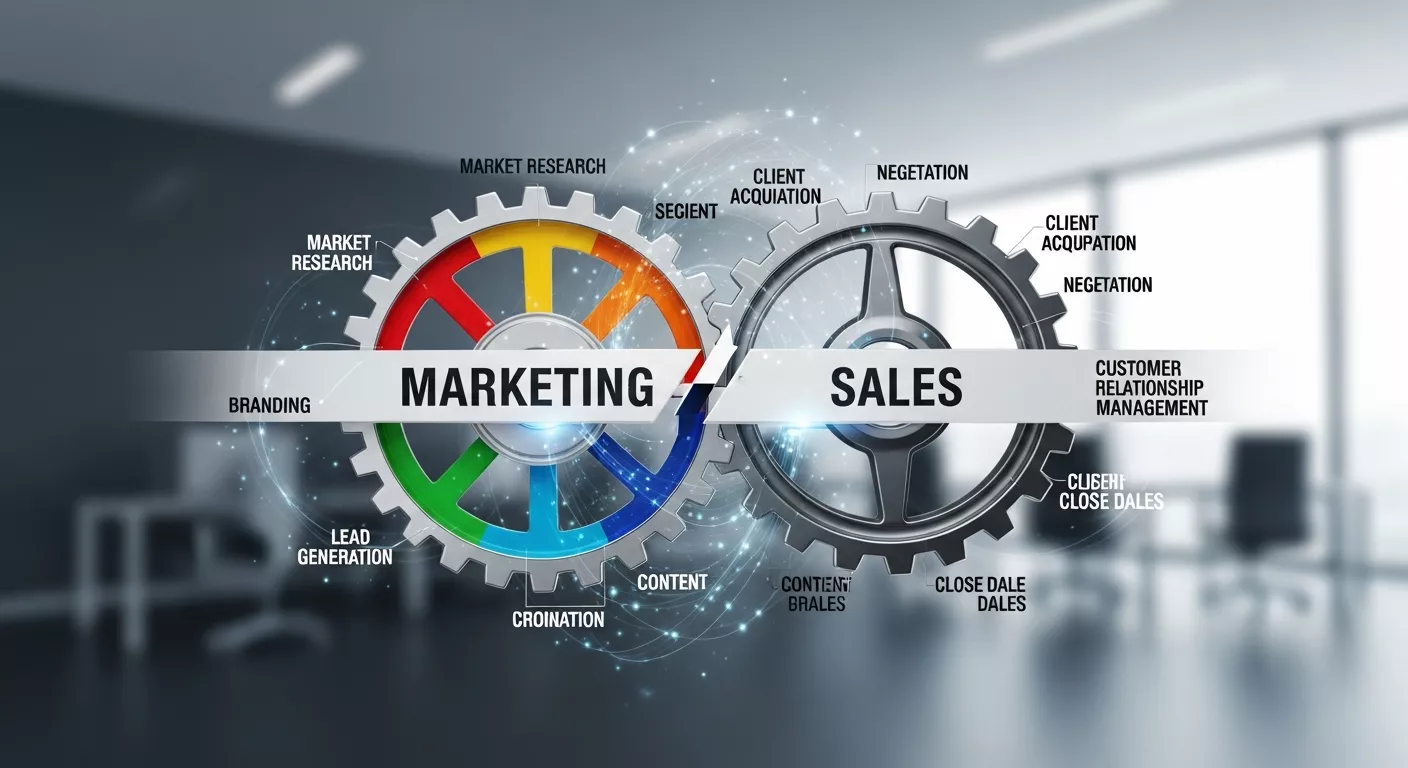
Strong alignment between marketing and sales teams is critical for executing a successful product marketing plan. Both teams must share a clear understanding of the product’s value proposition, target audience, and messaging. Misalignment can lead to inconsistent communication and lost sales opportunities.
Regular meetings, shared KPIs, and collaborative planning sessions help ensure both teams are working toward the same goals. Marketing should provide qualified leads and effective content, while sales offers direct customer insights and feedback. This collaboration creates a seamless customer experience, improves conversion rates, and strengthens overall business performance.
Frequently Asked Questions About Product Marketing Plans
1. What is the difference between product marketing and traditional marketing?
Traditional marketing focuses on promoting the company brand, acquiring leads, and driving broad awareness. It deals with the top of the funnel. Product marketing sits at the intersection of product, sales, and marketing. It focuses on understanding the product’s specific buyers, shaping the product’s positioning, and equipping the sales team with the tools needed to close deals for that specific product.
2. Who is ultimately responsible for creating the product marketing plan?
The Product Marketing Manager (PMM) typically owns the creation and execution of the plan. However, they cannot do it alone. The PMM must collaborate closely with Product Managers (who own the product roadmap), Sales Leaders (who own revenue targets), and the broader Marketing team (who execute campaigns) to ensure the plan is realistic and aligned with company goals.
3. When should you start writing a product marketing plan?
You should begin drafting the plan as soon as the product roadmap is solidified and the core features of the upcoming product are defined. Ideally, this is several months before the launch date. Starting early allows you enough time to conduct proper market research, refine messaging, and secure buy-in from other departments.
4. How much budget do you need for a product launch?
Budgets vary wildly depending on the size of the company, the significance of the product, and the target market. A major, tier-one product launch at an enterprise company might require hundreds of thousands of dollars for events, PR, and paid media. A smaller feature update at a startup might require zero budget, relying entirely on existing email lists, in-app notifications, and organic social media.
5. What are the most important metrics to track?
The metrics depend on your specific goals, but common KPIs include product adoption rate (how many users actually use the product), win rate (how often sales closes a deal involving the product), marketing qualified leads (MQLs) generated by the launch campaigns, and customer feedback scores (like NPS) post-launch.
6. How do you adjust if a launch fails to meet its goals?
First, do not panic. Dive into the data to identify the point of failure. If traffic was high but conversions were low, your messaging or pricing might be off. If traffic was low, your distribution channels might have failed. Talk to the sales team to see what objections they are hearing. Use this data to pivot your messaging, adjust your ad spend, or offer new promotional pricing.
7. How often should the product marketing plan be updated?
A product marketing plan is a living document. You should review it quarterly to ensure the positioning remains accurate against new competitors. It should also be updated whenever there is a significant change to the product, a shift in pricing strategy, or a major change in the overall market landscape.
8. What tools are best for managing product marketing?
For project management, tools like Asana, Monday.com, or Jira help keep cross-functional teams aligned. For market and competitor research, tools like Crayon, SEMrush, or G2 are excellent. For housing sales enablement assets and messaging frameworks, a centralized knowledge base like Notion, Highspot, or Seismic works best.
9. How does pricing strategy fit into the product marketing plan?
While Product Management or Finance often finalize the actual numbers, Product Marketing is deeply involved in pricing strategy. The product marketing plan must explain the “why” behind the price. It dictates how pricing is communicated to the customer, how discount structures are positioned by sales, and how the chosen pricing tier reflects the product’s premium or budget-friendly positioning in the market.
10. Can startups use the same product marketing plan structure as enterprise companies?
Yes, the foundational structure remains the same: you still need to know your audience, position your product, and plan your launch. However, startups should focus on agility. Their plans will likely be shorter, less rigid, and highly focused on rapid testing and iteration. Enterprise companies often require more extensive documentation to secure alignment across massive, global teams.
Your Next Steps for Launch Success
Creating a product marketing plan forces you to think critically about your product’s place in the world. It shifts the focus away from internal engineering achievements and places it squarely on customer value. By clearly defining your audience, crafting compelling messaging, and aligning your internal teams, you set the stage for a launch that actually drives revenue.
Take the time to answer the hard questions now. Sit down with your product managers, talk to your sales reps, and listen to your customers. Gather these insights, document your strategy, and give your product the launch it deserves.