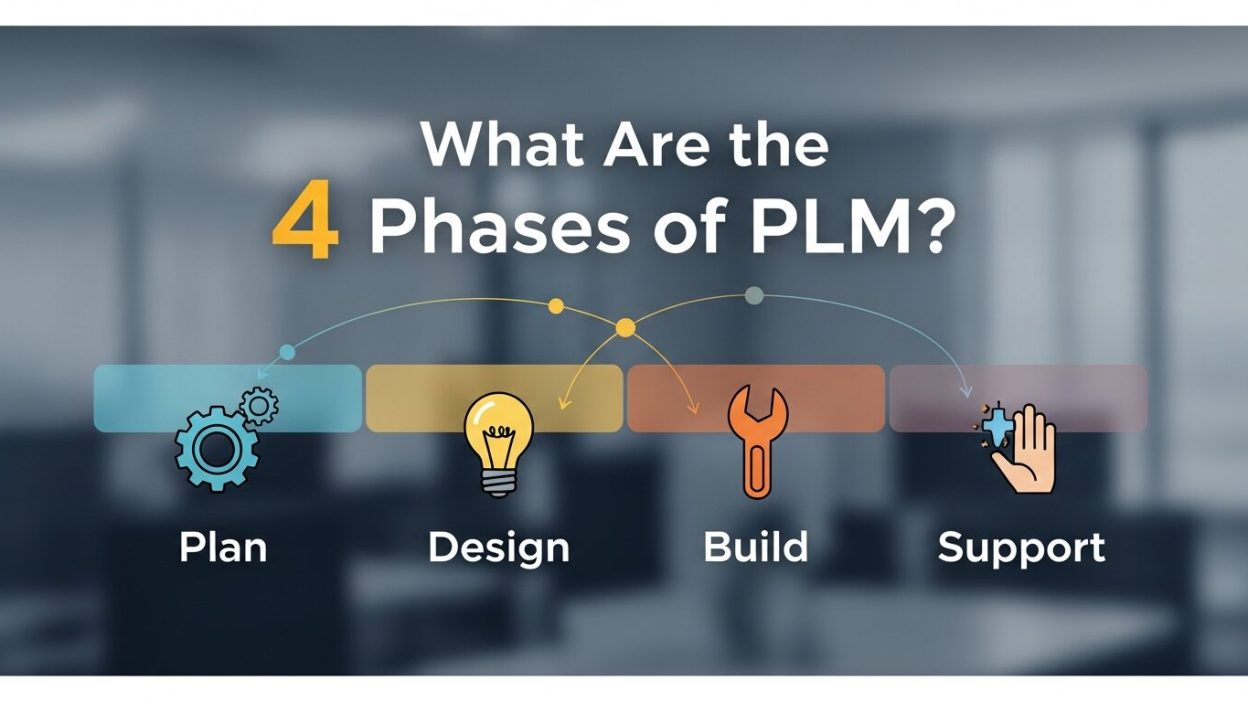
The Phases of PLM guide products from concept to retirement, ensuring efficiency, quality, and market success. Understanding these phases enhances collaboration, reduces costs, and drives innovation throughout the product lifecycle.
Understanding the Phases of PLM is crucial for successful product development and management. PLM, or Product Lifecycle Management, ensures that products are efficiently designed, developed, launched, and retired. Each phase has its specific objectives, tools, and strategies, helping businesses reduce costs, improve quality, and speed up time-to-market while maintaining innovation and compliance across the product lifecycle.
Concept Phase of PLM
The Concept Phase of PLM is the foundation of any product development journey. During this phase, businesses identify market needs, customer requirements, and feasibility studies. Ideas are brainstormed, evaluated, and prioritized based on potential ROI, technical feasibility, and market trends. Teams often use tools like market analysis, product concept modeling, and risk assessment frameworks. By focusing on the Phases of PLM, organizations ensure that only viable concepts proceed, reducing wasted resources. Clear documentation and cross-functional collaboration during this stage help set realistic objectives and lay the groundwork for smooth transitions into design and development, ensuring products align with both market demands and strategic business goals.
Design and Development Phase of PLM
The Design and Development Phase of PLM transforms product concepts into detailed designs. Engineers and designers create prototypes, CAD models, and simulations to validate functionality and aesthetics. This phase emphasizes collaboration between departments, including engineering, marketing, and quality assurance, to meet specifications and regulatory standards. Tracking revisions and maintaining a central repository of design data is critical in the Phases of PLM. Effective development reduces errors, accelerates testing, and ensures product readiness for manufacturing. By integrating feedback early, organizations can optimize materials, costs, and production processes. This phase lays a robust foundation for subsequent stages, enhancing efficiency and ensuring that the product meets customer expectations and aligns with strategic objectives.
Manufacturing Phase of PLM
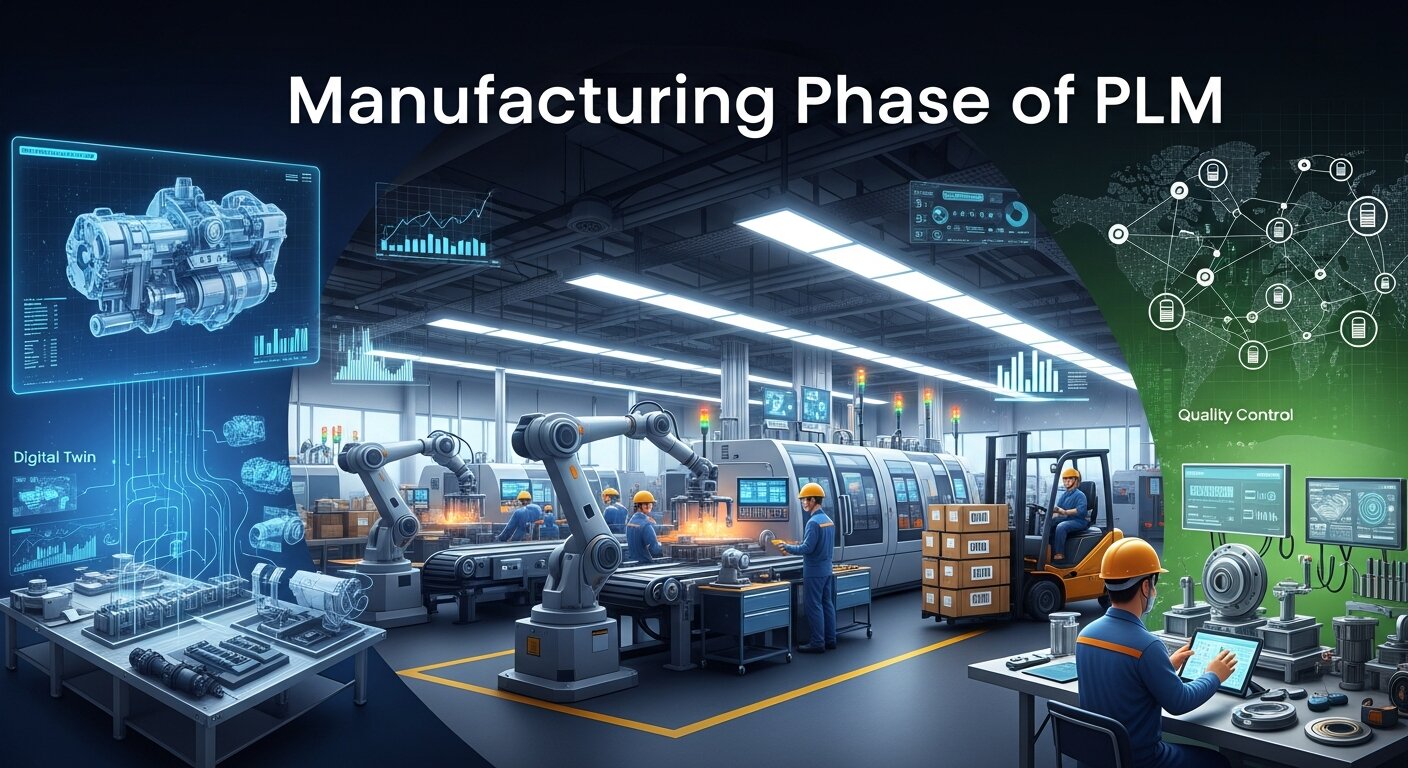
The Manufacturing Phase of PLM focuses on turning validated designs into market-ready products. Production planning, material procurement, and process optimization are key activities. Using PLM systems, businesses track manufacturing workflows, quality checks, and compliance requirements. The Phases of PLM ensure seamless communication between design and production teams, minimizing errors and delays. Real-time trend-marketing of manufacturing processes helps identify bottlenecks and maintain consistent product quality. Additionally, integrating supply chain data allows for better resource allocation and inventory management. Efficient execution during this phase reduces production costs, accelerates time-to-market, and strengthens customer satisfaction by delivering products on schedule. Businesses also align manufacturing strategies with Product Distribution Strategies to optimize delivery and market reach.
Testing and Validation Phase of PLM
The Testing and Validation Phase of PLM ensures that products meet quality, safety, and regulatory standards before launch. Products undergo rigorous functional testing, performance evaluation, and compliance checks. Feedback from testing is used to refine designs and optimize performance. Documenting results is a key part of the Phases of PLM, enabling traceability and informed decision-making. Early identification of defects prevents costly recalls and enhances reliability. Cross-functional teams collaborate to verify specifications, address issues, and finalize product readiness. Thorough testing not only improves product quality but also enhances customer confidence, ensuring that the final product aligns with both market expectations and organizational standards, providing a solid foundation for successful commercialization.
Launch Phase of PLM
The Launch Phase of PLM introduces the product to the market while coordinating marketing, sales, and distribution strategies. Teams finalize packaging, pricing, and promotional campaigns. Utilizing insights from earlier Phases of PLM, businesses ensure smooth product release and alignment with market demands. Training internal teams and partners ensures everyone understands product features and value propositions. Monitoring initial sales and customer feedback provides valuable data for future iterations. Effective launch strategies minimize risks and maximize product visibility. Coordination across departments and stakeholders ensures that launch activities are timely, cost-efficient, and impactful. This phase bridges product development and market adoption, ensuring the product successfully reaches customers and supports business growth objectives.
Maintenance Phase of PLM
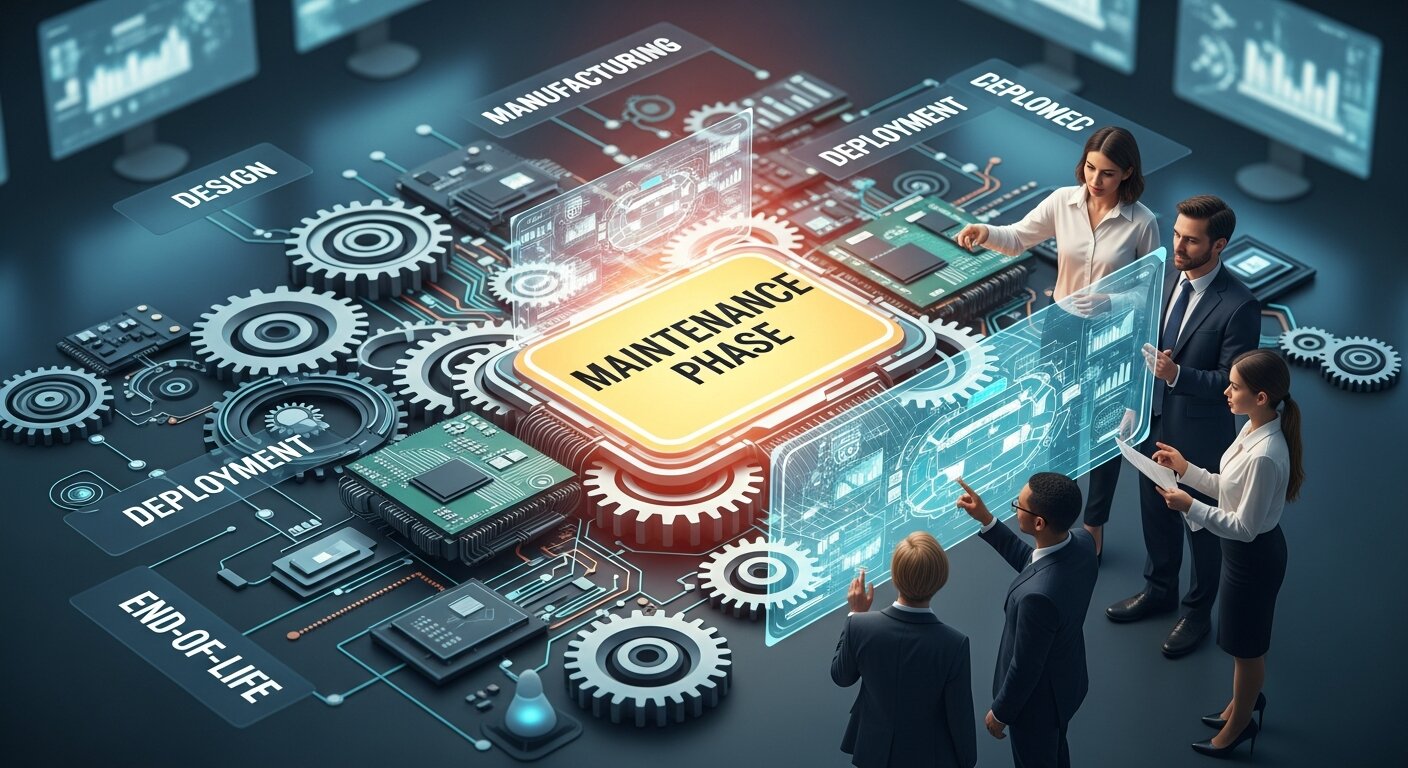
The Maintenance Phase of PLM involves post-launch support, updates, and enhancements. Products require regular monitoring to address defects, implement improvements, and meet evolving customer needs. Integrating insights from earlier Phases of PLM ensures maintenance aligns with design intentions and market expectations. Teams track performance, customer feedback, and warranty claims to plan upgrades and preventive measures. Effective maintenance strategies reduce downtime, extend product life, and enhance brand reputation. Collaboration across service, engineering, and quality teams ensures timely interventions and continuous improvement. Maintenance data can also inform Content Marketing for Product Marketers, helping teams create relevant guides, updates, and tutorials that improve customer engagement.
Product Retirement Phase of PLM
The Product Retirement Phase of PLM marks the planned withdrawal of a product from the market. Organizations assess performance, profitability, and customer usage patterns before discontinuation. The Phases of PLM framework ensures structured retirement processes, including inventory liquidation, regulatory compliance, and knowledge transfer. Proper documentation of lessons learned helps inform future product development. Teams manage customer communication, support legacy products, and plan replacement strategies. Efficient retirement reduces financial loss, frees resources for new initiatives, and maintains brand integrity. By systematically executing this phase, businesses ensure smooth transitions while minimizing disruption to customers and operations. Structured retirement also enables better planning for innovation and next-generation products.
Collaboration in Phases of PLM

Collaboration is a critical aspect across all Phases of PLM. Product lifecycle management relies on seamless communication between design, engineering, manufacturing, marketing, and support teams. Centralized PLM tools facilitate data sharing, version control, and workflow management. Cross-functional collaboration ensures that design changes, testing results, and production updates are synchronized. By integrating collaborative practices, organizations reduce errors, accelerate decision-making, and improve overall product quality. Effective collaboration also enables stakeholders to provide timely feedback, adapt to market changes, and align with strategic objectives. Leveraging technology and structured communication channels during all phases enhances efficiency, reduces redundancies, and fosters innovation throughout the product lifecycle.
Risk Management in Phases of PLM
Risk management is essential for maintaining product quality and business stability throughout the Phases of PLM. Each stage carries potential risks, including design flaws, supply chain disruptions, regulatory challenges, and market failures. By identifying risks early, organizations can develop mitigation strategies that reduce financial losses and protect brand reputation. PLM systems help track risk indicators, monitor compliance, and ensure quality standards are maintained. Proactive risk planning improves product reliability and helps companies respond quickly to unexpected issues. Businesses that integrate structured risk management into the Phases of PLM can improve forecasting, reduce operational uncertainty, and maintain consistent product performance in competitive markets.
Key Points
- Early risk identification
- Regulatory risk monitoring
- Supply chain risk control
- Quality assurance tracking
- Financial risk reduction
| PLM Phase | Common Risk | Mitigation Strategy |
|---|---|---|
| Concept | Wrong market demand | Market research validation |
| Design | Technical design flaws | Prototype testing |
| Manufacturing | Supply chain delays | Supplier diversification |
| Launch | Poor market adoption | Marketing optimization |
| Maintenance | Product failure issues | Preventive maintenance |
Role of PLM Software in Phases of PLM
PLM software plays a pivotal role in managing the Phases of PLM efficiently. It provides centralized access to product data, streamlines workflows, and ensures regulatory compliance. Teams can track progress, manage changes, and maintain version control throughout the lifecycle. PLM tools facilitate cross-functional collaboration, document management, and real-time reporting. By automating repetitive tasks and providing analytics, PLM software enhances decision-making and reduces errors. Companies can optimize costs, improve quality, and accelerate time-to-market. Using software to support each phase ensures transparency, accountability, and traceability. Organizations adopting PLM software gain a competitive edge, as it empowers teams to manage complexity and maintain high standards across the product lifecycle.
Benefits of Understanding Phases of PLM
Understanding the Phases of PLM provides organizations with clarity and efficiency in product management. It enables structured planning, risk mitigation, and informed decision-making. By focusing on each phase, businesses reduce development time, improve product quality, and optimize costs. Teams can track progress, identify bottlenecks, and implement timely improvements. Knowledge of PLM phases ensures better collaboration across departments and enhances regulatory compliance. Organizations can also use insights from PLM to Build Buyer Personas, tailoring marketing, product updates, and support to specific customer needs. Customers benefit from reliable, high-quality products delivered on time. Overall, mastering these phases strengthens innovation, market responsiveness, and strategic growth.
Data Management in Phases of PLM
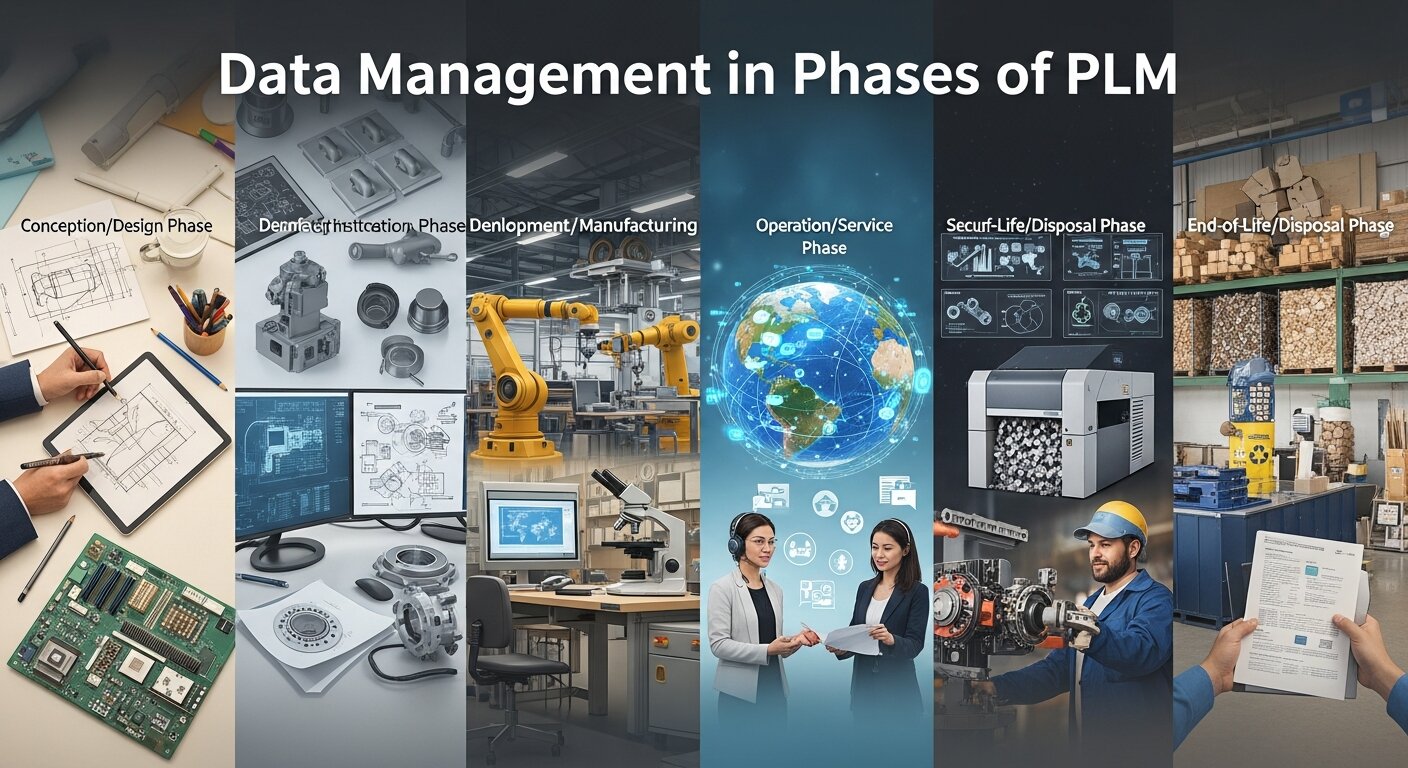
Data management plays a critical role across all Phases of PLM because product information must remain accurate, accessible, and secure throughout the lifecycle. From concept design files to manufacturing specifications and maintenance records, centralized data improves decision-making and reduces errors. Modern PLM platforms help businesses manage product data efficiently while maintaining compliance with industry standards. Strong data governance ensures teams work with updated information, improving productivity and reducing risks. As organizations scale, effective data management supports faster innovation and better collaboration between global teams. Companies that prioritize structured data handling within the Phases of PLM gain better visibility, traceability, and operational efficiency across departments and product portfolios.
Key Points
- Centralized product data storage
- Improved version control
- Better regulatory compliance
- Faster decision-making
- Reduced operational risks
| Data Type | Purpose | Business Impact |
|---|---|---|
| Design Data | Product structure and models | Improves design accuracy |
| Manufacturing Data | Production instructions | Reduces production errors |
| Service Data | Maintenance and support info | Enhances customer satisfaction |
| Compliance Data | Regulatory documentation | Ensures legal compliance |
Future of Phases of PLM
The future of Phases of PLM is being shaped by digital transformation, AI, and advanced analytics. Emerging technologies enable smarter decision-making, predictive maintenance, and real-time collaboration across global teams. Companies can leverage cloud-based PLM systems to streamline processes, reduce costs, and accelerate innovation. Integration with IoT and machine learning allows continuous product improvement and better lifecycle insights. The Phases of PLM will increasingly focus on sustainability, data-driven strategies, and adaptive workflows. Businesses adopting these future-oriented practices will remain competitive, responsive, and capable of delivering high-quality products that meet evolving market demands.
Conclusion
In conclusion, understanding the Phases of PLM is essential for effective product lifecycle management. Each phase—from concept and design to manufacturing, launch, maintenance, and retirement—plays a vital role in ensuring product success. Proper implementation of these phases improves collaboration, reduces costs, accelerates time-to-market, and maintains product quality. Businesses that master the Phases of PLM can innovate confidently, meet customer expectations, and achieve sustainable growth while staying competitive in today’s dynamic market.
Frequently Asked Questions
1: What are the Phases of PLM?
The Phases of PLM represent the structured stages of a product lifecycle, including concept, design, manufacturing, launch, maintenance, and retirement. These phases help businesses manage product data, improve collaboration, and ensure product quality from idea creation to market withdrawal.
2: Why are the Phases of PLM important for businesses?
The Phases of PLM help organizations streamline product development, reduce operational costs, and improve product quality. They provide structured workflows, ensuring better team collaboration, faster time-to-market, and improved decision-making across engineering, manufacturing, marketing, and customer support teams.
3: How do the Phases of PLM improve product quality?
The Phases of PLM improve product quality by ensuring proper testing, validation, and monitoring throughout the lifecycle. Each phase includes quality checks, reducing design errors, manufacturing defects, and performance issues, ensuring reliable and consistent product delivery to customers.
4: What role does software play in the Phases of PLM?
PLM software supports the Phases of PLM by centralizing product data, managing workflows, and improving communication across departments. It enables version control, compliance tracking, and real-time monitoring, helping organizations reduce errors, improve productivity, and enhance product lifecycle visibility.
5: How do the Phases of PLM support innovation?
The Phases of PLM support innovation by enabling structured product development processes. Teams can analyze data, test new ideas, and optimize designs efficiently. This structured approach helps businesses innovate faster while maintaining quality, compliance, and market relevance.
6: Can small businesses benefit from the Phases of PLM?
Yes, small businesses can benefit from the Phases of PLM by improving organization, reducing product development risks, and optimizing resources. Even basic PLM practices can help small teams maintain product quality, streamline communication, and improve overall operational efficiency.
7: How do the Phases of PLM help reduce costs?
The Phases of PLM help reduce costs by minimizing design errors, improving manufacturing efficiency, and reducing product recalls. Early risk detection and structured planning prevent unnecessary expenses while improving production processes and supply chain coordination.
8: How do the Phases of PLM support regulatory compliance?
The Phases of PLM support compliance by maintaining proper documentation, tracking design changes, and ensuring products meet industry regulations. This structured approach helps organizations avoid legal risks, maintain product safety standards, and ensure smooth certification processes.
9: How do the Phases of PLM improve customer satisfaction?
The Phases of PLM improve customer satisfaction by ensuring consistent product quality, reliable performance, and timely product delivery. Continuous monitoring and maintenance help businesses address customer feedback quickly, improving product usability and long-term customer loyalty.
10: What is the future of the Phases of PLM?
The future of the Phases of PLM includes AI integration, automation, cloud-based collaboration, and predictive analytics. These technologies will improve product development speed, enhance decision-making, and help businesses create more sustainable and customer-focused products.