In today’s hyper-competitive marketplace, authentic voices resonate stronger than polished ad copy. When customers share their experiences with your product, potential buyers trust these peer recommendations more than brand messages. This is the power of user-generated content (UGC). By tapping into UGC, you can expand your reach, humanize your brand, and boost conversions—all while keeping marketing costs in check.
Why User-Generated Content Matters for Product Promotion
User-generated content encompasses reviews, testimonials, photos, videos, unboxing moments, social media posts, and any other content created by real customers. Here’s why UGC is a game-changer for product promotion:
- Authenticity and Trust: 92% of consumers value peer recommendations over brand-generated advertising. UGC feels less scripted and more genuine, building trust quickly.
- Cost-Effectiveness: Rather than investing heavily in ad creatives, you can curate and repurpose customer content to fuel campaigns and social channels.
- Social Proof: When prospects see others enjoying your product, they’re more likely to purchase. Social proof reduces friction in the buyer’s journey.
- Community Building: Encouraging customers to share fosters a sense of belonging. Active communities increase brand loyalty and lifetime value.
- SEO Benefits: Fresh, keyword-rich content generated by users can improve search rankings and organic visibility over time.
Crafting a Winning UGC Strategy for Product Promotion

A successful UGC strategy doesn’t happen by accident. It requires planning, clear goals, and consistent execution. Follow these steps to create a robust UGC framework:
1. Define Clear Objectives
Start by identifying what you want to achieve: increased brand awareness, higher conversion rates, more social engagement, or improved customer retention. Align your UGC efforts with these objectives and set measurable KPIs, such as the number of UGC submissions, engagement rate, or uplift in sales attributable to UGC campaigns.
2. Choose the Right Platforms
Not every social channel is equal when it comes to UGC. Instagram and TikTok are ideal for visual storytelling, while Facebook groups and Reddit communities can drive deep discussions and testimonials. Analyze your audience’s habits and focus on platforms where they’re most active and engaged with your product category.
3. Encourage Participation with Incentives
Incentives can dramatically increase UGC submissions. Consider offering discounts, early access to new products, or entry into a prize draw. Alternatively, highlight top contributors by featuring them on your website or social channels. The key is to create a win-win situation: customers feel rewarded for sharing, and you gain valuable promotional content.
4. Provide Clear Guidelines
Vague calls to action yield inconsistent results. Craft simple, specific instructions: request a 15-second video unboxing, ask for before-and-after photos, or suggest using a branded hashtag. Clear guidelines improve content quality and streamline moderation.
Best Practices for Curating and Showcasing UGC
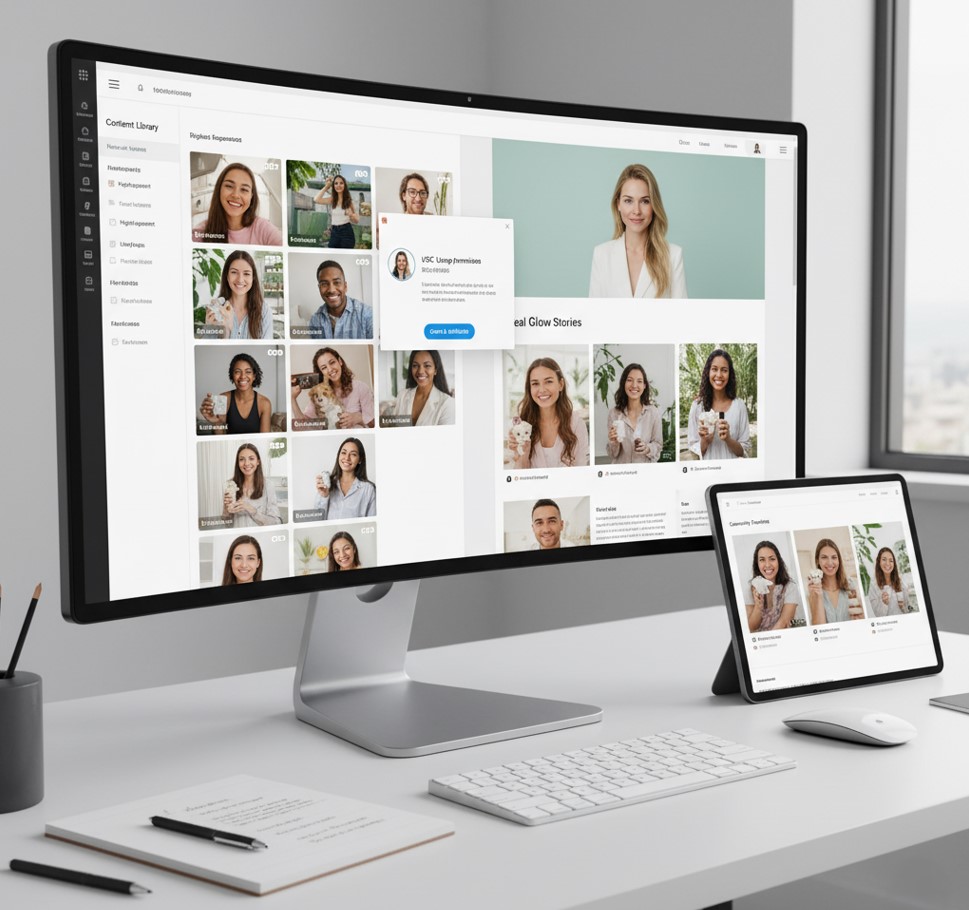
Collecting UGC is only half the battle. To maximize its impact, you need to curate and present it effectively across your marketing channels.
1. Centralize Your UGC Library
Use social media listening tools or UGC platforms to aggregate posts tagged with your hashtag or brand handle. A central library makes it easy to search, sort by content type, and filter by engagement metrics.
2. Obtain Proper Permissions
Always request explicit permission before republishing customer content. A simple direct message or email asking for usage rights, along with clear attribution guidelines, ensures you stay compliant and maintain trust with contributors.
3. Mix UGC with Branded Content
Balance UGC with your own professionally designed assets. For example, embed customer reviews alongside product feature highlights or intersperse user photos in your email newsletters. This blended approach keeps your feed dynamic and credible.
4. Highlight Diverse Use Cases
Showcase a variety of customer experiences—different demographics, use environments, and creative applications of your product. This signals that your offering is versatile and appeals to a wide audience.
Measuring the Impact of Your UGC-Driven Product Promotion
Data-driven insights help you refine your strategy and demonstrate ROI. Track these key metrics:
- Engagement Rate: Likes, comments, shares, and views on UGC posts versus average brand post performance.
- Conversion Rate: Percentage of visitors who convert to buyers after interacting with UGC-focused landing pages or social campaigns.
- UGC Submission Volume: Number of customer posts, videos, or reviews tagged with your campaign hashtag over time.
- Referral Traffic: The Amount of traffic driven from UGC on social platforms, forums, or influencer pages to your website.
- Customer Lifetime Value (CLV): Compare the CLV of customers who engage in UGC campaigns versus those who don’t.
In addition to performance metrics, consider the long-term benefits of SEO in product marketing content. User-generated reviews and testimonials often contain organic keywords that enhance search engine visibility. Encouraging customers to include product names, benefits, and use cases in their posts can significantly improve your content’s discoverability over time—giving your brand a valuable SEO boost without added cost.
Common Pitfalls and How to Avoid Them
UGC programs can backfire if poorly executed. Be aware of these common missteps:
- Inconsistent Branding: If UGC is too diverse in style, it can dilute your brand identity. Use overlays, templates, or brand-approved frames to maintain cohesion.
- Ignoring Negative Feedback: Not all UGC will be glowing. Address negative reviews or critiques openly, showing potential customers that you care about continuous improvement.
- Over-Promotion: Flooding your channels with only promotional UGC can feel spammy. Mix in educational, entertaining, and customer-centric content to keep the audience engaged.
- Lack of Follow-Up: After collecting UGC, don’t leave contributors hanging. Thank them, share updates on campaign milestones, and highlight top contributions to sustain momentum.
Case Study: How One Brand Boosted Sales by 35% with UGC
Beauty brand GlowRise launched a #GlowWithGlowRise challenge, inviting customers to post makeup tutorials using their best-selling highlighter. They offered weekly gift-card giveaways and featured the top five videos on their homepage. Over six weeks, submissions grew by 400%, Instagram engagement doubled, and direct sales from the campaign hashtag outperformed paid ads by 25%. The result? A 35% uplift in total revenue and a growing archive of authentic video testimonials to fuel future promotions.
Leveraging Customer Feedback to Refine Product Promotion Strategies

Customer feedback is a goldmine for marketers aiming to optimize product promotion. It provides insights into user experiences, uncovers product strengths and weaknesses, and helps you tailor campaigns to meet actual customer needs. Feedback can come from surveys, reviews, social media comments, and direct communications. When effectively analyzed, it informs decisions across marketing channels, product development, and customer service.
Why Customer Feedback Matters for Product Promotion:
- Improved Targeting: Understand which demographics resonate most with your product and refine promotional messaging.
- Product Optimization: Feedback reveals pain points that, if addressed, can enhance your product’s market appeal.
- Enhanced Brand Trust: Responding transparently to feedback shows customers that your brand listens, fostering loyalty.
- Content Ideas: Reviews and testimonials can be repurposed as user-generated content for social media campaigns, increasing engagement.
Steps to Utilize Customer Feedback Effectively:
- Collect feedback regularly through multiple channels, including email surveys, website forms, and social media polls.
- Analyze trends and sentiment using analytical tools to prioritize actionable insights.
- Integrate learnings into your marketing campaigns and product promotion plans to align with customer preferences.
- Close the loop by communicating improvements to your audience, showing responsiveness to their needs.
By systematically leveraging customer feedback, brands can not only enhance the quality of product promotion but also increase customer satisfaction and long-term loyalty.
Incorporating Storytelling in Product Packaging Design
Packaging is more than just a protective layer—it’s a storytelling tool that enhances product promotion. Consumers make split-second decisions based on packaging, and creative storytelling can transform packaging into an immersive brand experience. Integrating storytelling in product packaging design allows you to convey your brand values, product benefits, and unique selling propositions in a visually compelling way.
Benefits of Storytelling in Packaging for Product Promotion:
- Emotional Connection: Stories evoke emotions, helping your product resonate on a personal level with consumers.
- Brand Differentiation: Unique packaging narratives help your product stand out in crowded markets.
- Encourages Sharing: Engaging packaging encourages customers to post on social media, generating organic product promotion.
Best Practices for Storytelling in Packaging Design:
- Focus on the product life cycle in marketing, ensuring the packaging narrative aligns with product evolution and positioning.
- Highlight customer experiences or the journey behind the product creation.
- Use visuals, typography, and color schemes to reinforce the story without overwhelming the design.
Table: Examples of Storytelling Elements in Product Packaging
| Element | Purpose in Storytelling | Example in Product Promotion |
|---|---|---|
| Brand Origin Story | Builds emotional connection | “From farm to table” narrative |
| Sustainability Messaging | Showcases eco-friendly practices | Recyclable packaging with impact info |
| Product Use Case Imagery | Demonstrates product value in real life | Before-and-after visuals |
| Customer Testimonials | Provides social proof and credibility | Highlight user quotes on packaging |
By embedding storytelling into packaging design, brands create more than just a product—they deliver an experience that drives engagement and amplifies product promotion.
Aligning Product Promotion with the Product Life Cycle in Marketing
Understanding the product life cycle in marketing is essential for effective product promotion. Different stages—from introduction to growth, maturity, and decline—require tailored promotional strategies to maximize impact. Aligning campaigns with each stage ensures you optimize resource allocation, customer engagement, and overall sales.
Stage-Based Product Promotion Strategies:
-
Introduction Stage:
-
Focus on awareness and education.
-
Use high-impact marketing channels to showcase the product’s unique value.
-
Highlight early adopters through testimonials and UGC to establish credibility.
-
-
Growth Stage:
-
Emphasize differentiation and benefits to expand market share.
-
Encourage user-generated content and social proof to accelerate adoption.
-
Monitor customer feedback closely to refine messaging and campaigns.
-
-
Maturity Stage:
-
Reinforce brand loyalty through promotions and storytelling in packaging design.
-
Explore bundling or loyalty programs to retain customers.
-
Highlight diverse use cases through UGC and case studies.
-
-
Decline Stage:
-
Consider revamping the product or repositioning it to a niche market.
-
Reduce heavy promotion costs and focus on loyal customer segments.
-
Leverage customer feedback to explore potential product upgrades or spin-offs.
-
Tips for Optimizing Product Promotion Across the Product Life Cycle:
- Track engagement metrics and conversion rates at every stage.
- Use storytelling and UGC strategically to maintain relevance.
- Continuously solicit customer feedback to identify opportunities for innovation.
By aligning promotional efforts with the product life cycle, brands can maximize ROI and ensure their messaging resonates at the right time with the right audience.
Conclusion: Turning Customers into Brand Ambassadors
User-generated content is more than a marketing tactic—it’s a relationship builder. By empowering customers to share their honest experiences, you cultivate a community of brand advocates who amplify your promotional efforts. Follow the strategies and best practices above to harness the full potential of UGC, measure its impact, and avoid common pitfalls. When you align your product promotion with authentic customer voices, every post, photo, and review becomes a powerful endorsement that drives trust, engagement, and sales.
Ready to supercharge your product promotion with user-generated content? Start by defining your UGC goals today, and watch as your customers become your most persuasive marketers.
FAQ: Product Promotion with User-Generated Content
1. What is user-generated content (UGC) and why is it important for product promotion?
User-generated content (UGC) refers to any content created by customers, such as reviews, photos, videos, testimonials, and social media posts. UGC is important for product promotion because it builds authenticity and trust, provides social proof, and can reduce marketing costs by leveraging real customer voices.
2. How can customer feedback improve product promotion?
Customer feedback helps brands understand what users like and dislike, identify product strengths and weaknesses, and tailor promotional strategies accordingly. Incorporating feedback into campaigns ensures messaging resonates with real needs and increases engagement.
3. How does storytelling in product packaging design enhance promotion?
Storytelling in packaging design turns a product into an experience. By highlighting the product’s journey, brand values, or customer use cases, storytelling creates an emotional connection, encourages social sharing, and differentiates the product in a competitive market.
4. How should I use UGC across different stages of the product life cycle in marketing?
- Introduction Stage: Focus on awareness, showcase early adopters, and highlight testimonials.
- Growth Stage: Encourage UGC to accelerate adoption and refine messaging with customer feedback.
- Maturity Stage: Reinforce loyalty through social proof, storytelling, and diverse UGC.
- Decline Stage: Use UGC to explore product revamps or highlight niche applications.
5. What are the best practices for collecting and curating UGC?
- Centralize content in a UGC library for easy management.
- Obtain explicit permission before using customer content.
- Blend UGC with branded content to maintain credibility.
- Highlight diverse demographics and use cases to appeal to a broader audience.
6. Can UGC improve SEO and organic traffic for my product promotion campaigns?
Yes! UGC often contains organic keywords naturally used by customers, which can improve search engine visibility. Reviews, testimonials, and social posts with product names, benefits, and use cases enhance discoverability without extra cost.
7. How can I incentivize customers to contribute UGC?
- Offer discounts, early access to products, or prize draws.
- Feature top contributors on your website or social channels.
- Create a branded hashtag to encourage participation and make sharing easier.
8. What are common mistakes to avoid in UGC-driven product promotion?
- Ignoring negative feedback instead of addressing it.
- Flooding channels with only promotional content.
- Allowing inconsistent branding across UGC posts.
- Failing to follow up with contributors to maintain engagement.
9. How do I measure the success of UGC in product promotion?
Track metrics such as engagement rate, conversion rate, UGC submission volume, referral traffic, and customer lifetime value. These insights help refine campaigns and demonstrate ROI.
Learn more about: How to Launch a Product Online: Strategy, Steps, and Tools