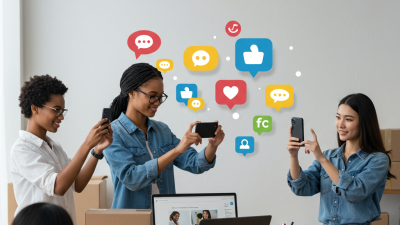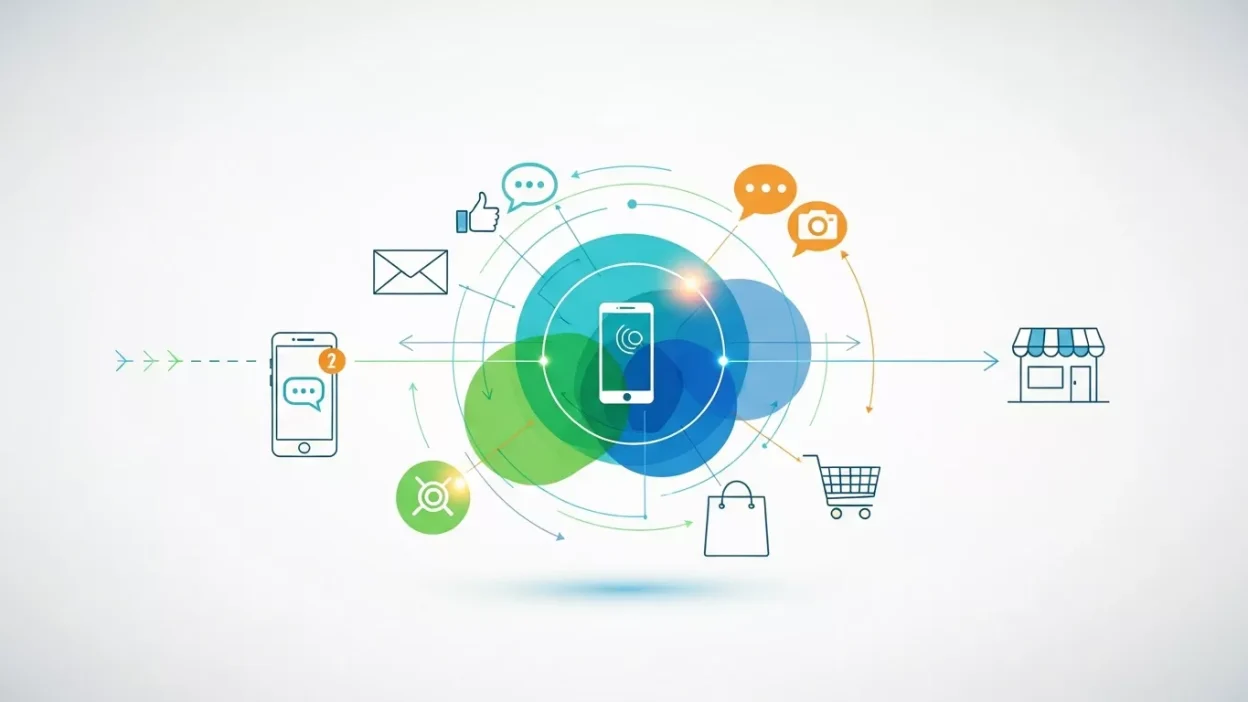
In today’s competitive landscape, relying on a single marketing channel is no longer enough. Customers interact with brands across multiple touchpoints—online and offline—and expect a seamless experience every time. That’s where omnichannel product promotion comes in. This approach integrates all your marketing channels—from email and social media to in-store events and SMS—into one unified strategy, delivering consistent messaging and personalization that drives engagement and sales.
Why Omnichannel Promotion Matters
Research shows that omnichannel customers spend up to 4% more in stores and 10% more online than single-channel customers. By providing a cohesive journey, you build trust, increase brand recall, and make it easier for buyers to discover, consider, and purchase your products. Whether your audience is scrolling Instagram Stories, visiting a brick-and-mortar location, or opening your latest promotional email, your message should feel connected, relevant, and timely.
1. Auditing Your Current Channels
Before implementing a full omnichannel strategy, it’s critical to evaluate every touchpoint where your brand interacts with customers. A thorough audit reveals gaps, redundancies, and high-performing areas to focus on for maximum ROI.
Steps for a comprehensive channel audit:
-
Website and Blog:
-
Assess user experience (UX) and navigation. Are visitors finding information easily?
-
Check page load speeds—slow sites reduce engagement and conversions.
-
Review SEO performance: Are key product pages ranking for relevant search terms?
-
Evaluate content performance: Which blogs or landing pages drive traffic and conversions?
-
-
Email Marketing:
-
Analyze open rates, click-through rates, and conversion rates for campaigns.
-
Review segmentation strategies: Are emails targeted to the right audience based on behavior and preferences?
-
Evaluate design and messaging: Are emails mobile-friendly and consistent with brand tone?
-
-
Social Media:
-
Measure engagement metrics—likes, shares, comments, and saves.
-
Compare performance across platforms like Instagram, Facebook, LinkedIn, and TikTok.
-
Identify which types of content resonate most with your audience.
-
-
Paid Advertising:
-
Track ROI for Google Ads, Facebook Ads, programmatic buys, and other campaigns.
-
Identify underperforming campaigns or audience segments.
-
Check ad creative and messaging consistency across channels.
-
-
Offline Channels:
-
Evaluate events, retail partnerships, direct mail campaigns, and in-store promotions.
-
Measure foot traffic, event attendance, and offline conversions to gauge effectiveness.
-
Tip: Document your findings in a simple dashboard to visualize performance, overlaps, and gaps across all channels.
2. Crafting a Unified Messaging Strategy
Consistency across channels is essential for a seamless omnichannel experience. A unified messaging strategy ensures your audience receives the same value proposition, tone, and brand identity wherever they encounter your product.
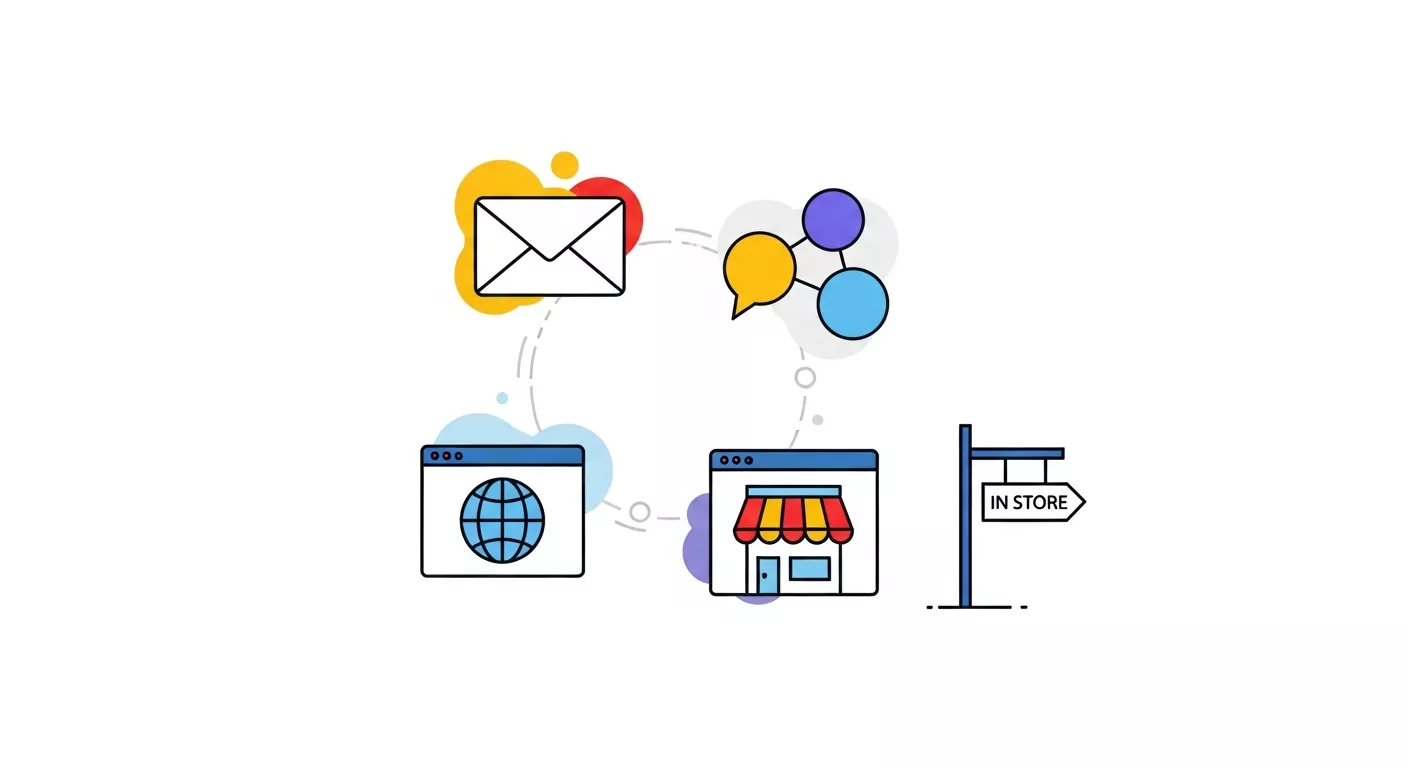
Key components of a unified messaging strategy:
-
Tone of Voice:
-
Define how your brand speaks to customers: friendly yet authoritative, playful yet professional, or any style that aligns with your audience.
-
Ensure all teams—marketing, social, and customer support—adhere to the same tone.
-
-
Visual Identity:
-
Maintain consistency in colors, typography, imagery, and graphic style across online and offline channels.
-
Use templates for emails, social posts, and advertisements to reinforce brand recognition.
-
-
Key Messages:
-
Distill your product’s value into 3–5 core benefits or pillars.
-
Integrate these messages across all touchpoints, from social media captions to in-store signage.
-
Create messaging guidelines for campaigns, ensuring clarity and alignment.
-
Tip: Test messaging across channels to identify which tone, visuals, and copy best resonate with your target audience.
3. Personalization at Scale
Omnichannel marketing succeeds when content and promotions feel relevant to individual customers. Personalization at scale uses data to deliver tailored experiences, increasing engagement and conversions.
Effective personalization tactics:
-
Dynamic Email Campaigns:
-
Send product recommendations based on past purchases, browsing behavior, or abandoned carts.
-
Segment audiences by demographics, location, or engagement levels for more precise targeting.
-
-
Retargeting Ads:
-
Serve personalized ads to users who visited specific product pages but didn’t complete a purchase.
-
Use creative variations that reflect previous browsing behavior to encourage return visits.
-
-
In-App or SMS Messages:
-
Trigger timely notifications with limited-time offers when users reach milestones (e.g., app usage, cart abandonment, or loyalty rewards).
-
Ensure messages are concise, action-oriented, and aligned with the overall customer journey.
-
Tools for personalization at scale:
- Marketing automation platforms (e.g., HubSpot, Klaviyo)
- AI-powered recommendation engines (for emails, ads, or website product suggestions)
- CRM systems for storing and analyzing customer data
Tip: Continuously monitor performance metrics to refine personalization strategies, ensuring each customer receives relevant and timely messages.
4. Integrating Online and Offline Touchpoints

Even in a digital-first world, physical experiences play a critical role in the customer journey. Integrating online and offline touchpoints ensures your brand message remains consistent while giving customers multiple ways to interact with your product.
Strategies to bridge the online-offline gap:
-
Click-and-Collect / Buy Online, Pickup In-Store:
Allow customers to shop online and pick up products in-store. Promote this convenience through website banners, email campaigns, and social media posts. Highlight benefits like faster access, no shipping fees, or exclusive in-store perks. -
QR Code Promotions:
Place QR codes on packaging, store displays, or printed ads. Link these codes to online resources, discount codes, or special product content. This tactic encourages cross-channel engagement and makes it easy for customers to move seamlessly between offline and online experiences. -
In-Store Events:
Host product demos, workshops, or VIP shopping nights and invite email subscribers or social followers. These events drive foot traffic, create memorable experiences, and can generate social media buzz. -
Consistent Branding Across Channels:
Ensure offline materials—signage, packaging, and printed brochures—mirror your online visuals and messaging. Consistency reinforces brand recognition and builds trust.
Tip: Use customer data to personalize offline experiences. For example, welcome in-store visitors with offers based on their previous online browsing or purchase history.
5. Content That Resonates
Storytelling is essential to omnichannel marketing. Delivering the right content at the right stage of the buyer journey helps move customers from awareness to decision, while strengthening brand loyalty.
Content strategies by stage:
-
Awareness Stage:
Focus on attracting potential customers and educating them about your industry or products.-
Blog posts highlighting trends or industry insights
-
Short-form videos on social media
-
Infographics and visual guides that explain product benefits
-
-
Consideration Stage:
Provide deeper insights to help customers evaluate solutions.-
Webinars or online workshops demonstrating your product
-
Case studies showing real-world results
-
Comparison guides highlighting your product against competitors
-
-
Decision Stage:
Give customers the final push to purchase by offering reassurance and urgency.-
Limited-time promotions or special offers
-
Free trials or demos
-
Customer testimonials and reviews for social proof
-
Best Practice: Repurpose content across channels to maintain consistency while tailoring formats for each platform. For example, a case study could appear as a downloadable PDF on your website, a carousel post on Instagram, and a short explainer video for YouTube.
6. Influencer and Partner Collaborations
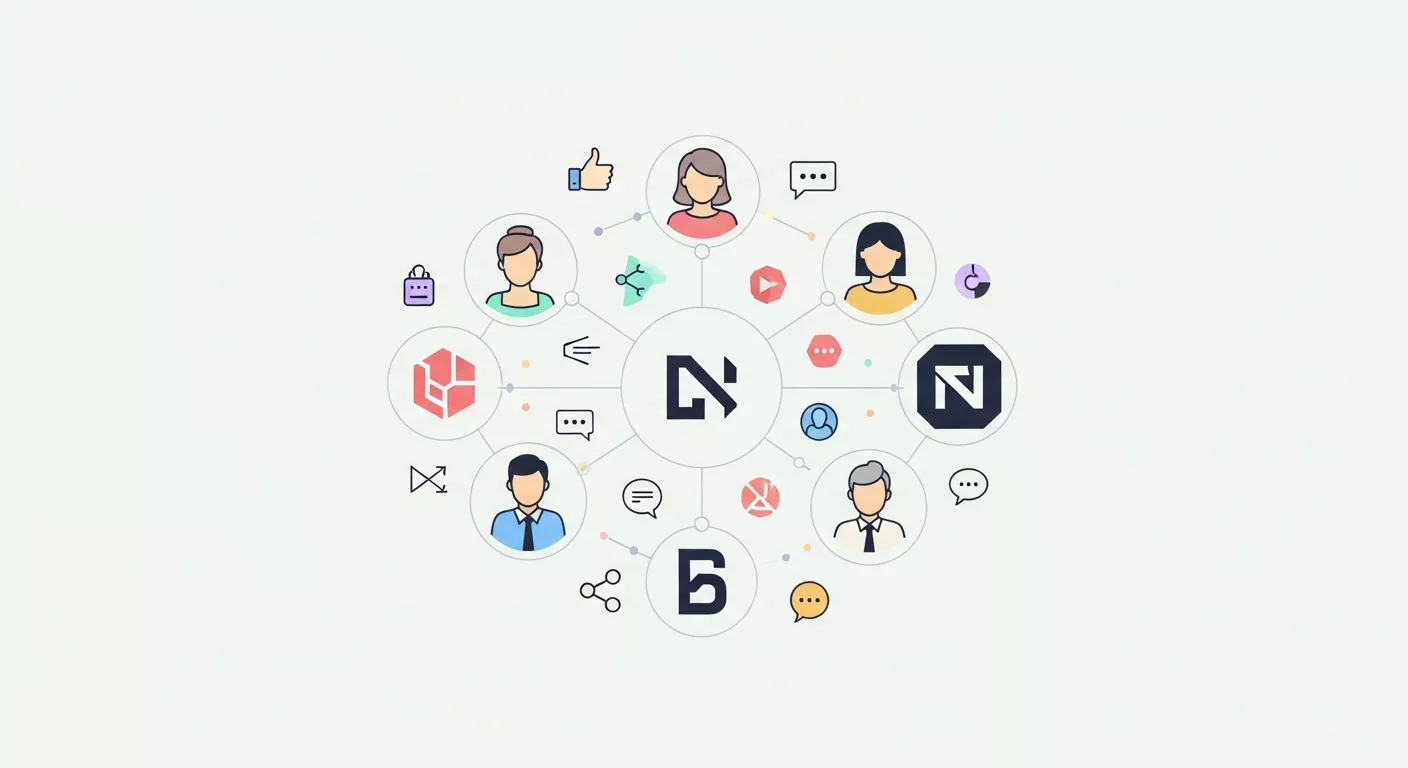
Collaborating with influencers or complementary brands can expand reach, build credibility, and attract highly engaged audiences. When done strategically, these partnerships amplify your omnichannel efforts.
Effective collaboration strategies:
-
Micro-Influencers:
Partner with niche influencers whose audience aligns with your target market. Micro-influencers often have high engagement rates and trusted relationships with their followers. -
Industry Experts:
Work with thought leaders to co-create content like webinars, guides, or Q&A sessions. Their endorsement positions your brand as credible and authoritative. -
Brand Partnerships:
Collaborate with complementary brands for co-branded campaigns, giveaways, or bundled promotions. This exposes your product to new audiences while providing added value to existing customers.
Tracking and Performance:
-
Use affiliate links, unique coupon codes, or trackable URLs to measure the ROI of influencer and partner campaigns.
-
Monitor engagement, conversions, and audience growth to determine the most effective partnerships.
Tip: Set clear goals and deliverables upfront. Define what success looks like—whether it’s brand awareness, website visits, or sales—and ensure both parties understand their roles.
7. Measurement and Optimization
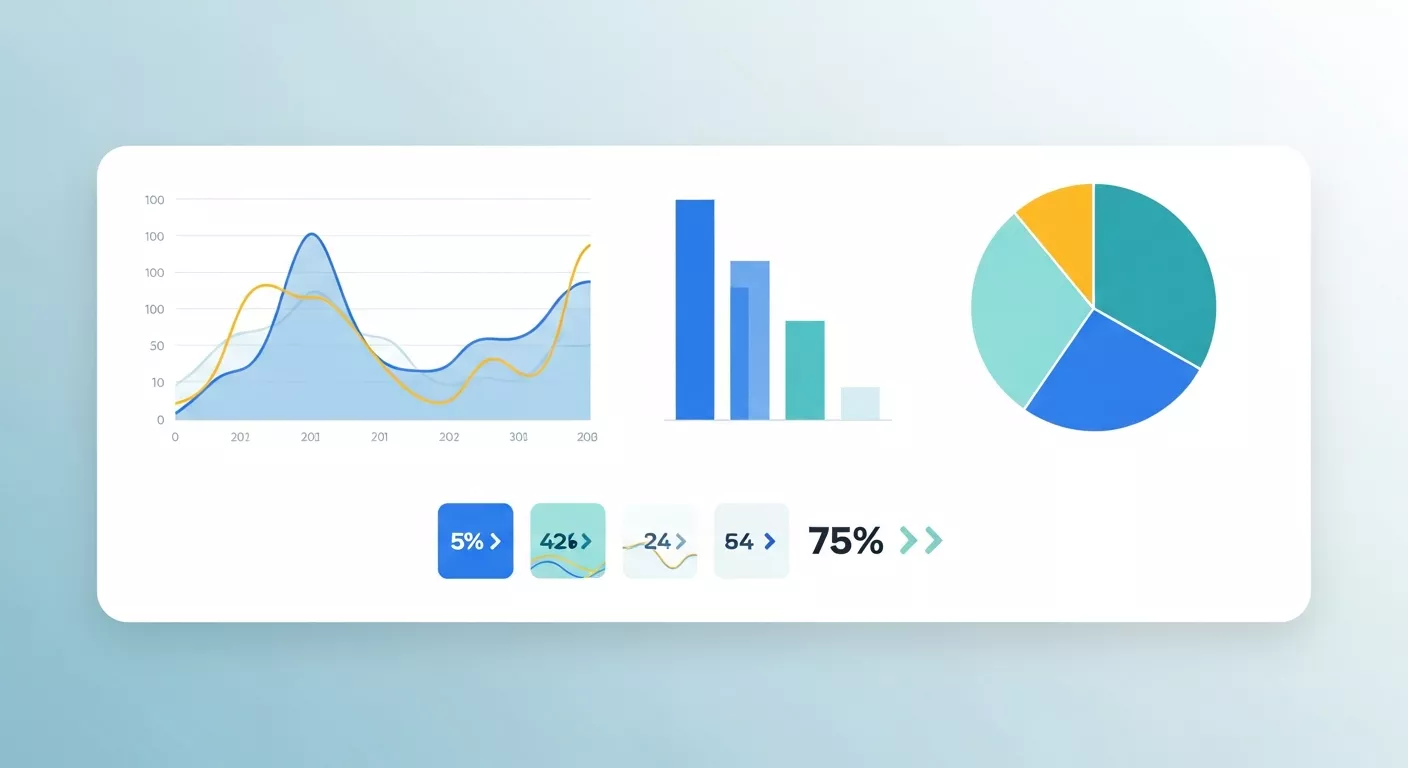
No omnichannel strategy is complete without continuous measurement and optimization. Data-driven insights allow you to understand what’s working, what isn’t, and where to focus your efforts for maximum impact. By defining clear KPIs for each channel, you can track performance across the customer journey and make informed decisions.
Key Steps for Effective Measurement:
-
Define KPIs per Channel:
-
Email Marketing: Open rates, click-through rates, conversion rates, unsubscribe rates
-
Social Media: Engagement rates, reach, impressions, video completion rates
-
Paid Advertising: ROI, cost per acquisition (CPA), click-through rates, impressions
-
Offline Channels: Foot traffic, in-store sales uplift, event attendance
-
-
Consolidate Data into a Central Dashboard:
Use tools like Google Data Studio, HubSpot, or Tableau to visualize metrics from multiple channels in one place. This makes it easier to spot trends, identify underperforming areas, and compare channel performance. -
Identify High-Performing Channels:
Focus resources on channels that deliver the best ROI. For instance, if Instagram ads are driving more conversions than Google Ads, you can reallocate budget accordingly. -
Test and Learn:
A/B test different elements of your campaigns—subject lines, visuals, call-to-action placements, promotional offers, and messaging tone. Even small tweaks can significantly improve results. -
Refine Targeting:
Use behavioral and demographic insights to improve segmentation. For example, if a certain age group responds better to SMS promotions than email, adjust your outreach accordingly. -
Regular Review Schedule:
Conduct weekly or monthly performance reviews and quarterly in-depth analysis. This ensures your omnichannel strategy stays aligned with evolving customer behavior and market trends.
Tip: Always combine quantitative metrics with qualitative feedback, such as customer surveys or reviews, to get a complete picture of campaign effectiveness.
8. Best Practices and Common Pitfalls
Even the most well-planned omnichannel campaigns can fail if you overlook core best practices or fall into common traps. Keeping these in mind will help your campaigns remain effective and deliver a seamless customer experience.
Best Practices:
-
Maintain Data Hygiene:
Regularly clean and update your customer database. Remove duplicates, update outdated information, and ensure data accuracy. Clean data improves personalization and prevents irrelevant messaging. -
Balance Automation and Authenticity:
Automation saves time and allows you to scale campaigns, but human-centric messaging fosters trust. Ensure automated emails, social posts, and SMS messages feel personal, relevant, and empathetic. -
Align Teams Internally:
Successful omnichannel campaigns require collaboration between marketing, sales, customer support, and product teams. Share goals, messaging guidelines, and campaign plans to maintain a unified brand voice. -
Prioritize Customer Experience:
The ultimate goal is a frictionless experience across touchpoints. Ensure messaging is consistent, transitions between channels are smooth, and your audience can move seamlessly from discovery to purchase. -
Leverage Feedback Loops:
Encourage customers to share feedback on your campaigns and experiences. Use this input to continuously refine messaging, timing, and channel strategies.
Common Pitfalls to Avoid:
- Channel Silos: Failing to integrate channels leads to inconsistent messaging and a fragmented customer journey.
- Over-Automation: Relying solely on automated messages without personalization can make campaigns feel robotic.
- Ignoring Metrics: Without measurement, you can’t identify what’s working or justify marketing investments.
- Neglecting Offline Channels: Even in digital-first campaigns, offline experiences like in-store promotions, events, and packaging matter. Ignoring these can weaken your omnichannel strategy.
By following these best practices and avoiding common mistakes, your omnichannel campaigns can deliver more cohesive, personalized, and impactful experiences that drive sales and customer loyalty.
9. Leveraging Automation for Seamless Experiences
Automation is key to managing omnichannel campaigns at scale. By connecting your tools—email platforms, social media schedulers, CRM systems, and advertising platforms—you can create a cohesive, timely experience for each customer without manually managing every touchpoint.
Ways to leverage automation:
- Triggered Emails: Automatically send welcome messages, abandoned cart reminders, or re-engagement emails based on user behavior.
- Social Scheduling & Retargeting: Plan and automate posts while serving retargeted ads to users who engaged with your content.
- Customer Journeys: Use automation platforms to map and execute personalized journeys that adapt as customers interact with different channels.
Benefits:
- Saves time while maintaining consistency across channels
- Ensures timely and relevant messaging
- Enhances personalization through behavior-based triggers
10. Omnichannel Loyalty Programs
A well-designed loyalty program strengthens your omnichannel strategy by encouraging repeat purchases and long-term engagement. Connecting online and offline experiences makes customers feel valued no matter how they interact with your brand.
Key strategies for loyalty programs:
- Point-Based Systems: Reward purchases across channels—online, in-store, and mobile app.
- Tiered Rewards: Encourage higher spending with escalating benefits for loyal customers.
- Exclusive Experiences: Offer early access, VIP events, or personalized recommendations.
Example Table: Loyalty Program Across Channels
| Channel | Loyalty Feature | Benefit to Customer | Benefit to Brand |
|---|---|---|---|
| Online Store | Points per purchase | Trackable rewards and discounts | Data on buying behavior |
| Mobile App | Personalized offers | Convenience and tailored deals | Increase engagement and app usage |
| In-Store | QR code scanning for points | Instant reward accumulation | Encourages foot traffic and cross-channel interaction |
| Exclusive coupons for members | Early access to deals | Boosts email open rates and conversions |
Conclusion
Omnichannel product promotion is more than a buzzword—it’s a business imperative. By auditing your channels, crafting unified messaging, personalizing experiences, and measuring results, you can create a frictionless customer journey that drives loyalty and lifts sales. Start small: pick two or three channels to integrate first, then scale your strategy as you see results. With the right mix of creativity, technology, and data, you’ll not only meet customers where they are but also exceed their expectations every step of the way.
FAQ: Omnichannel Product Promotion
1. What is omnichannel product promotion?
Omnichannel product promotion is a marketing strategy that integrates all your channels—online and offline—into a cohesive, seamless experience. It ensures that customers receive consistent messaging, personalized content, and a unified brand experience across every touchpoint.
2. Why is omnichannel marketing important?
Customers interact with brands across multiple platforms. Omnichannel marketing increases engagement, boosts brand recall, and can lead to higher sales. Research shows omnichannel customers often spend more than single-channel customers because they experience a smoother and more connected journey.
3. Which channels should I include in my omnichannel strategy?
An effective strategy combines online and offline channels:
- Online: Website, blog, email, social media, paid advertising, apps
- Offline: Retail stores, in-store events, direct mail, partnerships, and experiential marketing
4. How do I ensure consistency across channels?
Develop a unified messaging strategy:
- Define a consistent tone of voice
- Maintain visual identity (colors, typography, imagery)
- Use 3–5 key product messages across all touchpoints
5. How can I personalize at scale without overwhelming my team?
Leverage data from CRM systems, purchase history, browsing behavior, and marketing automation tools. Use dynamic emails, retargeting ads, and in-app notifications to deliver relevant offers efficiently.
6. What are some ways to integrate online and offline touchpoints?
- Click-and-collect / buy online, pick up in-store
- QR codes linking to exclusive content or promotions
- In-store events promoted via email or social media
- Consistent branding across physical and digital materials
7. How do influencer and partner collaborations help omnichannel promotion?
They expand reach, build credibility, and introduce your product to new audiences. Collaborations can include micro-influencers, industry experts, or complementary brands. Use trackable links or unique codes to measure performance.
8. How do I measure the success of an omnichannel campaign?
Track KPIs for each channel and consolidate them in a dashboard:
- Online metrics: open rates, click-through rates, social engagement, ad ROI
- Offline metrics: foot traffic, event attendance, in-store sales
- Overall metrics: conversion rates, customer retention, and sales growth
9. What are common mistakes to avoid in omnichannel promotion?
- Ignoring offline channels or overemphasizing one platform
- Inconsistent messaging or visuals
- Poor data hygiene, leading to irrelevant targeting
- Over-automation without maintaining a human touch
10. How can small businesses implement omnichannel marketing effectively?
Start small by integrating 2–3 key channels first. Focus on consistency, personalization, and tracking results. Scale gradually based on performance, audience engagement, and available resources.
Learn more about: How to Use Competitive Analysis in Product Marketing