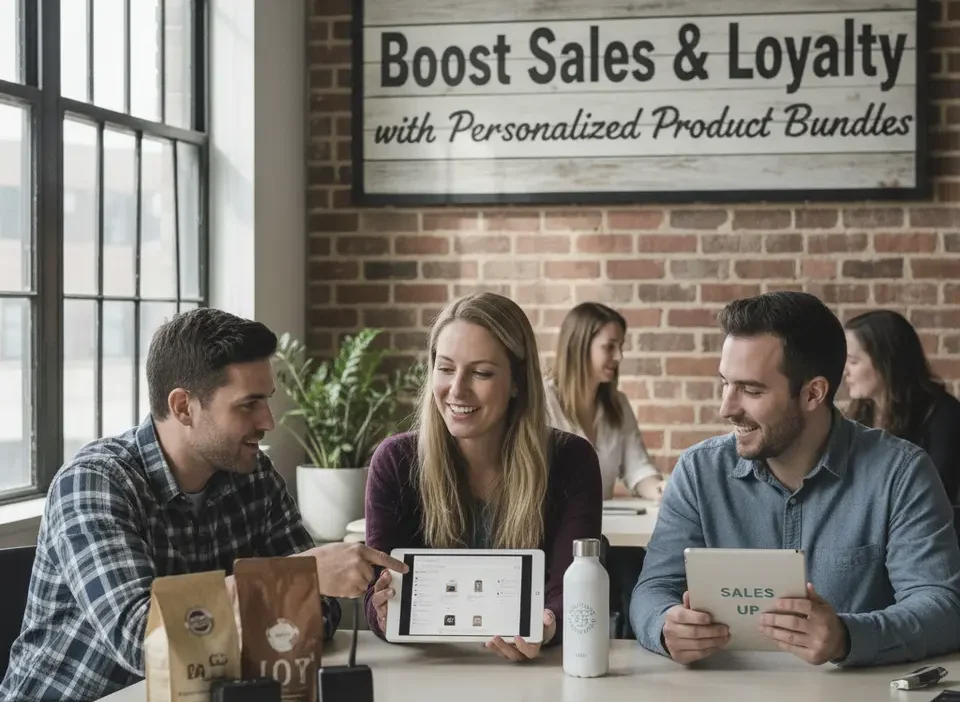
In today’s digital landscape, standing out in competitive online marketplaces requires more than traditional promotions. Customers now expect tailored experiences that align with their unique preferences and lifestyles. One powerful way to deliver on this expectation is through personalized product bundles. By bringing together complementary items into thoughtfully curated sets, brands can elevate the shopping journey, boost average order values, and foster loyal relationships.
Personalized product bundles leverage individual browsing behavior, purchase history, and demographic insights to craft offerings that resonate on a personal level. Rather than presenting generic cross-sells, these dynamic bundles speak directly to a shopper’s needs, reducing decision fatigue and driving higher conversion rates. This strategy is particularly effective in today’s fast-paced market, where convenience and relevance are paramount.
In this comprehensive guide, we will explore how to harness the potential of personalized product bundles as a core product promotion strategy. We’ll cover key benefits, design principles, technological solutions, and real-world case studies. By the end of this article, you’ll have a roadmap to implement data-driven bundles and optimize your promotional campaigns this year. Ready to transform your approach? Let’s dive in.
Understanding Personalized Product Bundles
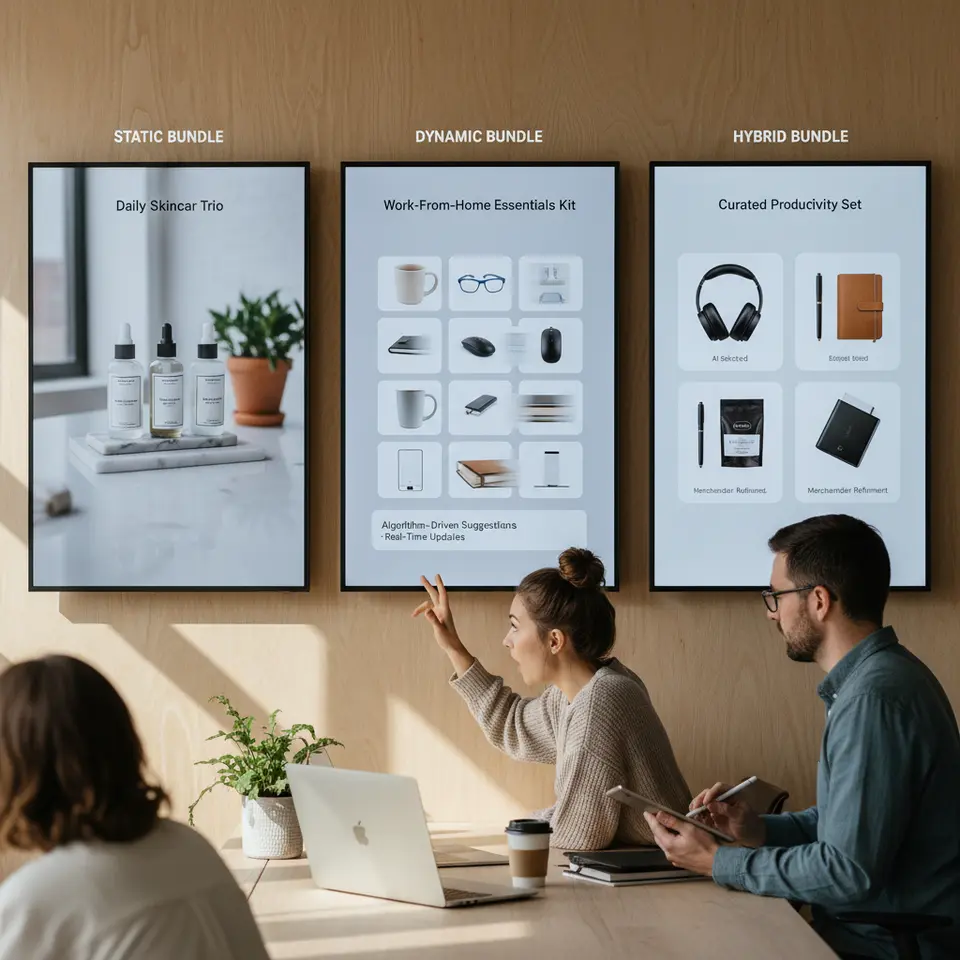
Personalized product bundles are sets of two or more items packaged and marketed together at a single price point, with the twist that each bundle aligns with individual shopper preferences. Instead of static groupings curated solely by product managers, these bundles harness algorithmic insights from customer relationship management (CRM) systems, website analytics, and purchase histories. The result is an offer that feels bespoke: a Daily Skincare Trio tailored to dry skin, or a Work-From-Home Essentials Kit based on your recent search for ergonomic accessories.
The concept can take several forms. Static bundles are predefined collections that highlight best-selling combinations, making them simple to manage but limited in personalization depth. Dynamic bundles rely on real-time data processing—leveraging machine learning models to identify which items a shopper is most likely to buy together. A hybrid approach might involve algorithmic suggestions refined by a merchandiser for brand consistency.
Why are personalized product bundles so effective? First, they reduce customer effort: buyers don’t need to sift through dozens of options to find what complements their initial selection. Second, bundling creates perceived value through cohesive theming and transparent savings. Research from the U.S. Census Bureau shows that bundled offerings can increase average revenue per user by up to 30% within a quarter . Finally, these targeted sets instill a sense of exclusivity, as shoppers feel the brand understands their unique needs.
In today’s retail environment, where loyalty is hard-won and price competition is fierce, personalized product bundles serve as a bridge between relevance and revenue. They speak directly to each consumer, offering clarity and convenience while reinforcing brand credibility.
Benefits of Curated Offerings
Implementing personalized product bundles delivers multifaceted advantages that resonate across marketing, sales, and operational teams. Below are the top benefits driving adoption among leading e-commerce brands today. Learn more about Build Trust, Then Promote.
1. Increased Average Order Value (AOV)
Bundling encourages shoppers to purchase multiple items in a single transaction rather than isolating individual products. When presented with a cohesive package—complete with perceived savings—customers are more inclined to add the bundle to their cart. According to a study by the Massachusetts Institute of Technology (MIT), targeted bundle recommendations can lift AOV by up to 25%.
2. Enhanced Customer Experience
Customers appreciate when a brand simplifies their decision-making. Personalized bundles eliminate guesswork by surfacing items that logically fit together based on past behavior and preferences. This streamlined experience reduces cognitive load and leads to higher satisfaction scores.
3. Stronger Loyalty and Retention
Brands that deliver relevant recommendations cultivate deeper emotional connections. By continually providing value through tailored bundles, companies encourage repeat purchases and improve customer lifetime value (CLV). In today’s digital landscape, retention often outweighs acquisition in terms of long-term profitability.
4. Optimized Inventory Management
Bundling can strategically pair overstocked or slow-moving SKUs with popular items, clearing inventory while maintaining healthy margins. This tactic not only reduces holding costs but also uncovers hidden revenue potential in underperforming products.
5. Natural Cross-Selling and Upselling
Personalized bundles provide an organic pathway for cross-sell and upsell opportunities. Instead of abrupt pop-ups or unrelated suggestions, bundles showcase complementary items cohesively, educating shoppers about product synergies they might otherwise overlook.
Together, these benefits underscore why personalized product bundles have become a cornerstone tactic for brands aiming to maximize revenue and strengthen customer relationships in 2026.
Designing Effective Bundles
Creating compelling personalized product bundles requires a strategic approach. Follow these six steps to ensure your bundles drive engagement and revenue.
1. Gather and Segment Customer Data
Begin by tapping into your CRM, website analytics, and purchase records. Segment customers by behavior, interests, demographics, and transaction history. Look for patterns—frequent co-purchases, seasonal spikes, or regional preferences. This segmentation lays the groundwork for relevance.
2. Define Your Bundling Model
Choose between static, dynamic, or hybrid bundles. Static bundles are straightforward but limited in personalization. Dynamic bundles leverage machine learning to generate offers in real time, demanding more technical infrastructure. Hybrid models balance algorithmic precision with human curation for brand consistency.
3. Select Complementary Products
Identify items that naturally fit together by use case or theme. For instance, a fitness bundle might include performance shoes, moisture-wick socks, and a smartwatch. Be mindful of logical connections—style, function, or customer reviews—to enhance perceived value.
4. Establish Competitive Pricing
Pricing strategy is crucial. Aim for a bundle discount in the range of 15–30% off aggregate individual prices. Be transparent about savings—such as “Save 20% when you purchase this set”—to reinforce the offer’s attractiveness without sacrificing profit margins.
5. Personalize Presentation
Embed personalized bundle suggestions across multiple touchpoints: on-site recommendation modules, targeted email campaigns, and dynamic ads. Use recipient names or reference prior purchases to reinforce relevance (e.g., “Based on your recent skincare order, you’ll love this trio!”).
6. Test, Measure, and Iterate
Continuously conduct A/B tests on bundle configurations, discount levels, and display formats. Track performance metrics—click-through rate, conversion rate, average order value, and customer lifetime value. Use these insights to refine your strategy and scale the most impactful bundles.
By following this framework, you’ll craft personalized product bundles that resonate with individual shoppers, drive higher engagement, and lift overall revenue.
Tools and Technologies to Power Personalized Bundles

Automating the creation and delivery of personalized product bundles requires specialized platforms and integrations. Below are key categories and leading solutions to consider this year (2026).
Recommendation Engines
AI-driven recommendation engines analyze real-time behavior and historical data to generate hyper-relevant bundle suggestions. Leading options include Nosto, Algolia, and Dynamic Yield, which can seamlessly embed personalized modules on your site.
E-commerce Platforms and Bundle Apps
Major commerce platforms—Shopify, Magento, and BigCommerce—offer native or third-party bundle and upsell extensions. These tools simplify set-up, allowing you to configure static or dynamic bundles without custom development.
Email Automation and CRM Integrations
Use email marketing platforms such as Klaviyo, Mailchimp, or Drip to segment audiences and deliver personalized bundle offers directly to inboxes. Sync CRM data to trigger dynamic product recommendations based on customer behavior.
Analytics and Reporting Suites
Accurate measurement is key. Solutions like Google Analytics, Mixpanel, and Amplitude track bundle performance, user interactions, and conversion funnels. Combine these insights with CRM reports to gain a holistic view of ROI.
Inventory and Order Management Systems
Ensure bundle availability by integrating your real-time inventory management solution. Tools like TradeGecko or Skubana prevent stockouts and order cancellations by dynamically adjusting bundle eligibility based on SKU levels.
By leveraging these technologies, businesses can scale personalized product bundles efficiently, ensuring each offer remains relevant and profitable in today’s fast-moving market.
Case Studies and Best Practices
Examining real-world examples reveals how top brands use personalized product bundles to drive results. These case studies highlight proven strategies and common pitfalls to avoid.
Amazon Subscribe & Save
Amazon’s “Subscribe & Save” program bundles recurring essentials—like household supplies and pet food—at discounted rates. By automating repeat orders and offering up to 15% savings, Amazon secures ongoing revenue and simplifies life for busy customers.
Meal Kit Delivery Services
Companies such as HelloFresh and Blue Apron leverage subscriber data to personalize weekly meal kit bundles. They consider dietary preferences, family size, and cooking skill level to assemble recipe boxes. The result: a streamlined culinary experience that fosters strong subscriber loyalty.
Beauty and Skincare Retailers
Brands like Sephora and Glossier deploy dynamic quizzes that capture skin type, concerns, and aesthetic goals. Based on responses, the platform instantly generates tailored skincare bundles—complete with cleansers, serums, and tools—at a promotional price. This approach drives higher conversion rates and deepens customer profiles.
Best Practices
- Clear Messaging: Emphasize the bundle’s content, savings, and benefits. Customers should instantly understand what they’re purchasing and why it’s valuable.
- Moderate Discounts: Avoid overly steep price cuts that condition shoppers to wait for deep deals. Aim for balanced savings that incentivize purchase without devaluing your brand.
- Inventory Integration: Sync real-time stock data to prevent promoting bundles with unavailable items, reducing cancellation rates and customer frustration.
- Focused Recommendations: Limit suggestions to two or three high-relevance bundles to prevent choice overload and maintain clarity.
- Monitor Cannibalization: Track the ratio of bundled versus standalone sales. Ensure bundles enhance overall margins rather than displace higher-margin individual items.
These insights and examples demonstrate how personalized product bundles can be a transformative product promotion tactic for ambitious brands in 2026.
Frequently Asked Questions (FAQs)
- What is a personalized product bundle?
A personalized product bundle is a curated set of complementary items tailored to an individual shopper’s preferences, behavior, or purchase history to increase relevance and conversions. - How do personalized bundles increase sales?
By combining items shoppers are likely to buy together, bundles increase average order value (AOV) and encourage additional purchases through relevant recommendations. - What is the difference between static and dynamic bundles?
Static bundles are predefined sets chosen manually, while dynamic bundles use real-time customer data and AI to generate personalized combinations for each shopper automatically. - Which technologies help create personalized product bundles?
AI-driven recommendation engines, CRM integrations, e-commerce bundle apps, email automation, analytics tools, and inventory management systems are essential for personalized bundling. - How do I measure the success of product bundles?
Key metrics include average order value (AOV), bundle conversion rate, customer lifetime value (CLV), click-through rate on recommendations, and cannibalization versus standalone sales. - Can personalized bundles improve customer loyalty?
Yes. Bundles that match a shopper’s preferences enhance the shopping experience, foster trust, and encourage repeat purchases, boosting lifetime customer value. - How should I price product bundles?
Offer a discount of 15–30% off individual item prices, ensuring transparency of savings while maintaining profitability and perceived value. - What are best practices for designing bundles?
Keep bundles relevant, simple, and limited in number, integrate real-time inventory, highlight savings clearly, and test different combinations for optimal performance. - Can gamification be used with product bundles?
Yes. Reward points, progress bars, and badges can gamify bundle purchases, motivating customers to explore more products and increase engagement. - How often should bundles be updated?
Regularly—based on customer behavior, seasonality, inventory levels, and performance analytics—to maintain relevance, drive conversions, and avoid stale offerings.
Conclusion
Personalized product bundles offer a compelling blend of relevance, convenience, and value—three factors that resonate strongly with modern shoppers. By leveraging customer data, defining a clear bundling strategy, and integrating the right tools, brands can elevate their promotional efforts and drive measurable uplifts in average order value and customer loyalty.
As you embark on implementing or refining your bundle strategy, remember to test relentlessly, analyze performance metrics, and iterate based on insights. This year, personalized product bundles can be the catalyst that transforms one-time buyers into enthusiastic brand advocates. Start by reviewing your data, drafting your first curated set, and watching how a tailored approach revolutionizes your sales and shopper relationships in today’s competitive e-commerce landscape.