Creative promotional products help brands build awareness, loyalty, and engagement through useful, innovative, and personalized items. They go beyond giveaways to create emotional connections, improve recall, and drive long-term marketing ROI across industries using sustainable, tech-driven, and experiential design strategies.
In today’s highly competitive marketplace, brands are constantly searching for ways to stand out, stay memorable, and build meaningful connections with their audience. While digital marketing dominates much of modern advertising, one traditional strategy continues to deliver exceptional results when used creatively: promotional products.
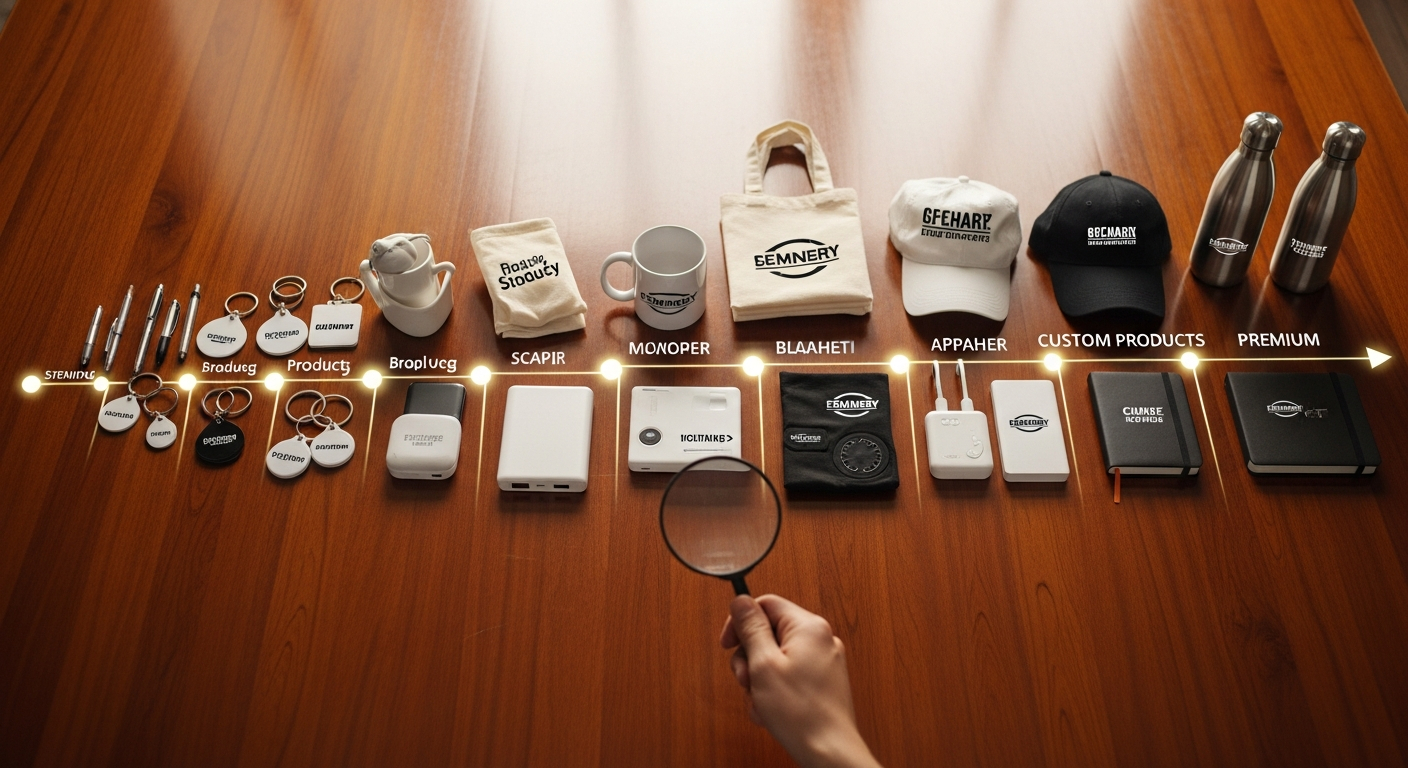
However, the era of basic pens, cheap keychains, and generic mugs is fading. Consumers today expect more thoughtful, useful, and engaging brand experiences. That’s why creative promotional products have become one of the most powerful tools in modern marketing.
Creative promotional products are no longer just giveaways. They are brand experiences. When designed strategically, they can increase awareness, improve customer loyalty, generate leads, and even drive long-term revenue growth.
What Are Creative Promotional Products?
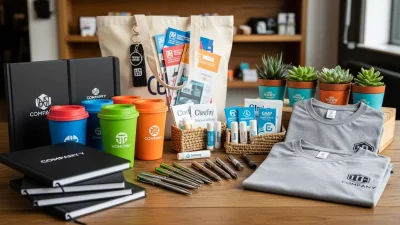
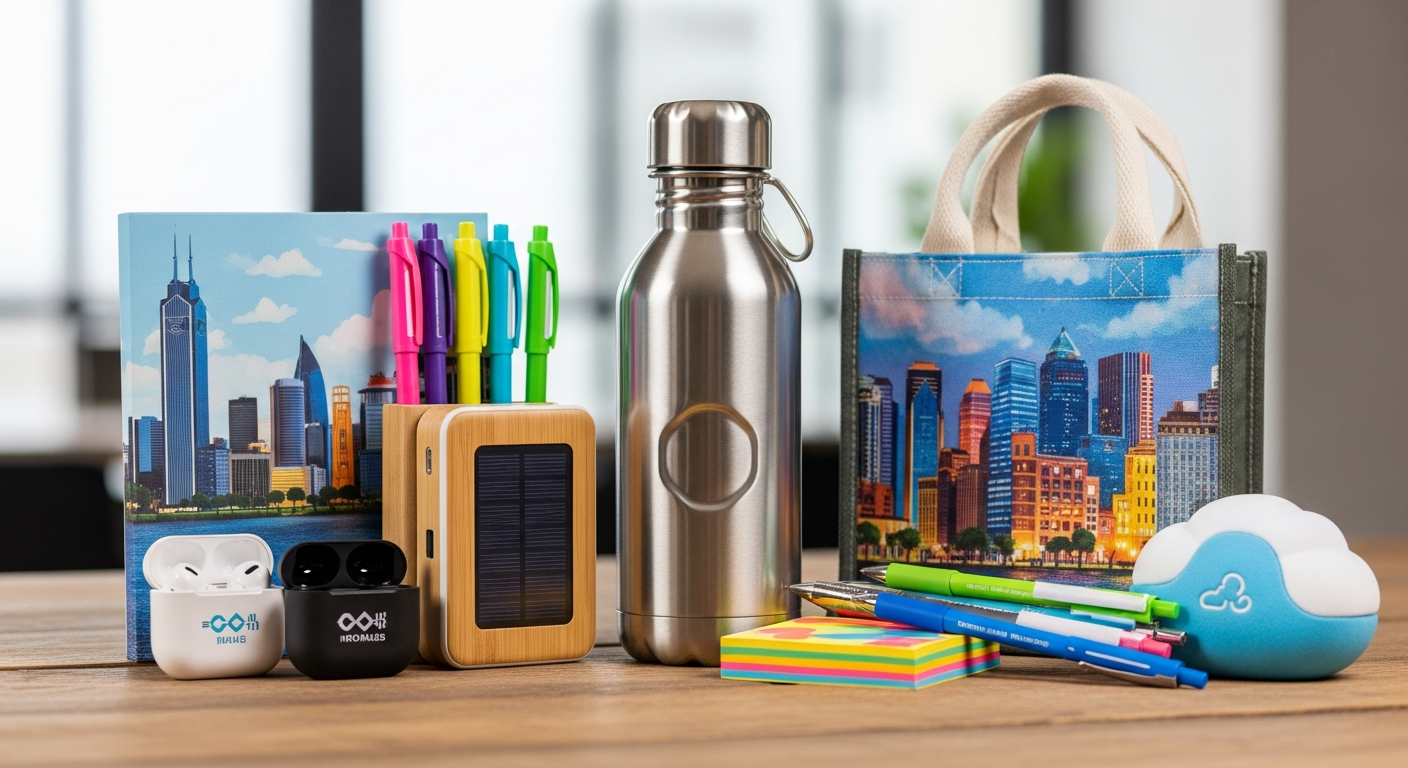
Creative promotional products are branded items designed to be useful, memorable, and emotionally engaging rather than generic or disposable. These products go beyond simple logo placement and instead focus on delivering value to the recipient.
They are designed with three key goals in mind:
- Increase brand visibility
- Create positive emotional connections
- Encourage repeated use or interaction
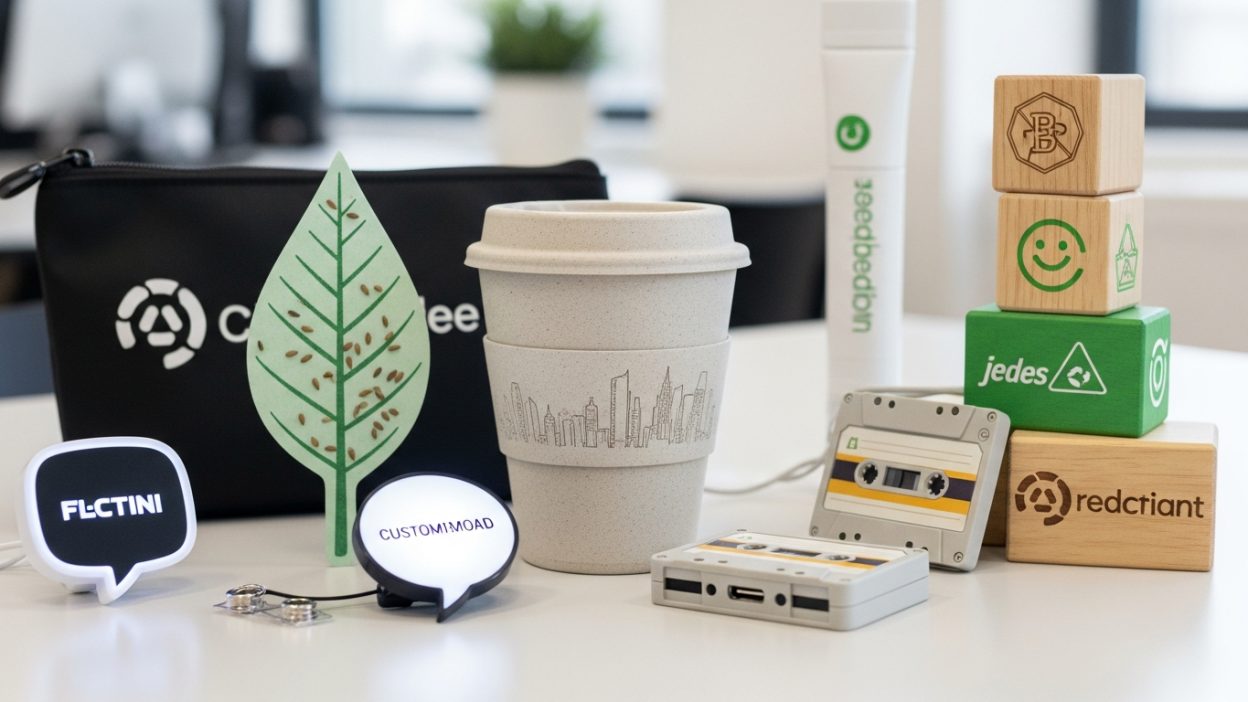
Unlike traditional promotional items, creative products often include innovation, personalization, sustainability, or interactive features that make them more desirable.
Examples include:
- Smart tech gadgets with branding
- Eco-friendly reusable products
- Personalized corporate gift boxes
- Experience-based promotional kits
- Interactive QR or NFC-enabled items
The goal is simple: make people want to keep and use the product, not throw it away.
Why Creative Promotional Products Matter in Modern Marketing
1. Stronger Brand Recall
People are exposed to thousands of digital ads every day. Most are forgotten within seconds. Promotional products, however, physically remain with the user.
A branded item sitting on a desk or used daily in a routine creates repeated brand exposure. This repetition improves memory retention and brand recognition.
2. Emotional Connection with Customers
Receiving a thoughtful promotional product creates a sense of appreciation. Unlike digital ads, physical items feel personal and intentional.
This emotional impact strengthens trust between the customer and the brand.
3. Higher Perceived Value
Well-designed promotional products feel like gifts rather than advertisements. When people perceive value, they are more likely to engage positively with the brand.
4. Long-Term Marketing Exposure
Unlike paid ads that disappear after a campaign ends, promotional products can last for months or even years, providing continuous exposure.
5. Increased Word-of-Mouth Marketing
Unique or creative items often get shared with others or posted on social media, increasing organic reach.
Key Features of Effective Promotional Products
Not all promotional items are effective. The best creative promotional products share several key characteristics.
Utility
The product should serve a purpose in the user’s daily life.
Creativity
It should stand out from standard promotional items.
Quality
Poor-quality items can damage brand perception.
Relevance
The product must align with the audience’s lifestyle and interests.
Memorability
It should leave a lasting impression.
30+ Creative Promotional Product Ideas
Tech-Based Promotional Products
Technology remains one of the most popular categories in promotional marketing.
- Wireless charging pads
- Bluetooth trackers
- USB flash drives with custom design
- Portable power banks
- Smart key finders
- Branded earbuds cases
- Laptop webcam covers
These products are highly practical and frequently used.
Eco-Friendly Promotional Products
Sustainability is a major global trend, making eco-friendly products extremely valuable.
- Reusable water bottles
- Bamboo desk organizers
- Seed planting kits
- Recycled tote bags
- Stainless steel straws
- Solar-powered gadgets
- Compostable notebooks
These products also communicate brand responsibility.
Office and Productivity Products
Ideal for corporate audiences and remote workers.
- Custom notebooks and planners
- Ergonomic desk accessories
- Branded pens with premium design
- Sticky note organizers
- Desk plants and mini gardens
- Cable organizers
Wellness and Lifestyle Products
Wellness-focused products are highly appreciated in modern marketing.
- Yoga mats with branding
- Stress relief kits
- Aromatherapy candles
- Fitness bands
- Hydration reminder bottles
- Meditation kits
Food and Beverage Promotional Kits
Food-related items create strong emotional engagement.
- Coffee gift sets
- Snack subscription boxes
- Branded chocolate packages
- DIY cooking kits
- Tea sampler boxes
Travel and Outdoor Products
Perfect for lifestyle and adventure-focused brands.
- Travel organizers
- Portable luggage tags
- Foldable backpacks
- Travel pillows
- Mini coolers
- Outdoor picnic sets
Luxury Promotional Products
Used for premium clients and high-value customers.
- Leather notebooks
- Premium gift hampers
- Designer drinkware
- High-end tech accessories
- Customized business kits
Industry-Wise Use of Promotional Products
E-commerce Brands
E-commerce businesses use promotional products for customer retention, packaging inserts, and loyalty programs.
Real Estate
Agents use welcome kits, home gift sets, and branded tools to build relationships.
Healthcare
Wellness kits, hygiene products, and informational packages help improve trust.
Education
Schools and universities use onboarding kits, stationery, and student packs.
Technology Companies
Tech firms focus on gadgets, productivity tools, and branded digital accessories.
How Creative Promotional Products Improve Marketing ROI
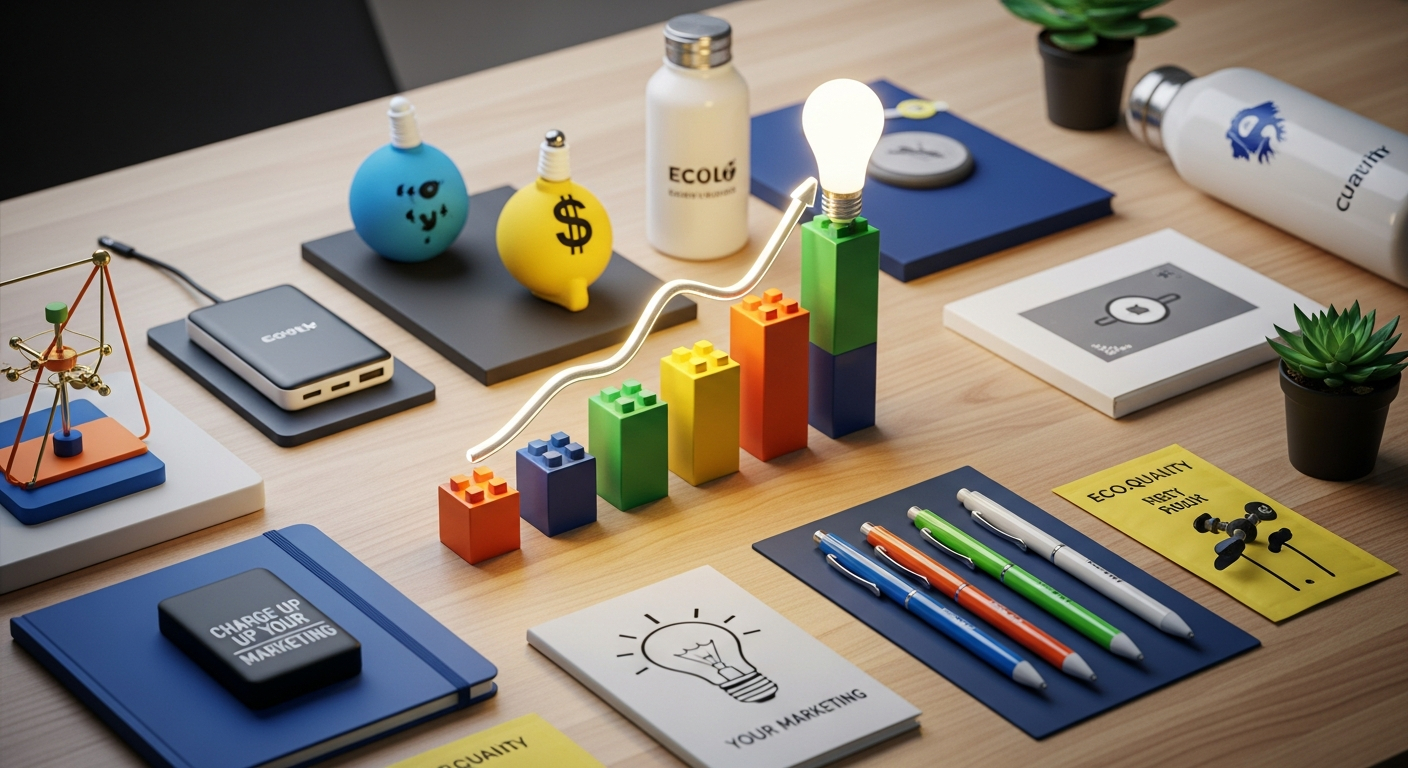
Promotional products are often underestimated in ROI measurement. However, when used correctly, they deliver measurable returns.
Lead Generation
Trade shows and events benefit from promotional giveaways that attract potential customers.
Customer Retention
Gifts improve loyalty and increase repeat purchases.
Brand Awareness
Every use of a promotional item reinforces brand visibility.
Social Media Engagement
Unique products often get shared online, increasing organic reach.
Sales Conversion
Promotional incentives can encourage purchase decisions.
Trends in Creative Promotional Products
Personalization
Custom names, messages, and designs are becoming standard.
Sustainability
Eco-friendly promotional items are increasingly in demand.
Smart Technology Integration
NFC tags, QR codes, and connected devices are growing in popularity.
Experience-Based Products
Brands are moving toward interactive and experiential giveaways.
Subscription-Based Merchandise
Monthly or seasonal branded boxes are becoming popular for customer engagement.
Mistakes to Avoid in Promotional Product Marketing
Choosing Cheap Products
Low-quality items can damage brand reputation.
Ignoring Audience Needs
Products must align with user interests.
Overbranding
Too much branding can reduce usability and appeal.
Lack of Strategy
Promotional products should always support a marketing goal.
How to Choose the Right Promotional Products
Understand Your Audience
Identify what your customers value most.
Define Campaign Goals
Clarify whether the goal is awareness, sales, or retention.
Focus on Utility
Practical products perform better long-term.
Align with Brand Identity
Ensure consistency with brand values and messaging.
Consider Longevity
Choose items that will be used repeatedly.
Promotional Products for Customer Engagement
Creative products are powerful tools for engagement strategies.
- Loyalty rewards
- Referral gifts
- Surprise appreciation gifts
- Event giveaways
- Seasonal promotions
Employee Engagement with Promotional Products
Promotional products are also effective internally.
- Employee onboarding kits
- Work-from-home bundles
- Corporate celebration gifts
- Performance rewards
They improve morale and brand loyalty within teams.
Measuring Success of Promotional Campaigns
Key Metrics
- Customer acquisition rate
- Conversion rate
- Engagement rate
- Repeat purchase rate
- Social mentions
Tracking Methods
- QR codes
- Promo codes
- Landing pages
- Customer surveys
Future of Creative Promotional Products
The future of promotional marketing is evolving rapidly.
We can expect:
- More AI-driven personalization
- Fully interactive smart products
- AR/VR-enhanced promotional experiences
- Sustainable and zero-waste materials
Digital-physical hybrid marketing tools
Frequently Asked Questions (FAQ)
1. What are creative promotional products in marketing?
Creative promotional products are branded items designed to promote a business in a more engaging and meaningful way than traditional giveaways. Instead of simple pens or mugs, they focus on usefulness, design, and innovation. Examples include tech gadgets, eco-friendly items, and personalized gift kits. Their main goal is to increase brand recall, create emotional connections, and encourage repeated use, making the brand more memorable in everyday life.
2. Why are creative promotional products important for businesses?
They are important because they help businesses stand out in a crowded market. Unlike digital ads that disappear quickly, physical products remain with customers for months or years. This creates continuous brand exposure. They also build trust and emotional value, as people appreciate receiving useful or thoughtful gifts. This leads to stronger customer loyalty and improved long-term marketing results.
3. What types of creative promotional products work best?
The best types depend on your audience, but highly effective categories include tech gadgets (like power banks and USB drives), eco-friendly items (such as reusable bottles and bamboo products), lifestyle gifts (like wellness kits), and personalized corporate gifts. Products that are practical, durable, and aligned with customer interests tend to perform the best in terms of engagement and retention.
4. How do promotional products help increase brand awareness?
Promotional products increase brand awareness by creating repeated exposure. When customers use a branded item daily—such as a notebook, water bottle, or phone accessory—they are constantly reminded of the brand. This repeated visibility strengthens memory retention. Additionally, unique products often get shared with others or displayed publicly, expanding brand reach beyond the original recipient.
5. Are creative promotional products cost-effective for marketing?
Yes, they are highly cost-effective when used strategically. Although there is an upfront cost for production, the long-term exposure often delivers a lower cost per impression compared to digital ads. A single promotional product can generate hundreds or even thousands of impressions over its lifetime, making it a strong ROI-driven marketing tool when chosen wisely.
6. What industries benefit most from promotional products?
Almost all industries can benefit, but some see especially strong results. E-commerce brands use them for packaging and loyalty programs, real estate companies use them for client gifting, healthcare providers use them for patient engagement, and tech companies use them for branded gadgets. Education, hospitality, and finance sectors also use promotional products to strengthen relationships and improve trust.
7. How do I choose the right promotional product for my brand?
To choose the right product, you need to understand your audience, marketing goals, and brand identity. Start by identifying what your customers use in daily life. Then select items that are practical, high-quality, and aligned with your message. For example, a tech brand might choose gadgets, while an eco-friendly brand might focus on sustainable products. The key is relevance and usefulness.
8. Can promotional products improve customer loyalty?
Yes, promotional products play a strong role in improving customer loyalty. When customers receive a thoughtful gift, they feel valued and appreciated. This emotional connection increases trust and encourages repeat business. Loyalty programs that include branded gifts or surprise giveaways are especially effective in keeping customers engaged over the long term.
9. What are the latest trends in promotional products?
Modern trends include personalization, eco-friendly materials, smart technology integration, and experience-based gifting. Personalized items with names or custom messages are becoming very popular. Sustainable products made from recycled or natural materials are also in demand. Additionally, QR codes, NFC-enabled products, and interactive experiences are shaping the future of promotional marketing.
10. How do companies measure the success of promotional campaigns?
Companies measure success using key performance indicators such as brand awareness, customer engagement, conversion rates, repeat purchases, and social media mentions. They may also track results using QR codes, promo codes, landing pages, or surveys. By analyzing these metrics, businesses can understand how effective their promotional products are and improve future campaigns.
Conclusion
Creative promotional products remain one of the most effective offline and hybrid marketing strategies available today. When designed thoughtfully, they do much more than promote a logo—they create lasting impressions, build emotional connections, and strengthen brand identity.
In a world saturated with digital ads, physical experiences stand out more than ever. Businesses that invest in creative, high-quality promotional products gain a competitive advantage by staying visible and memorable in the minds of their audience.
The key is not just giving something away—it is giving something meaningful.
When done right, creative promotional products transform simple branding into powerful storytelling that customers remember long after the first interaction.