Crafting a successful product marketing strategy can make or break a product’s success. Whether you’re launching a groundbreaking new product or leveling up an existing one, having a strong strategy will streamline your efforts and ensure your message resonates with the right audience at the right time.
This post will walk you through the entire process of building your product marketing strategy. From understanding your customers to setting measurable goals and crafting compelling messages, we’ll cover all the bases. If you’re ready to make your product stand out in a competitive market, this guide has you covered.
What is a Product Marketing Strategy?
A product marketing strategy is a detailed plan that outlines how you’ll position and promote a product to your target market. It bridges the gap between product development and sales by focusing on understanding your audience, differentiating your product, and building an emotional connection with your brand.
When done right, a product marketing strategy ensures your product reaches its full potential by aligning customer needs with your value proposition. It also provides a roadmap for executing marketing tactics, tracking performance, and achieving business goals.
Why Should You Care About Product Marketing Strategy?

Skipping or underestimating the importance of a product marketing strategy often leads to wasted marketing budgets, lower sales, and a confused target audience. Consider these benefits of having a well-defined strategy:
- Customer Understanding: Pinpoints exactly who your customers are and what they need.
- Market Positioning: Helps you stand out by clearly communicating what makes your product unique.
- Goal Alignment: Ensures all teams (marketing, sales, and product development) work toward the same objectives.
- Efficient Use of Resources: Let’s you focus marketing efforts where they’ll have the highest impact.
- Consistent Messaging: Builds brand reputation and trust across different channels.
By focusing on the above, you can create campaigns that pack a punch while positioning your product to succeed in a crowded marketplace.
Key Steps to Building Your Product Marketing Strategy

1. Define Your Target Audience
Before anything else, you need to define who you’re marketing to. You can’t market to everyone, and narrowing down your audience helps your message stand out.
Here’s how to define your target audience:
- Build Buyer Personas: Identify key demographics such as age, profession, income levels, and regions. Go beyond surface-level traits to dig into behavior, values, and motivations.
- Conduct Market Research: Use surveys, interviews, and secondary research to understand your audience’s pain points and desires.
- Leverage Existing Customer Data: Analyze purchasing patterns, website behavior, and customer feedback to uncover trends.
Remember, the clearer your understanding of your customers, the more tailored your product marketing strategy will be.
2. Understand Your Product’s Value Proposition
Ask yourself, What makes my product worth buying?
Your value proposition defines why someone should choose your product over alternatives. Focus on these elements:
- Unique Features: What does your product offer that no one else does?
- Customer Pain Points: How does your product solve specific problems?
- Tangible Benefits: What results or improvements can customers expect?
Refine your value proposition into one or two concise statements. This will become the foundation for all your messaging.
3. Conduct a Competitive Analysis
Understanding your competitors is crucial for carving out your niche in the market. Start by identifying who your competitors are and what makes their products successful (or not).
Here’s a quick framework to analyze the competition:
- Identify Strengths: What are they doing well? Is it their messaging, customer support, or product reliability?
- Spot Weaknesses: Where are they falling short? Do they have outdated features or unclear communication?
- Find Opportunities: Are there underserved market segments or unmet customer needs your product can cater to?
Use this research to ensure that your product addresses any gaps in the market and meets your target audience’s needs better than alternatives.
4. Craft Messaging That Resonates
Your messaging framework is the backbone of your product marketing strategy. It takes your value proposition and communicates it in a way that captures attention and evokes emotion.
Your messaging should:
- Highlight Benefits First: Most customers care about how you can make their lives better, not just product specs.
- Be Simple and Clear: Avoid jargon and ensure your message makes sense to your target audience.
- Evoke Emotion: People connect with stories, so use storytelling to bring your product’s benefits to life.
Example of compelling messaging:
Instead of saying, “Our productivity tool has advanced collaboration features,” try saying, “Stop wasting hours on emails. Collaborate faster and smarter with our tool.”
5. Plan Your Go-to-Market (GTM) Strategy

A go-to-market strategy outlines how you’ll introduce your product to the market. It clarifies the timing, channels, and tactics to maximize your product’s launch impact.
Key components of your GTM strategy:
- Launch Timeline: Set clear milestones for the pre-launch, launch, and post-launch phases.
- Marketing Channels: Choose the most suitable mediums (email, social media, content marketing, etc.) to reach your audience.
- Sales Enablement: Equip your sales team with the tools and knowledge they need to sell effectively.
- Partnerships: Leverage partnerships or influencers to extend your reach.
6. Set Measurable Goals
What does success look like? Define clear, measurable objectives using key performance indicators (KPIs). Common KPIs include:
- Website traffic
- Lead generation
- Conversion rates
- Customer retention
- Revenue generated
Every goal should follow the SMART framework:
Specific, Measurable, Achievable, Relevant, and Time-bound.
For example:
Increase new customer sign-ups by 25% within six months of launch.
Monitoring KPIs allows you to track progress and tweak your strategy when necessary.
7. Continuously Iterate and Improve
The market is always changing, so your product marketing strategy should evolve too. Use post-launch feedback, performance analytics, and competitor analysis to identify areas of improvement.
Key tools to invest in:
- CRM Platforms for customer data insights (e.g., HubSpot, Salesforce)
- Analytics Tools for website and campaign performance (e.g., Google Analytics, SEMrush)
- Survey Tools for direct customer feedback (e.g., SurveyMonkey)
Remember, perfection is a moving target. Continuous iteration ensures long-term success.
8. Leverage Multi-Channel Marketing for Maximum Impact
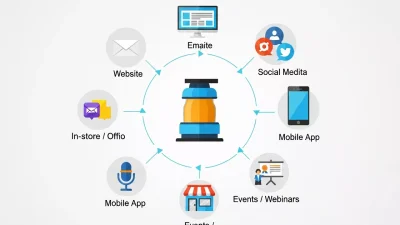
A strong product marketing strategy doesn’t rely on a single channel; it leverages multiple platforms to reach potential customers wherever they are. Multi-channel marketing ensures your product messaging is consistent, strengthens brand visibility, and maximizes engagement.
Key Multi-Channel Approaches:
- Social Media Marketing: Platforms like Instagram, LinkedIn, Twitter, and TikTok allow targeted campaigns and community building.
- Email Marketing: Segmented email campaigns nurture leads, inform existing customers, and drive conversions.
- Content Marketing: Blogs, whitepapers, case studies, and videos educate your audience while positioning your brand as an industry leader.
- Paid Advertising: Google Ads, social media ads, and retargeting campaigns help amplify reach and drive traffic.
- Events and Webinars: Hosting live or virtual events builds authority and encourages interaction with your brand.
Tips for Successful Multi-Channel Execution:
- Ensure messaging is consistent across all platforms.
- Track performance on each channel to allocate resources efficiently.
- Optimize campaigns based on engagement metrics such as CTR, conversion rate, and bounce rate.
Example Table: Multi-Channel KPI Tracking
| Channel | Key Metric | Frequency of Review | Actionable Insight |
|---|---|---|---|
| Social Media Ads | CTR, Engagement Rate | Weekly | Adjust creatives or targeting |
| Email Marketing | Open Rate, Conversion | Weekly | Refine subject lines or segmentation |
| Content Marketing | Page Views, Time on Page | Monthly | Update content for relevancy |
| Paid Advertising | CPC, ROI | Weekly | Reallocate budget to top-performing ads |
| Events/Webinars | Attendance, Feedback Score | After Event | Refine presentation or topic selection |
9. Utilize Customer Feedback for Continuous Optimization

No marketing strategy should be static. Customer feedback is a goldmine of insights, guiding product improvements, refining messaging, and enhancing user experience. Listening to your audience ensures that your marketing remains relevant and impactful.
Ways to Collect Customer Feedback:
- Surveys and Questionnaires: Gather structured insights on satisfaction, feature preferences, and pain points.
- User Interviews: Conduct deep conversations with key users to understand needs and motivations.
- Social Listening: Monitor social media conversations to spot trends, complaints, and opportunities.
- Product Reviews: Analyze feedback on marketplaces or app stores to identify improvement areas.
- Customer Support Data: Use support tickets to highlight recurring issues and adjust marketing messages.
Using Feedback Effectively:
- Refine Product Messaging: Address common pain points highlighted by customers.
- Optimize Marketing Campaigns: Highlight features or benefits most valued by your audience.
- Drive Product Development: Use insights to guide product enhancements or new features.
- Improve Customer Experience: Adjust onboarding, tutorials, or post-purchase support.
Example Workflow Table: Feedback Integration
| Feedback Source | Type of Insight | Marketing Action | Product Action |
|---|---|---|---|
| Surveys | Pain points | Highlight the solution in messaging | Add missing features |
| Social Media | Trends and preferences | Adjust ad targeting | Adapt product features |
| Reviews | Feature requests | Promote popular features | Implement improvements |
| Customer Support | Usability issues | Update onboarding & FAQs | Enhance UX/UI |
10. Track, Measure, and Refine Your Strategy
A well-crafted strategy is only as good as your ability to measure its impact. Without monitoring performance, it’s impossible to know what works and what doesn’t. Tracking KPIs ensures your marketing efforts are aligned with business goals and ROI-focused.
Core Metrics to Monitor:
- Customer Acquisition Cost (CAC): How much it costs to acquire a new customer.
- Conversion Rate: Percentage of leads converted into paying customers.
- Customer Retention Rate: Measures loyalty and ongoing engagement.
- Revenue Growth: Tracks the impact of marketing campaigns on sales.
- Campaign ROI: Evaluates the return on investment for each initiative.
Tips for Effective Tracking:
- Use analytics tools like Google Analytics, HubSpot, or Salesforce to centralize data.
- Set regular review intervals (weekly, monthly, quarterly) to assess progress.
- Be flexible—adjust campaigns based on trends, seasonality, and competitor activity.
- Document learnings for future strategy refinements.
Example KPI Tracking Table:
| Metric | Target Goal | Current Status | Action Plan |
|---|---|---|---|
| CAC | $50 per customer | $60 | Optimize ad targeting, reduce ad spend |
| Conversion Rate | 10% | 8% | Test landing page & messaging |
| Customer Retention Rate | 80% | 75% | Launch loyalty program |
| Revenue Growth | 15% YoY | 12% | Adjust campaigns, introduce upsells |
| Campaign ROI | 3:1 | 2.5:1 | Reallocate budget to top-performing channels |
By consistently tracking these metrics, you’ll gain the insights needed to iterate your strategy, refine messaging, and scale your product marketing efforts effectively.
Your Next Step to Product Marketing Success
Building a product marketing strategy takes time, but it pays off in big ways by aligning your product’s potential with your customers’ needs. With these steps, you’re well on your way to crafting a strategy that drives results and establishes your presence in a competitive marketplace.
Now it’s time to take action. Start small by defining your audience and fine-tuning your value proposition. Before you know it, you’ll have a powerful strategy in place that can elevate your product and brand.
Frequently Asked Questions (FAQ) – Product Marketing Strategy
1. What is a product marketing strategy?
A product marketing strategy is a detailed plan outlining how to position, promote, and sell a product to the right audience. It bridges product development and sales by aligning customer needs with the product’s value proposition.
2. Why is a product marketing strategy important?
A clear strategy ensures efficient use of marketing resources, consistent messaging, market differentiation, and measurable results. Without it, campaigns may fail, budgets are wasted, and potential customers may be confused about your product’s benefits.
3. How do I define my target audience?
Build detailed buyer personas using demographic, behavioral, and psychographic data. Conduct market research, analyze existing customer data, and identify pain points, motivations, and preferences to tailor your marketing messages effectively.
4. What is a value proposition, and why does it matter?
Your value proposition explains why customers should choose your product over competitors. It highlights unique features, solves customer problems, and communicates tangible benefits. A strong value proposition guides messaging and campaign development.
5. How do I conduct a competitive analysis?
Identify competitors, assess their strengths, weaknesses, and strategies, and find gaps in the market. This ensures your product addresses unmet needs and differentiates effectively from alternatives.
6. What is a go-to-market (GTM) strategy?
A GTM strategy defines how a product is launched, including timing, channels, sales enablement, and promotional tactics. It ensures maximum impact during product introduction and early adoption stages.
7. Which marketing channels should I use?
Select channels based on where your target audience engages. Options include email, social media, content marketing, paid advertising, influencer collaborations, and partnerships. Multi-channel strategies often yield the best results.
8. How do I measure the success of my product marketing strategy?
Track key performance indicators (KPIs) such as:
- Website traffic and engagement
- Lead generation and conversion rates
- Customer retention and loyalty
- Revenue growth
- Campaign ROI
9. How often should I refine my product marketing strategy?
Continuously. Use customer feedback, analytics, and competitive insights to adjust messaging, campaigns, and positioning. Markets and consumer preferences evolve, so ongoing iteration ensures long-term success.
10. Can small businesses benefit from a product marketing strategy?
Absolutely. A clear strategy helps small businesses allocate limited resources efficiently, target the right audience, differentiate from competitors, and maximize ROI.
learn more about: What is Product Marketing on Reddit? Real User-Based Learning