In the world of product marketing, building authority and driving demand are two sides of the same coin. Product Marketers need more than just great products—they need their voices heard, their brands trusted, and their pipelines steadily filled. Content Marketing serves as one of the most effective ways to achieve both. It helps establish credibility, educate customers, and create a pull that complements traditional push tactics.
This guide walks you through how Product Marketers can use content marketing to build authority and generate demand. We’ll cover strategy, execution, measurement, and scaling so you can design a content program that does more than just talk—it converts.
Why Authority & Demand Matter in Content Marketing

In today’s competitive business landscape, Content Marketing for Product Marketers plays a vital role in building both authority and demand. For Product Marketers, these two elements are essential to create long-term brand success and customer trust.
Credibility and trust: In most industries, customers spend time researching before making a purchase. Effective content marketing helps demonstrate expertise, insight, and genuine understanding—positioning your brand as a reliable voice in your market. This credibility shortens sales cycles and boosts conversions.
Differentiation: In product marketing, features can often be duplicated, but your unique brand voice, tone, and storytelling set you apart. A strong content marketing strategy allows you to communicate your brand’s experience in ways that competitors can’t easily replicate.
Demand generation: Authority builds awareness. Awareness fuels interest. When nurtured strategically, interest turns into qualified leads. That’s the power of a well-executed content marketing strategy for Product Marketers.
Content is evergreen: Unlike short-term campaigns, good content continues to drive traffic, leads, and credibility long after it’s published.
For Product Marketers, content marketing isn’t optional—it’s central to an effective product marketing strategy that drives sustained growth.
Key Foundations: Getting Started Right

Before creating content, every Product Marketer should establish a solid foundation. This ensures your content marketing efforts align with your business goals and effectively build both authority and demand.
Know Your Audience Deeply
The heart of any great marketing strategy lies in audience understanding. Develop detailed buyer personas that capture their roles, pain points, and motivations. Map their customer journey—from awareness to decision—so you can create the right type of content at each stage.
Use both qualitative data (interviews, feedback, surveys) and quantitative data (analytics, behavior insights) to learn what your audience searches for and how they consume content.
Define Clear Goals for Content Marketing
Before you dive into execution, determine what success looks like. Are you focusing on brand authority, lead generation, or both? Set measurable, time-bound goals that align with your product marketing strategy—for example, increasing organic traffic, boosting qualified leads, or improving conversions from content.
A SMART goal-driven content marketing plan helps track results and refine your approach.
Audit Existing Content & Gaps
A good content marketing strategy starts with an audit. Identify what’s performing well, what’s outdated, and where your content gaps lie. Assess which topics and formats resonate most with your audience, and analyze competitor strategies to uncover new opportunities.
This ensures your Content for Product Marketers approach stays relevant and impactful.
Build Positioning & Messaging That Supports Authority
A strong product marketing foundation depends on clear messaging. Define what differentiates your brand—your insights, data, or customer success stories—and ensure your content consistently reflects that.
Develop a tone and style that mirror your brand identity, helping your audience recognize your voice across all content.
Content Types & Formats for Authority
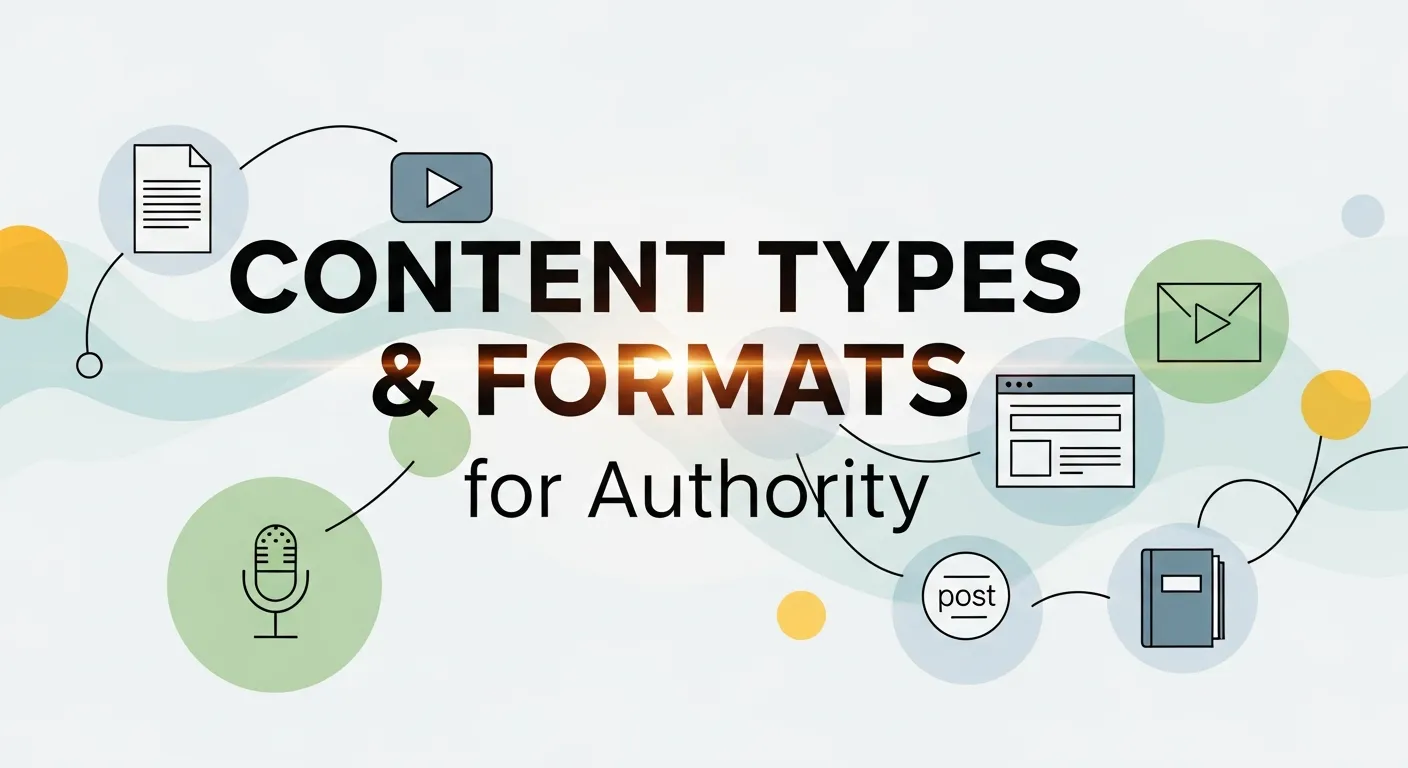
To build authority, Product Marketers should focus on creating content that informs, educates, and inspires. Effective content doesn’t just sell—it builds relationships and trust.
Thought leadership pieces like trend reports and opinion essays help position your brand as an industry leader. In-depth guides and whitepapers showcase expertise, while case studies and webinars demonstrate real-world value.
Interactive tools, videos, and SEO-driven blog posts also strengthen your authority by delivering genuine value to your target audience.
Authority is vital in content marketing for product marketers, but authority alone won’t grow your business if your audience doesn’t convert. That’s where demand-oriented content plays a crucial role. Effective product marketing requires a balance between building authority and creating content that moves prospects through the buyer’s journey. The goal is not just to inform but to inspire action — guiding potential customers from awareness to conversion through a clear marketing strategy.
Comparison Content
In the consideration stage, buyers often evaluate multiple solutions before making a decision. Creating comparison content—such as “Product vs. Alternatives” posts or “Pros and Cons” breakdowns—helps position your product as the most logical choice. This type of content marketing builds trust and transparency while highlighting unique value propositions. For product marketers, it’s an effective way to address questions before they’re even asked, reducing friction in the decision process.
Demo Videos and Walkthroughs
Visual storytelling is a powerful tool in content marketing for product marketers. Demo videos and product walkthroughs allow prospects to see the product in action, helping them visualize how it solves their challenges. This approach not only supports your marketing strategy but also builds confidence in your offering by showcasing usability, features, and real-world applications.
Free Trial or Sample Content
Offering tangible experiences through free trials, templates, or sample content is another effective content marketing tactic. Prompts like “Try our product free,” “Download this template,” or “See a demo” serve as conversion gateways. For product marketers, these calls-to-action transform curiosity into hands-on engagement—an essential part of a demand-driven marketing strategy.
Optimized Landing Pages
Every conversion opportunity deserves an optimized landing page. Clear messaging, social proof, and compelling CTAs are essential components of content marketing for product marketers. A strategic marketing strategy ensures each page aligns with your audience’s intent, communicates your value proposition, and removes unnecessary barriers to conversion.
Email Nurture Sequences
Once leads enter your funnel, product marketing continues through targeted email nurture sequences. Delivering personalized content that matches each buyer’s stage builds trust, reinforces product benefits, and encourages the next step in the journey. In content marketing, this consistent follow-up nurtures leads from interest to purchase.
FAQ and Objection-Handling Content
Addressing potential concerns before they become objections strengthens your content marketing efforts. Blog posts, videos, or dedicated FAQ sections that handle common questions show transparency and customer focus—two pillars of strong product marketing. Incorporating this into your broader marketing strategy ensures that your audience feels informed and confident about their purchase decision.
Strategy: Integrating Content Marketing into Product Marketing

Strong content marketing for product marketers connects product stories with business goals. When content marketing is built into your overall marketing strategy, it helps product marketing teams educate, engage, and convert audiences more effectively.
Align Content with Product Milestones
Use launches, updates, and new features as content opportunities. Share “what’s new,” tutorials, and behind-the-scenes stories that show product value. This keeps content marketing relevant and aligned with key product marketing moments.
Data-Driven Topic Selection
Base your topics on keyword research, competitor analysis, and community insights. Let real data—not assumptions—guide your content marketing , ensuring every piece supports your broader marketing strategy.
Plan and Distribute Smartly
Create a content calendar covering blogs, videos, and webinars. Include promotion via owned, earned, and paid channels. Consistent planning helps product marketing teams execute content marketing efficiently and with impact.
Repurpose and Amplify
Turn existing assets into smaller formats like social posts or infographics. Refresh and reuse content regularly. This approach helps product marketing maximize reach and maintain a sustainable marketing strategy.
Measurement: Authority & Demand Metrics
For effective marketing, tracking performance is essential. A solid marketing strategy should measure both authority and demand to understand how content marketing contributes to overall product marketing goals. Authority metrics reveal how your content builds visibility and trust, while demand metrics show how well it drives conversions and revenue.
| What to Measure (Authority) | What to Measure (Demand / Conversion) |
|---|---|
| Brand mentions, media & influencer references | Leads generated from content channels |
| Organic traffic & search rankings for key authority topics | Conversion rates on content-led landing pages |
| Engagement metrics (time on page, bounce rate, comments, shares) | Email open & click rates, demo/trial requests |
| Followers, newsletter subscriptions | Churn or onboarding success (for retained customers) |
| Backlinks & technical SEO metrics | Cost per lead (CPL) and Customer Acquisition Cost (CAC) for content-driven leads |
To refine performance measurement, product marketing teams should also set up attribution models. These help identify which pieces of content marketing move prospects through the funnel, ensuring every part of your marketing strategy contributes measurable business impact.
Challenges & How to Overcome Them
While content marketing offers immense potential, it also presents unique challenges for product marketing teams. A successful marketing strategy must balance authority building, audience value, and demand generation—all within real-world resource limits. For those focused on this, overcoming these barriers means being strategic, consistent, and customer-centric in execution.
| Challenge | How to Overcome It |
|---|---|
| Resource constraints | Quality content marketing requires time and investment. Focus on high-impact topics, repurpose existing materials, and align efforts with your marketing strategy to maximize ROI. |
| Maintaining consistency | Many struggle to publish regularly. Use structured workflows and a content calendar to maintain cadence and keep your content efforts steady. |
| Signal vs noise | With so much content online, relevance matters most. Prioritize value-driven content marketing that addresses real customer problems and supports your strategy goals. |
| Standing out in saturated spaces | Differentiate your product marketing content by offering unique insights—such as case studies, original data, or niche topics—to make your brand’s voice distinct. |
| Balancing authority vs promotion | Avoid over-promotion. Lead with authority and value; use promotional content strategically to drive conversions within your marketing strategy. |
Scaling & Optimizing
As your content marketing grows, scaling effectively while maintaining quality becomes a key part of your marketing strategy. Here’s how product marketing teams can expand their efforts efficiently:
-
Create Templates & Playbooks:
Build templates and best practices for recurring content types like case studies, webinars, and guides. This helps content marketing for product marketers stay consistent and streamlined. -
Delegate & Collaborate:
Work with internal subject matter experts, freelancers, or agencies for specialized formats such as video or technical writing. Collaboration ensures quality while scaling your product marketing output. -
Use Tools & Automation:
Utilize SEO tools, content calendars, editorial and analytics platforms, email automation, and social scheduling tools to optimize your content marketing process and improve efficiency. -
A/B Test Content & Formats:
Test headlines, visuals, and formats to find what performs best with your audience. This data-driven approach strengthens your marketing strategy and improves future results. -
Update & Refresh Content:
Regularly update older, high-performing content with new data, visuals, or improved SEO to keep your content marketing for product marketers relevant and effective.
Putting It into Practice: Example Workflow

Quarterly Content Marketing Plan for Product Marketers
A strong marketing strategy helps organize efforts and ensure consistent results. Here’s how content marketing for product marketers can be structured into a practical quarterly plan that balances both authority and demand.
Week 1:
Start by auditing past content and identifying performance gaps. Conduct keyword and audience research to uncover new opportunities. Define clear objectives and metrics that align your content marketing goals with broader product marketing outcomes.
Week 2:
Plan your content calendar strategically. Include one long-form guide to build authority, two blog posts to drive awareness, one webinar for engagement, and one case study focused on demand generation. Incorporate social amplification as part of your marketing strategy to extend reach.
Week 3:
Develop the long-form guide, design supporting assets, and prepare a detailed promotion plan. This is also the time to create and rehearse your webinar content, ensuring everything aligns with your content marketing goals.
Week 4:
Publish and promote your content across all channels. Host the webinar, engage participants, and follow up with leads afterward. This stage is critical for product marketing, as it connects authority-building content with conversion-driven activities.
Weeks 5–6:
Review performance data—traffic, engagement, and lead metrics. Collect audience feedback and analyze which content types performed best. Use these insights to refine your content marketing for product marketers approach and adjust your marketing strategy for the next cycle.
Best Practices for Content Marketing Success
Content Marketing for Product Marketers requires strategy, creativity, and consistency. Following best practices helps Product Marketers create content that not only attracts attention but also builds authority and drives demand over time.
Key Best Practices
-
Focus on Value: Create content that solves real problems or answers key questions your audience has.
-
Be Consistent: Publish regularly to stay visible and maintain authority in your niche.
-
Use Data to Guide Decisions: Track performance metrics like engagement, leads, and SEO rankings to refine your strategy.
-
Align with the Buyer’s Journey: Produce different types of content for awareness, consideration, and decision stages.
-
Promote Smartly: Distribution is just as important as creation — share across social media, email, and partnerships.
-
Repurpose Existing Content: Turn blog posts into videos, infographics, or social snippets for broader reach.
-
Collaborate Across Teams: Work with sales, product, and customer success teams to ensure your content aligns with business goals.
Table: Content Marketing Best Practices for Product Marketers
| Goal | Recommended Content Type | Distribution Channels | Key Metric to Track |
|---|---|---|---|
| Build authority | Blogs, whitepapers, webinars | Website, LinkedIn, guest posts | Backlinks, organic traffic |
| Generate leads | Case studies, eBooks, demos | Email campaigns, landing pages | Conversion rate, sign-ups |
| Engage audience | Videos, podcasts, social posts | YouTube, X (Twitter), Instagram | Views, shares, engagement |
| Retain customers | Newsletters, product tutorials | Email, community forums | Retention rate, repeat usage |
By following these best practices, Product Marketers can create a sustainable content marketing strategy that balances both authority and demand — fueling long-term business growth.
Frequently Asked Questions
1. What is Content Marketing for Product Marketers?
Content Marketing for Product Marketers means using blogs, videos, guides, and other content to build trust, attract leads, and promote a product effectively.
2. Why is content marketing important in product marketing?
It helps Product Marketers educate customers, build brand authority, and generate consistent demand for their products.
3. How do I start a content marketing strategy for my product?
Start by understanding your audience, setting clear goals, choosing content types, and planning your content calendar.
4. What types of content work best for Product Marketers?
Blog posts, case studies, whitepapers, videos, webinars, and social media content work best to build awareness and trust.
5. How does content marketing help generate leads?
By providing valuable information and solutions, your content attracts potential customers who are more likely to convert into leads.
6. How often should Product Marketers publish content?
Consistency matters more than quantity. Aim for at least 2–4 quality pieces per month, depending on your resources.
7. How can I measure the success of my content marketing?
Track metrics like website traffic, engagement, lead generation, conversions, and search rankings to see what’s working.
8. What is the difference between authority content and demand content?
Authority content builds trust and credibility; demand content focuses on generating leads and driving conversions.
9. Can small businesses or startups use content marketing effectively?
Yes. Even with a small budget, consistent, valuable content can help startups grow brand visibility and attract loyal customers.
10. How do I make my content stand out in a competitive market?
Share unique insights, use storytelling, highlight real customer success stories, and offer helpful resources your audience can’t find elsewhere.
For Product Marketers, Marketing Service isn’t just a tactic—it’s a cornerstone of building authority and driving demand. When done strategically, content does double duty: It elevates your brand in the minds of prospects (authority) and encourages them into meaningful action (demand).
Start with strong audience insight and clear goals. Mix in different content types, align content with the buyer journey, distribute smartly, measure well, and keep iterating. With patience and consistency, your content marketing will become a growth engine—one that compounds over time.
Learn more about: How AI Is Changing the Future of Product Marketing