Promotional products help small businesses build brand recognition, loyalty, and long-term visibility. By choosing high-quality, useful items aligned with audience needs, businesses can create lasting impressions and cost-effective marketing impact beyond traditional digital advertising channels.
Every time you hand a potential customer a branded pen, mug, or tote bag, you are giving them a physical piece of your brand. Digital ads disappear the second a user scrolls past them. A well-made promotional item, however, can sit on a client’s desk for years. It serves as a constant, quiet reminder of your services.
For a small business, marketing budgets are often tight. Every dollar spent needs to yield a measurable return. This makes the selection of marketing channels incredibly important. While digital marketing offers precise targeting, physical promotional products offer something unique: tangibility. People appreciate receiving free items, especially when those items are genuinely useful.
Choosing the right promotional products for small business growth requires careful thought. Giving away cheap, easily broken trinkets can actually harm your brand’s reputation. Conversely, giving away highly valuable items without a clear distribution strategy can drain your budget quickly. The goal is to find the sweet spot between utility, cost, and brand alignment.
Why Promotional Products Matter for Your Small Business
Small businesses face an uphill battle when trying to establish brand recognition. Competing against established corporations with massive advertising budgets is difficult. Promotional products level the playing field by providing direct, localized, and lasting brand exposure.
Building Strong Brand Recognition
Repetition is essential for memory. A customer might need to see your logo a dozen times before they remember your company name. When you give someone a branded water bottle or a custom notebook, they interact with your logo every single day. This repeated exposure builds familiarity. When that person eventually needs the product or service you provide, your business is already top-of-mind.
Achieving Cost-Effective Marketing
Many marketing channels require ongoing payments to maintain visibility. Pay-per-click advertising stops generating leads the moment you stop funding the campaign. Promotional products act as a one-time investment that continues to yield impressions over a long period. A high-quality branded jacket worn by an employee or a customer acts as a walking billboard, generating thousands of impressions at no additional cost.
Cultivating Customer Loyalty
Receiving a gift triggers a psychological response known as reciprocity. When you give a client a thoughtful promotional item, they naturally feel a subtle sense of obligation or gratitude toward your business. This can be the deciding factor when a client is choosing between you and a competitor. Gifting also shows your clients that you value their business, which goes a long way in fostering long-term relationships.
Top Categories of Promotional Items to Consider
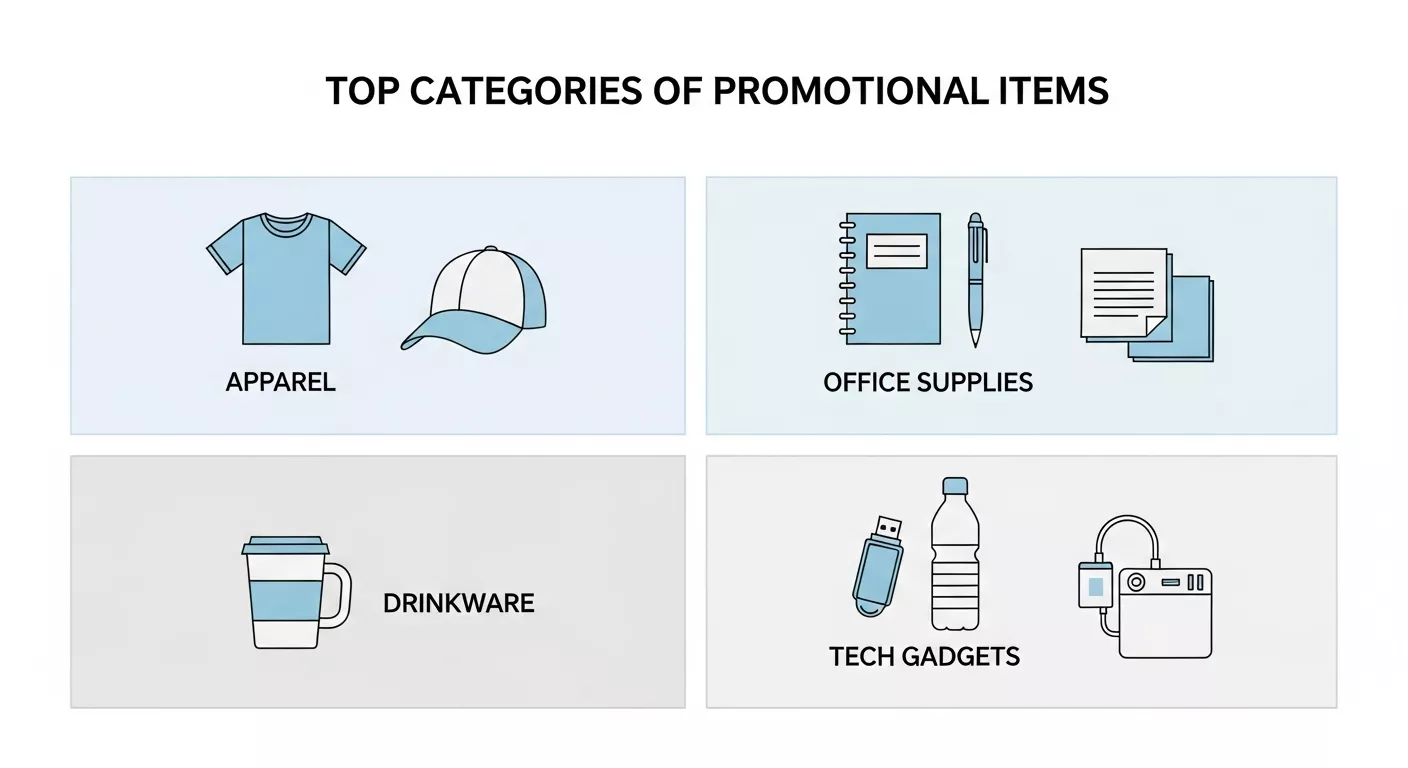
The promotional product industry is vast. You can put your logo on almost anything. However, certain categories consistently perform better for small businesses due to their high utility and broad appeal.
Choosing the right category is not just about popularity—it is about relevance. The most successful promotional products are those that seamlessly fit into a recipient’s daily routine. Items that are used frequently naturally generate more impressions, increasing brand recall over time. This is why practical, everyday products consistently outperform novelty items that may only be used once or twice.
Another important factor is versatility. Products that appeal to a wide range of people, regardless of age, profession, or lifestyle, offer the best return on investment. For example, drinkware, apparel, and tech accessories are universally useful, making them safe and effective choices across multiple industries.
Seasonality can also influence performance. Some items, such as jackets, umbrellas, or holiday-themed merchandise, may perform exceptionally well during specific times of the year. Aligning your promotional products with seasons or events can boost their relevance and usage.
Apparel and Wearables
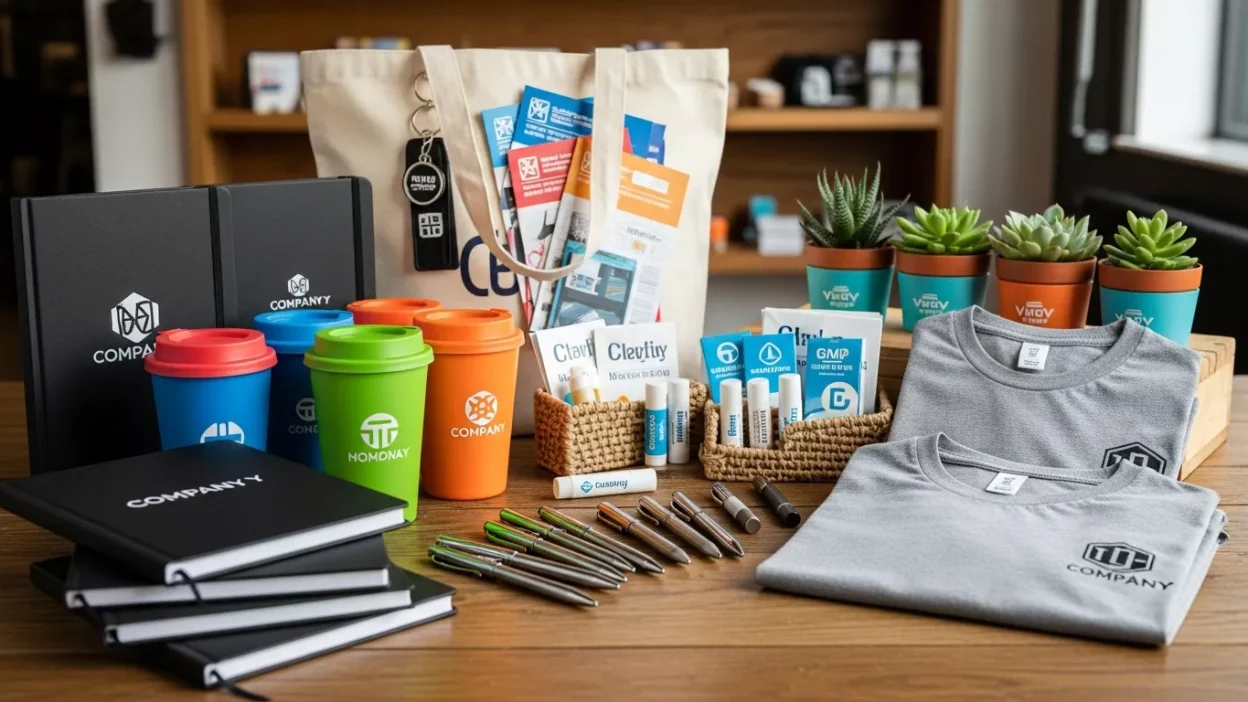
Clothing is a highly coveted promotional item. T-shirts, hoodies, and hats offer a large canvas for your logo and artwork. The key to successful promotional apparel is design and comfort. If a t-shirt is made of stiff, uncomfortable cotton and features an overly aggressive sales pitch, it will likely end up as a rag. If it features a subtle, stylish design on soft fabric, it will become a wardrobe staple.
Office Supplies and Stationery
Office supplies remain a safe and effective choice, particularly for B2B (business-to-business) companies. Pens, sticky notes, and planners are tools that people use every day. While a standard ballpoint pen might seem generic, upgrading to a smooth-writing gel pen or a high-quality metal pen can leave a lasting impression. Notebooks with embossed logos also carry a premium feel that executives and office workers appreciate.
Tech Gadgets and Accessories
Technology-related promotional products have surged in popularity. Items like power banks, USB drives, Bluetooth speakers, and charging cables are incredibly useful. People frequently travel with these items, increasing the geographical reach of your brand exposure. Tech gadgets often carry a higher perceived value, making them excellent choices for premium client gifts or major trade show giveaways.
Drinkware
Mugs, tumblers, and reusable water bottles are universally appreciated. With a growing cultural shift toward sustainability, many consumers actively seek out reusable drinkware to reduce their reliance on single-use plastics. A durable, insulated tumbler that keeps coffee hot for hours will easily become a favorite item, giving your brand daily exposure on a client’s morning commute.
Eco-Friendly Options
Sustainability is a major priority for modern consumers. Offering eco-friendly promotional products demonstrates that your small business cares about the environment. Consider items made from recycled materials, bamboo, or organic cotton. Reusable tote bags are particularly effective, as they replace plastic grocery bags and offer a massive imprint area for your branding.
How to Choose the Right Promotional Products
With thousands of options available, selecting the perfect promotional item can feel overwhelming. The key is to make strategic choices based on your specific business goals and audience demographics.
Know Your Target Audience
A promotional product is only effective if the recipient actually wants to use it. Think carefully about who your customers are and what they value. If you run a fitness centre, a customized shaker bottle or a gym towel makes perfect sense. If you run a financial consulting firm, a high-end leather portfolio or a premium pen aligns better with your clientele. Tailor the item to the lifestyle of the recipient.
Align with Your Brand Identity
Your promotional merchandise should feel like a natural extension of your brand. A playful, vibrant tech startup might give away colourful pop-sockets or quirky desk toys. A luxury real estate agency should opt for refined, elegant items that communicate exclusivity, such as engraved wine accessories or premium customized umbrellas. Make sure the product’s colour, quality, and function reflect your core brand values.
Focus on Quality and Utility
Never compromise on quality to save a few cents per item. A promotional product represents your business. If a branded pen breaks after one use, or a t-shirt shrinks drastically in the wash, the recipient will associate that poor quality with your company’s services. It is always better to order fewer, high-quality items than a massive quantity of cheap, easily discarded junk. Focus on utility; items that solve a problem or fulfill a daily need will generate the most impressions.
Strategies for Distributing Your Promotional Gear
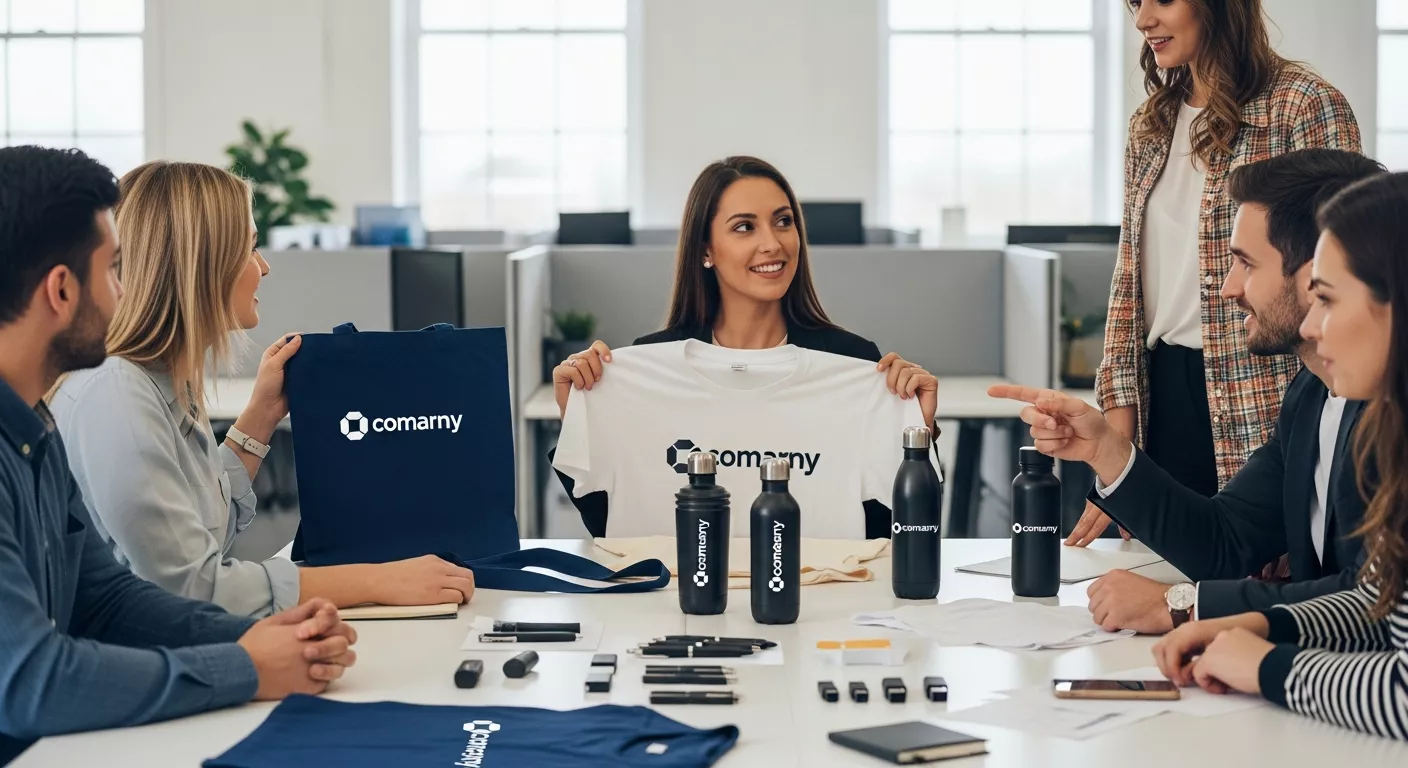
Buying the items is only half the battle. You need a strategic plan for getting them into the hands of the right people.
Trade Shows and Networking Events
Industry events are the traditional home of promotional products. To stand out in a sea of booths giving away cheap candy and flyers, offer something of real value. Use tiered giveaways to maximize your budget. Keep lower-cost items (like lip balm or branded mints) at the front of the table for casual passersby. Reserve premium items (like tech accessories or high-quality apparel) for attendees who engage in a meaningful conversation or provide their contact information.
Customer Appreciation Gifts
Surprising your existing customers with a thoughtful gift is a fantastic way to boost retention. Send a branded gift box to your top clients at the end of the year, or celebrate the anniversary of their first purchase with your company. Including a handwritten note alongside the promotional product adds a personal touch that digital communications simply cannot replicate.
Employee Onboarding and Milestones
Promotional products are not just for external marketing; they are excellent for internal team building. Providing a “swag bag” to new hires on their first day helps them feel welcome and immediately connects them to the company culture. You can also use branded merchandise to celebrate employee milestones, such as work anniversaries or the successful completion of a major project.
Social Media Giveaways
Use promotional products to boost your digital presence. Host a giveaway on platforms like Instagram or Facebook. Ask your followers to like your post, tag a friend, and share the content to enter a drawing for a premium branded merchandise bundle. This strategy increases your social media engagement, expands your reach to new potential customers, and creates excitement around your brand.
Health and Wellness Products
Promotional items like fitness bands, stress balls, and wellness kits align with growing health awareness. These products position your brand as supportive of well-being and are especially effective for corporate and lifestyle-focused audiences.
Travel and Lifestyle Accessories
Items such as luggage tags, travel organizers, and neck pillows appeal to frequent travelers. These products increase brand exposure across different locations and provide long-term usability.
Educational and Training Materials
Customized guides, planners, and learning kits work well for educational institutions and training-based businesses. These items provide ongoing value while reinforcing your brand as a knowledge authority.
Seasonal and Event-Based Merchandise
Holiday-themed gifts or event-specific merchandise create timely engagement. Limited-edition items build excitement and encourage customers to associate your brand with special moments.
Food and Beverage Promotional Items
Edible promotional products such as branded snacks, coffee blends, or packaged treats create an immediate positive impression. These items are perfect for events, client gifts, or hospitality businesses. Because they are consumable, they encourage quick engagement while leaving a memorable experience tied to your brand.
Digital and Hybrid Promotional Products
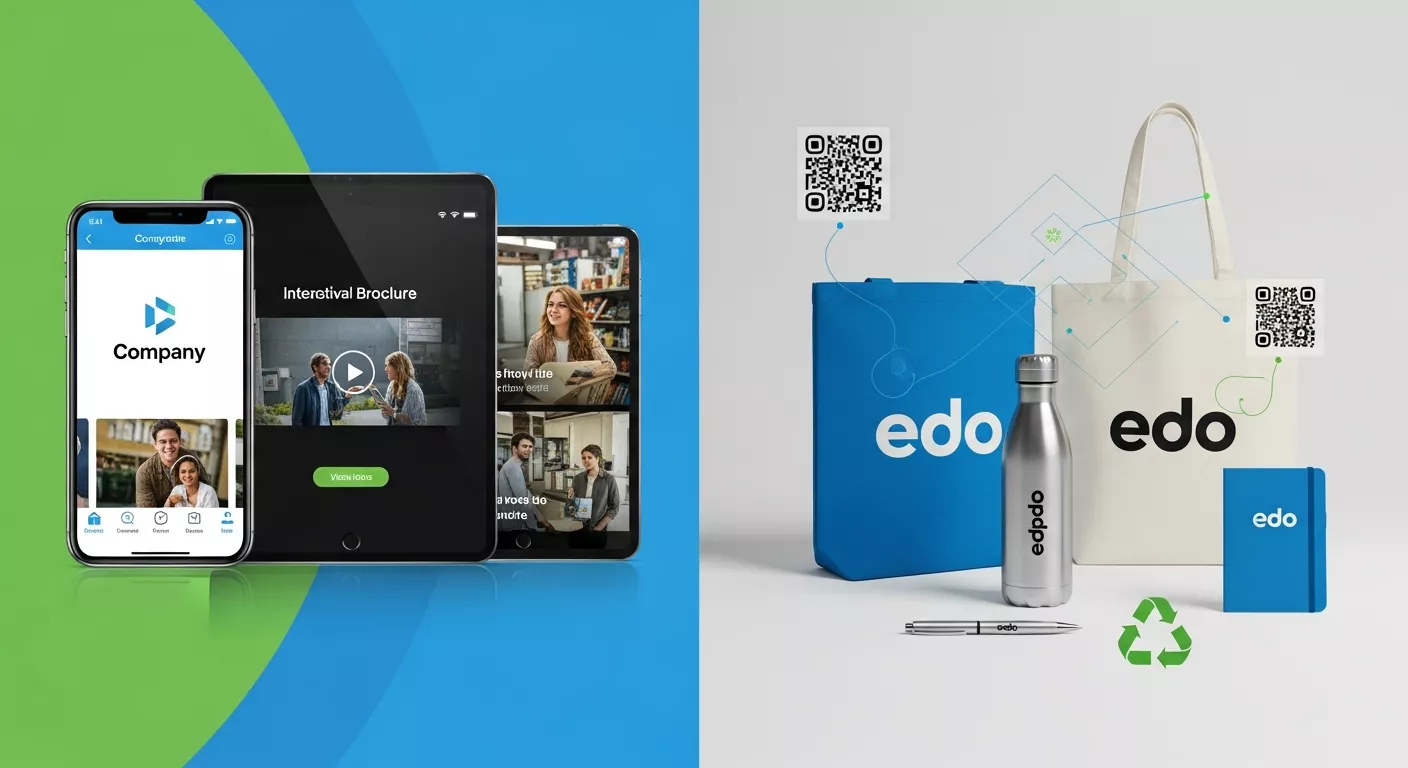
Modern promotions are blending physical and digital experiences. QR-coded merchandise, NFC-enabled cards, or items linked to exclusive online content can drive traffic to your website or social platforms. This approach bridges offline branding with measurable digital engagement.
Outdoor and Sports Gear
Branded items like caps, backpacks, umbrellas, or sports bottles are ideal for active lifestyles. These products travel with users, increasing brand visibility in public spaces while associating your business with energy, activity, and reliability.
Premium Corporate Gifts
High-end promotional items such as leather accessories, executive pens, or customized gift boxes are perfect for VIP clients and partners. These products elevate brand perception and strengthen long-term business relationships.
Frequently Asked Questions (FAQ) about Promotional Products
1. What are promotional products?
Promotional products are branded items given to customers or prospects to increase brand awareness and engagement.
2. Why are promotional products effective?
They provide long-term visibility and repeated brand exposure through everyday use.
3. What types of items work best?
Useful items like drinkware, tech gadgets, apparel, and office supplies perform best.
4. Are promotional products cost-effective?
Yes, they offer a one-time cost with long-lasting impressions compared to recurring ad spend.
5. How do promotional items build customer loyalty?
They trigger a sense of appreciation and reciprocity, strengthening customer relationships.
6. Should small businesses focus on quality or quantity?
Quality is more important, as poor-quality items can harm brand perception.
7. When should businesses distribute promotional products?
At events, during campaigns, as client gifts, or through social media giveaways.
8. Can promotional products support digital marketing?
Yes, they enhance campaigns by increasing engagement and offline brand recall.
9. What are eco-friendly promotional options?
Reusable bags, bamboo products, and recycled materials are popular sustainable choices.
10. How do I choose the right product?
Understand your audience, align with your brand, and prioritize utility and durability.
Elevate Your Brand With Thoughtful Swag
Incorporating promotional products into your marketing strategy allows your small business to build tangible connections with your audience. By carefully selecting high-quality items that align with your brand identity and providing genuine value to the recipient, you create lasting impressions that drive brand loyalty and growth.
Take the time to understand your audience, invest in quality over quantity, and distribute your merchandise strategically. Whether you are handing out custom tote bags at a local community event or sending premium executive gifts to top-tier clients, thoughtful promotional products will ensure your business remains memorable long after the initial interaction.