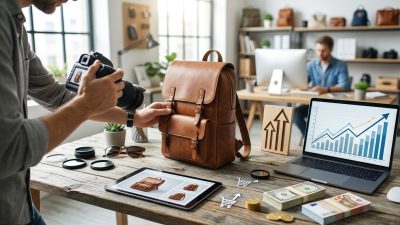
Virtual reality for product promotion helps brands create immersive experiences that improve engagement, increase conversions, and strengthen customer trust. Through interactive environments, virtual showrooms, and realistic simulations, businesses can showcase products more effectively while gathering valuable user insights to optimize future marketing strategies.
In today’s digital landscape, brands are under constant pressure to capture attention and differentiate themselves from competitors. As consumer expectations evolve, immersive technologies have emerged as a game-changer, offering novel ways to engage audiences. Among these innovations, virtual reality for product promotion stands out as a transformative tool, allowing companies to showcase offerings in interactive three-dimensional environments. Rather than relying on static images or traditional videos, businesses can invite prospects into a fully simulated world, where they can examine, customize, and experience products firsthand without the constraints of physical space or logistics.
By integrating virtual reality for product promotion into marketing strategies, organizations can cultivate deeper emotional connections and leave lasting impressions. Today, consumers crave authenticity and hands-on experiences—two attributes that VR excels at delivering. This year, forward-thinking brands are leveraging VR to reduce demonstration costs, generate rich behavioral data, and expand global reach around the clock. As hardware becomes more accessible and development tools more sophisticated, the barrier to entry lowers, making it feasible for both large enterprises and smaller companies to adopt immersive campaigns.
The Rise of Virtual Reality in Marketing
Virtual reality for product promotion has evolved from a cutting-edge novelty into a proven marketing channel. In today’s rapidly shifting environment, companies seek innovative methods to deliver compelling narratives and memorable experiences. VR addresses this need by immersing consumers in a fully controlled environment, where every detail—from lighting and sound to interactivity—reflects the brand’s story.
Research institutions such as MIT have underscored the efficacy of immersive displays in enhancing recall rates and emotional engagement. When users navigate a simulated space, they are more likely to retain information and form positive associations compared to passive content consumption. This heightened impact can translate directly into improved conversion metrics and stronger brand loyalty.
Currently, leading organizations are integrating virtual reality for product promotion into tradeshows, e-commerce sites, and social media campaigns. Instead of transporting heavy equipment or samples across regions, they deploy digital experiences accessible via VR headsets or even smartphone adapters. This shift not only reduces logistical overhead but also ensures a consistent presentation across markets.
Moreover, consumer expectations are higher than ever. In an era where on-demand entertainment and interactive gaming are the norm, audiences anticipate engaging experiences that stimulate multiple senses. Virtual reality for product promotion meets these demands by combining visual immersion with tactile controls, enabling users to manipulate products, change configurations, and observe reactions in real time.
In today’s market, brands that fail to adapt risk being overshadowed by competitors who offer richer, more engaging touchpoints. As VR technology matures and development costs decline, adopting virtual reality for product promotion is no longer reserved for tech giants—it’s accessible to any organization committed to innovation.
Key Benefits of Virtual Reality for Product Promotion

1. Immersive Engagement Drives Emotional Connection
One of the primary advantages of virtual reality for product promotion is its ability to create highly immersive experiences. When users enter a branded VR environment, every element—from 3D product models to spatial audio—works together to capture attention and evoke emotion. This level of involvement fosters deeper connections with the product, making prospects more likely to recall features and benefits after the experience concludes.
2. Cost Efficiency and Logistics Simplified
Traditional product demonstrations, trade-show exhibits, and physical sampling campaigns often incur significant expenses for shipping, storage, and staffing. By contrast, virtual reality for product promotion streamlines logistics: digital assets can be distributed worldwide in minutes. According to guidelines from the National Institute of Standards and Technology, well-optimized VR applications require minimal bandwidth and storage, further reducing overhead.
3. Data-Driven Insights Enhance Strategy
Every user interaction within a VR environment can be monitored and analyzed. Marketers can track gaze patterns, time spent on specific features, and navigation routes. These analytics unveil valuable insights into consumer preferences and behavior, enabling data-driven refinements. For instance, if most users linger on a specific component of a product model, brands can prioritize that feature in future campaigns or product iterations.
4. Global Reach with Consistent Quality
Virtual reality transcends geographical barriers, delivering a uniform brand experience to a worldwide audience. Whether a prospect is in Tokyo, Toronto, or Toulouse, they receive the same high-fidelity demonstration. This consistency strengthens brand messaging and reduces the risk of regional discrepancies. In today’s interconnected market, offering constant availability—24/7—positions brands to capture leads around the clock.
5. Enhanced Customization Encourages Exploration
Unlike static presentations, virtual reality for product promotion invites users to interact and personalize. Customers can adjust colors, configurations, and accessories in real time, gaining confidence in their choices. This tailored approach resonates with modern consumers who expect individualized solutions rather than one-size-fits-all offerings.
Exploring Innovative VR Formats
360° Product Tours
360° product tours empower users to examine a detailed 3D replica from any angle. Through intuitive controls, they can zoom, pan, and rotate products to inspect textures, materials, and intricate features. This format bridges the gap between in-store touch-and-feel and online convenience, making it easier for prospects to make informed decisions without physical samples.
Virtual Showrooms
Virtual showrooms simulate retail environments, complete with shelving, lighting, and ambient sound. Inside these spaces, customers can browse an entire catalog, compare models side by side, and read virtual tags that display pricing or specifications. Virtual reality for product promotion in a showroom context replicates the excitement of in-person exploration while offering the flexibility to update inventory with a few clicks.
Interactive Storytelling Experiences
Narrative-driven VR narratives engage emotions and illustrate real-world use cases. By weaving the product into a storyline—such as a day-in-the-life scenario—brands can demonstrate value propositions organically. For example, a kitchen appliance might be showcased through a virtual cooking class, highlighting convenience and performance in an entertaining format.
Simulated Use Cases
Simulated scenarios allow customers to test products in lifelike environments. Automotive brands can offer virtual test drives on custom tracks, while apparel companies provide digital fitting rooms. These immersive simulations reduce uncertainty, increase consumer confidence, and often lead to higher conversion rates. By experiencing products in context, prospects understand both functionality and emotional appeal.
Cross-Platform Compatibility
To maximize reach, virtual reality for product promotion should support a range of devices—from high-end headsets like Oculus Rift to cost-effective smartphone adapters. Additionally, brands can include a 360° video fallback or desktop-based WebVR options to ensure accessibility. This inclusive strategy guarantees that technical limitations do not hinder engagement.
Real-World Success Stories Leveraging VR
Automotive Virtual Test Drives
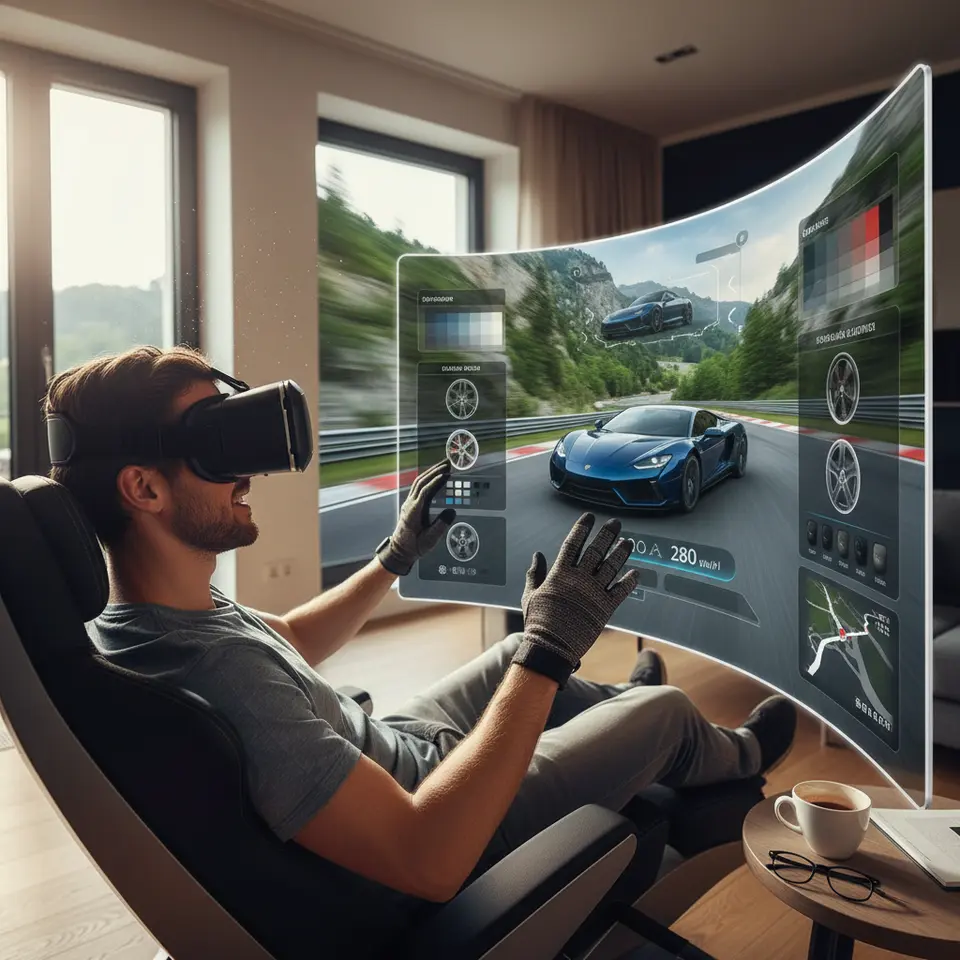
One leading automaker introduced a VR application this year that enabled prospective buyers to customize vehicles—selecting paint colors, wheel designs, and interior trims—before taking them on a simulated race track. The immersive experience not only delighted users but also drove dealership visits up by 35%. Furthermore, analytics revealed that average time spent exploring configurations doubled, equipping sales teams with deeper insights into customer preferences.
Home Furnishing Digital Showroom
An e-commerce furniture retailer launched a virtual showroom that allowed shoppers to place scale-accurate 3D models of sofas, coffee tables, and decor items in a customizable living room setting. By experimenting with layouts, materials, and color palettes, consumers gained a clear sense of scale and style. This virtual reality for product promotion strategy lifted conversion rates by 22%, as shoppers felt more assured in their purchasing decisions, reducing returns and boosting customer satisfaction.
Sports Equipment Virtual Fitting
A premium sports brand deployed a VR-based fitting room for cycling gear and protective equipment. Users could virtually don helmets, jerseys, and gloves, viewing them under various lighting conditions and movement simulations. The interactive experience cut return rates by 15%, with customers reporting higher confidence in fit, functionality, and aesthetics. The success of this campaign highlights how virtual reality for product promotion can address one of e-commerce’s biggest challenges: ensuring proper sizing.
B2B Machinery Demonstrations
A heavy-equipment manufacturer leveraged VR to showcase industrial machinery on trade-show floors without transporting bulky units. Attendees donned headsets and operated virtual controls, witnessing the machinery’s precision and power in simulated construction sites. Lead generation soared by 40%, proving that immersive demonstrations can drive tangible ROI even in complex B2B industries.
Lifestyle Brand Experiential Campaigns
A global consumer electronics company integrated VR experiences into flagship stores, inviting customers to participate in interactive storytelling journeys that highlighted product features. By combining guided narration with hands-on demonstrations, the brand fostered emotional connections and generated social media buzz, amplifying reach organically.
Implementing VR Strategies: A Step-by-Step Guide
1. Define Clear Objectives
Begin by pinpointing what you aim to achieve with virtual reality for product promotion. Are you introducing a new product line, educating customers on complex features, or accelerating pre-orders? Establish measurable goals—such as increasing lead capture by a certain percentage or reducing return rates—to guide your VR concept and justify investment.
2. Select the Right Platform
Consider your audience’s technical capabilities and budget constraints. Smartphone-based solutions—such as Google Cardboard—offer an affordable entry point, while high-end systems like Oculus Rift and HTC Vive deliver superior immersion. Evaluate factors including display resolution, user comfort, and distribution channels to determine the optimal platform mix.
3. Develop High-Quality 3D Assets
Partner with experienced 3D modelers, VR developers, and UX designers to create lifelike, optimized assets. Ensure polygon counts and texture resolutions balance visual fidelity with performance requirements. Incorporate realistic lighting and physics simulations to deepen immersion while testing asset loading times across devices.
4. Conduct Rigorous User Testing
Before full-scale launch, run beta trials to identify usability issues and optimize interactions. Gather feedback on navigation controls, comfort levels, and narrative pacing. Monitor loading speeds and adjust asset streaming to minimize latency. Prioritize accessibility by providing options for users prone to VR-induced fatigue.
5. Integrate Analytics and Tracking
Embed analytics tools to capture key metrics: completion rates, session durations, gaze heatmaps, and conversion events. Use these insights to refine storytelling, optimize feature placement, and personalize follow-up communications. Data-driven adjustments will maximize ROI and inform future VR initiatives.
6. Promote and Distribute
Launch your VR experience across multiple touchpoints: your website, social media channels, email campaigns, and trade-show booths. Offer exclusive incentives—like early-access demos or limited-time discounts—to entice participation. Provide clear setup instructions and support resources to ensure seamless adoption.
7. Maintain and Update
Post-launch, continue iterating on content based on user behavior and feedback. Refresh environments with seasonal themes, new product releases, or updated branding. Regular maintenance and updates keep experiences relevant and encourage repeat engagement.
FAQ
Conclusion
Virtual reality for product promotion has transcended its initial hype to become a vital tool in modern marketing arsenals. By delivering immersive, customizable, and data-rich experiences, VR enables brands to forge stronger emotional bonds, streamline logistics, and generate actionable insights. In today’s digital landscape, where consumers demand interactive and authentic engagements, integrating virtual reality for product promotion can set your brand apart and drive measurable results.
As you embark on your VR journey, remember to define clear objectives, select suitable platforms, and develop high-quality 3D assets. Conduct thorough user testing, integrate robust analytics, and promote your experiences across channels. With these best practices, your organization can transform the way prospects discover, evaluate, and embrace your products—propelling your brand into a new dimension of marketing success.