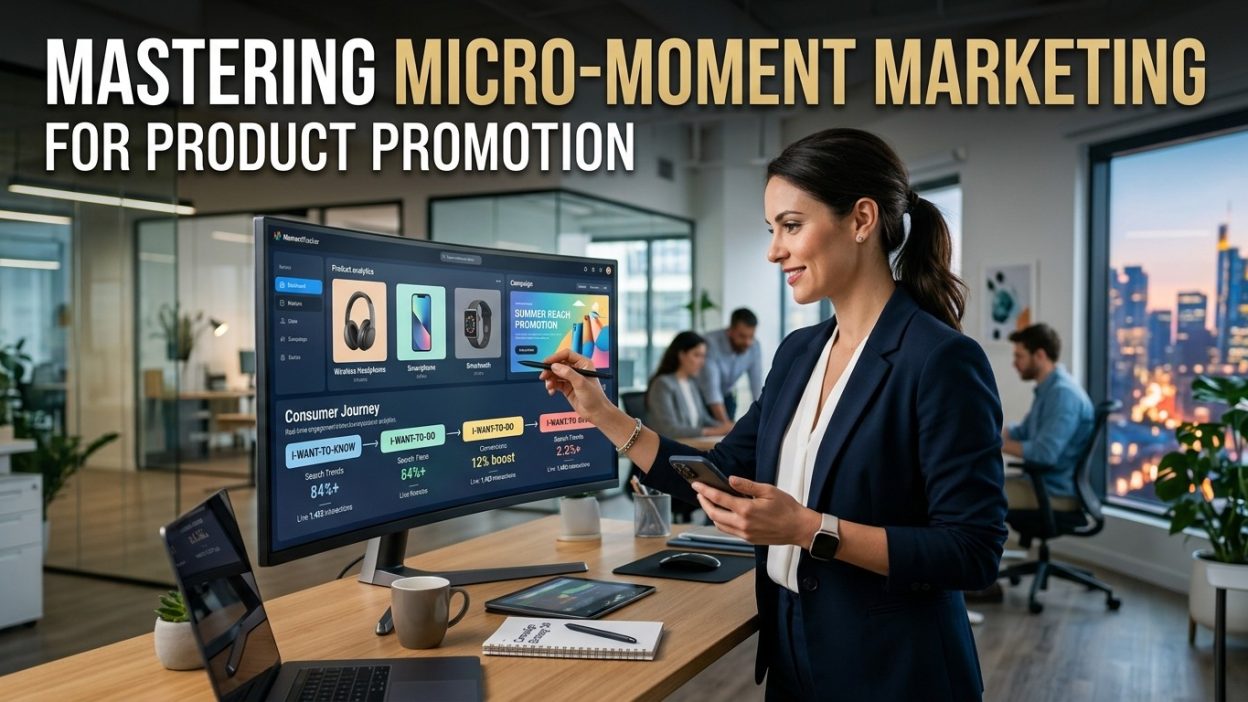
In today’s hyperconnected world, consumers expect answers at their fingertips and seamless interactions with brands across all channels. These fleeting instances of intent—known as micro-moments—occur when individuals reflexively turn to their devices seeking information, guidance, or immediate action. For product marketers, mastering micro-moment marketing can transform split-second opportunities into meaningful engagements and conversions. By anticipating these on-the-spot needs, brands can deliver highly relevant experiences that boost trust, accelerate the path to purchase, and differentiate them in a crowded marketplace.
As attention spans shrink and mobile usage dominates, traditional advertising methods struggle to keep pace. Instead of interrupting audiences with broad campaigns, savvy marketers focus on intent-driven touchpoints where consumers exhibit distinct behaviors. Today, micro-moment marketing has become a cornerstone of agile promotional strategies that align content, offers, and personalization with real-time signals. This comprehensive guide explores how to leverage micro-moments for product promotion, outlines proven tactics, and shares real-world examples to help you craft a strategy that resonates with customers in today’s digital landscape.
Understanding Micro-Moment Marketing
Micro-moment marketing centers on four fundamental intent types: I-want-to-know, I-want-to-go, I-want-to-do, and I-want-to-buy. Coined by Google, these categories reflect how consumers use smartphones and other connected devices to fulfill immediate needs.
I-Want-to-Know Moments
During I-want-to-know moments, people research topics or compare products. Short-form blog posts, FAQs, and quick video tutorials address those queries effectively. According to Think with Google, brands that provide concise, accurate answers win credibility and improve organic search standings (source).
I-Want-to-Go Moments
I-want-to-go moments involve location-based searches for nearby stores, events, or services. Optimizing local listings, embedding interactive maps, and offering click-to-call functionality ensure you capture customers ready to visit your physical or pop-up locations.
I-Want-to-Do Moments
For I-want-to-do moments, consumers seek how-to guides, DIY tips, or step-by-step tutorials. Bite-sized infographics, short explainer videos, and downloadable PDFs empower users to complete tasks—while positioning your products as the solution.
I-Want-to-Buy Moments
During I-want-to-buy moments, shoppers are primed to purchase. Seamless mobile checkout, one-click buy buttons, and targeted retargeting ads address these high-intent signals and reduce friction in the final conversion stages.
By mapping micro-moment marketing to these four categories, brands can craft specialized content and experiences that meet customers exactly where they are. In doing so, you create relevance, trust, and speed-to-value—three pillars that underpin successful modern promotions.
Why Micro-Moment Marketing Is Crucial for Product Promotion

In today’s mobile-first environment, attention is scarce and consumer behavior is increasingly fragmented across apps, search, social, and messaging platforms. Micro-moment marketing addresses these shifts by zeroing in on brief windows of opportunity where intent is highest. Here are three reasons why this approach is essential for product promotion:
1. Enhanced Relevance
When you deliver the exact information or solution a user seeks—whether it’s product comparisons, store directions, or quick tutorials—you demonstrate understanding and earn consumer confidence. Tailoring messaging to micro-moments boosts engagement metrics and lowers bounce rates.
2. Accelerated Conversion Path
By streamlining experiences around real-time intent, you speed up the journey from discovery to purchase. Fast-loading mobile pages, clear calls to action, and frictionless checkout options shorten the decision cycle and drive immediate results.
3. Competitive Differentiation
Most brands still rely on one-size-fits-all campaigns. Those that master micro-moment marketing stand out by offering hyper-contextualized content that resonates in the moment. This customer-centric approach fosters stronger loyalty and positions your brand as a leader in responsiveness.
As conventional sales funnels give way to dynamic, multi-channel journeys, micro-moment marketing provides the agility needed to capture attention and convert intent signals into measurable outcomes. In today’s digital landscape, brands that invest in these fleeting touchpoints will reap higher ROI and sustainable growth.
Mapping Micro-Moments to the Customer Journey
To maximize the impact of micro-moment marketing, it’s vital to align each moment type with stages of the customer journey. This strategic mapping uncovers content gaps and ensures you deliver the right message at precisely the right time.
Awareness Stage: I-Want-to-Know
At the top of the funnel, audiences seek information about product categories, features, and brand reputation. Publish concise comparison guides, listicles, and expert reviews. Embed multimedia elements—such as 15-second video snippets—to cater to mobile viewers and elevate organic search performance. External research from Pew Research highlights that 85% of mobile searches for “near me” results lead to action within a day (source).
Consideration Stage: I-Want-to-Go and I-Want-to-Do
Mid-funnel prospects often examine locations and usage scenarios. Optimize your Google Business Profile, include virtual tours, and integrate geo-targeted ad extensions to capture I-want-to-go queries. For I-want-to-do moments, provide interactive how-to widgets, step-by-step galleries, and chatbot-guided walkthroughs. These assets reinforce product value and demystify complex features.
Decision Stage: I-Want-to-Buy
When buyers are ready to convert, remove obstacles. Offer one-click mobile payments, persistent cart reminders, and exit-intent pop-ups with time-sensitive incentives. Coordinate paid search keywords and SEO content around transactional queries like “buy,” “order,” or “discount” to amplify visibility during this critical phase.
By mapping content and campaigns to these journey stages, brands gain a holistic view of customer intent. This alignment ensures you never miss a micro-moment where a well-timed message could tip the scales toward purchase.
Effective Strategies to Capture Micro-Moments

Capturing micro-moments requires a blend of technological optimization, contextual personalization, and bite-sized content design. Here are five actionable tactics to integrate into your product promotion strategy:
1. Mobile-First Performance
- Prioritize site speed: compress images, leverage CDNs, and defer non-critical scripts.
- Adopt responsive frameworks: ensure consistent layouts and touch-friendly UI across devices.
- Implement AMP: fast-rendering pages for blog posts and product descriptions attract and retain mobile users.
2. Contextual Personalization
- Utilize location data and browsing history to tailor product recommendations.
- Incorporate dynamic content blocks in emails and landing pages to surface relevant offers.
- Leverage CRM insights to segment audiences by behavior and intent.
3. Bite-Sized, Actionable Content
- Create micro-videos (10–20 seconds) showcasing key features or quick hacks.
- Design mobile-friendly infographics with step-by-step instructions for I-want-to-do moments.
- Publish concise tip sheets in PDF format for easy download and sharing.
4. Real-Time Engagement Tools
- Deploy AI-powered chatbots to answer urgent queries and guide purchases.
- Set up push notifications for back-in-stock alerts, flash sales, and location-based promotions.
- Integrate live chat functionality on mobile landing pages to assist high-intent visitors instantly.
5. Unified Paid and Organic Campaigns
- Align SEO keywords and paid search bids around high-intent micro-moment queries.
- Retarget users based on their micro-moment interactions—from awareness content to product pages.
- Leverage social ad formats that mirror organic content styles for seamless user experiences.
By weaving these tactics into your broader marketing plan, you ensure every micro-moment is met with a relevant, value-driven response—driving engagement and conversions in real time.
Real-World Success Stories and Case Studies
Examining how leading brands leverage micro-moment marketing offers valuable insights into best practices and potential outcomes. Below are three examples highlighting diverse industries and results.
E-Commerce Fashion Retailer
- Leveraged I-want-to-know moments via short style guides on Instagram Stories.
- Followed up with I-want-to-buy push notifications for abandoned cart recovery.
- Outcome: 35% lift in mobile conversions and 20% increase in average order value.
Home Improvement Brand
- Produced I-want-to-do how-to videos optimized for YouTube search.
- Embedded live chat support directly in video descriptions for real-time Q&A.
- Outcome: 50% reduction in support tickets and 18% rise in add-on accessory sales.
Local Restaurant Chain
- Targeted I-want-to-go moments with geo-focused search ads showcasing menu highlights.
- Enabled one-click mobile ordering from search results for seamless checkout.
- Outcome: 27% increase in lunchtime foot traffic and 15% growth in online orders.
These case studies demonstrate the tangible benefits of micro-moment marketing when combined with data-driven decision-making, creative content, and a mobile-first mindset.
Frequently Asked Questions
1. What is micro-moment marketing in digital marketing?
Micro-moment marketing is a strategy focused on engaging consumers during brief, intent-driven interactions when they turn to digital devices for immediate answers, solutions, or purchasing decisions. These moments often happen on smartphones and involve actions such as researching products, comparing prices, finding nearby businesses, learning how to use something, or making quick purchases. Brands that respond effectively during these high-intent moments can significantly improve customer engagement, trust, and conversion rates. Unlike traditional marketing, which relies on broad campaigns, micro-moment marketing prioritizes relevance, speed, and personalization. This approach allows businesses to connect with audiences exactly when they are most likely to take action, making it one of the most effective modern marketing strategies.
2. Why are micro-moments important for product promotion?
Micro-moments are important because they represent critical opportunities where consumers actively seek information or solutions related to products and services. During these moments, users often have strong purchase intent and are more likely to engage with brands that provide immediate, relevant assistance. Product promotion becomes more effective when businesses align their messaging, content, and offers with real-time customer needs. By delivering fast-loading pages, personalized recommendations, and frictionless shopping experiences, brands can shorten the path to purchase and improve customer satisfaction. Micro-moment marketing also helps businesses stand out in competitive markets by offering contextual experiences that feel more useful and customer-focused than traditional advertising methods.
3. What are the four types of micro-moments?
The four primary types of micro-moments are I-want-to-know, I-want-to-go, I-want-to-do, and I-want-to-buy moments. I-want-to-know moments occur when consumers research topics, compare products, or seek information before making decisions. I-want-to-go moments involve location-based searches, such as finding nearby stores or services. I-want-to-do moments happen when users look for tutorials, guides, or instructions to complete tasks. I-want-to-buy moments occur when consumers are ready to purchase and seek the fastest, easiest buying experience possible. Understanding these intent categories allows marketers to create targeted content and optimized customer journeys that address user needs at every stage of the decision-making process.
4. How does mobile optimization affect micro-moment marketing?
Mobile optimization plays a crucial role in micro-moment marketing because most high-intent interactions occur on smartphones and tablets. Consumers expect websites and applications to load quickly, function smoothly, and provide seamless navigation across mobile devices. Slow-loading pages, difficult checkout systems, or poorly designed mobile interfaces can cause users to abandon a brand instantly. Businesses that invest in responsive design, accelerated mobile pages (AMP), fast-loading content, and simplified user experiences are more likely to capture and retain customer attention during micro-moments. Mobile optimization also improves search engine visibility and increases engagement rates, making it an essential component of any successful micro-moment marketing strategy.
5. How can businesses identify valuable micro-moments?
Businesses can identify valuable micro-moments by analyzing customer behavior data, search queries, website interactions, and social media engagement. Tools like Google Analytics, Search Console, CRM platforms, and keyword research software help marketers understand when and why consumers seek information, compare products, or prepare to purchase. Businesses should pay attention to location-based searches, frequently asked questions, abandoned carts, and mobile browsing behavior to uncover important intent signals. Mapping these behaviors to different stages of the customer journey helps marketers identify where personalized content or real-time support can improve conversions. Data-driven insights allow businesses to create targeted campaigns that align closely with consumer needs and expectations.
6. What role does AI play in micro-moment marketing?
Artificial intelligence enhances micro-moment marketing by helping brands analyze user behavior, predict intent, and deliver personalized experiences in real time. AI-powered systems can track browsing habits, search history, purchase behavior, and engagement patterns to recommend products or content that match customer interests. Chatbots and virtual assistants provide immediate support, answer questions, and guide users through the purchasing process without delays. Machine learning algorithms also help marketers optimize advertising campaigns by identifying which content formats and messages perform best. As consumer expectations for personalization continue growing, AI has become essential for businesses seeking to scale micro-moment marketing efficiently while maintaining relevance and responsiveness across digital channels.
7. How do social media platforms support micro-moment marketing?
Social media platforms support micro-moment marketing by enabling brands to engage consumers during real-time interactions and spontaneous decision-making moments. Users frequently discover products, watch tutorials, read reviews, and make purchasing decisions through platforms such as Instagram, TikTok, Facebook, YouTube, and X (Twitter). Short-form videos, stories, live streams, polls, and influencer collaborations help businesses capture attention quickly and deliver highly engaging experiences. Social media also allows brands to respond instantly to customer questions and trends, increasing relevance during critical micro-moments. By creating visually appealing and mobile-friendly content, businesses can strengthen emotional connections with audiences and improve overall marketing performance across multiple digital touchpoints.
8. Why is voice search becoming important in micro-moment marketing?
Voice search is becoming increasingly important because consumers now rely heavily on voice assistants and smart devices to find quick answers, nearby services, and product recommendations. Voice searches are often conversational and action-oriented, making them highly valuable for marketers targeting high-intent users. Businesses that optimize for voice search improve their chances of appearing in spoken search results and capturing immediate customer attention. Effective voice search optimization includes using natural language keywords, creating concise FAQ content, improving local SEO, and ensuring fast website performance. As smart speakers and mobile voice technology continue growing in popularity, voice search will play a larger role in shaping micro-moment marketing strategies and consumer behavior.
9. What metrics should businesses track in micro-moment campaigns?
Businesses should track metrics that measure engagement, intent fulfillment, and conversion performance during micro-moment campaigns. Important KPIs include click-through rates, bounce rates, mobile conversion rates, time on page, customer retention, and time-to-purchase. Tracking user pathways through websites or apps can help identify friction points that reduce conversions. Social media engagement, video watch time, chatbot interactions, and abandoned cart rates also provide valuable insights into customer behavior. Monitoring search rankings and local search visibility helps evaluate discoverability during intent-driven moments. Regular analysis of these metrics enables businesses to optimize campaigns, improve personalization, and create more effective customer experiences that align with evolving consumer expectations.
10. What are the future trends in micro-moment marketing?
The future of micro-moment marketing will be shaped by emerging technologies such as artificial intelligence, augmented reality, predictive analytics, and hyper-personalization. Consumers increasingly expect immediate and context-aware experiences across all digital touchpoints. Future trends include AI-powered product recommendations, interactive AR shopping experiences, voice-driven commerce, wearable device integration, and real-time personalized advertising. Faster mobile networks and advanced automation tools will also enable brands to respond to customer intent more efficiently. Businesses that adapt to these innovations and continuously improve customer experiences will gain stronger competitive advantages. As digital behavior evolves, micro-moment marketing will remain a critical strategy for capturing attention, driving conversions, and building long-term customer loyalty.
Conclusion
In today’s competitive landscape, micro-moment marketing has emerged as a vital strategy for product promotion. By understanding the four intent-driven moment types and mapping them to each stage of the customer journey, brands can deliver timely, relevant experiences that convert. Embracing mobile-first optimization, contextual personalization, bite-sized content, real-time engagement tools, and unified paid-organic campaigns ensures you capture consumer intent at every critical touchpoint.
Start by auditing your existing content and ad initiatives to identify gaps in your micro-moment coverage. Then develop targeted assets that address I-want-to-know, I-want-to-go, I-want-to-do, and I-want-to-buy queries. Continuously measure performance through engagement, conversion, and time-to-purchase metrics, and iterate based on real-time insights. By committing to a micro-moment marketing mindset today, you will unlock accelerated growth, deeper customer loyalty, and a sustainable competitive advantage in today’s attention-driven marketplace.